Year-Round Harvests: Cultivating Abundance from Your Indoor Edible Garden
Imagine fresh greens, vibrant herbs, and crisp vegetables, all harvested directly from your living space, regardless of the season outside. This guide empowers you to establish and maintain a thriving indoor edible garden, ensuring a continuous supply of homegrown goodness.
 By Dr. Elena Hartwood9 min read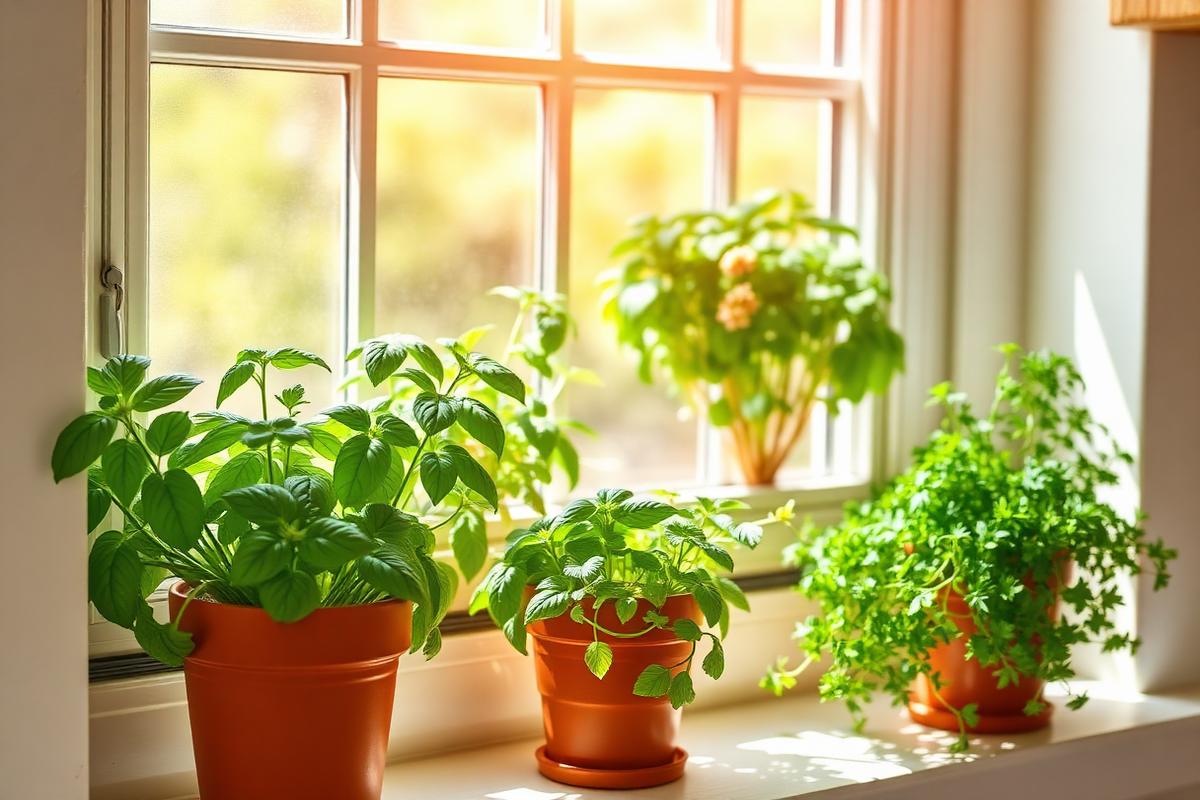
The Foundation: Understanding Your Indoor Edible Garden Ecosystem
Embarking on an indoor edible garden is an exciting endeavor that transforms your living space into a functional, vibrant ecosystem. Unlike outdoor gardening, where nature provides many variables, you become the primary architect of your indoor environment. This control allows for year-round cultivation, free from external climate constraints, but it also necessitates a deep understanding of core horticultural principles adapted for confined spaces.
Your role involves carefully orchestrating light, temperature, humidity, and nutrient delivery to mimic ideal growing conditions for your chosen plants. Consider your available space – a sunny windowsill, a dedicated shelf with grow lights, or even a small hydroponic unit. Each option dictates the scale and variety of what you can successfully cultivate, influencing your initial plant selections and long-term garden planning. Successful indoor edible gardening is less about brute force and more about thoughtful, consistent management of these interconnected elements.
Strategic Plant Selection for Confined Spaces: Maximizing Yield
Choosing the right plants is paramount for a productive indoor edible garden, as not all species thrive under artificial conditions or in limited space. Focus on varieties known for their compact growth habits, quick maturity, and 'cut-and-come-again' harvesting potential. Leafy greens like lettuce (especially loose-leaf varieties such as 'Black Seed Simpson' or 'Buttercrunch'), spinach, kale, and Swiss chard are excellent choices, offering frequent harvests from a single planting.
Herbs are another cornerstone of any successful indoor edible garden. Basil, mint, oregano, thyme, chives, and parsley adapt well to indoor environments and provide continuous culinary benefits. For more ambitious growers, dwarf varieties of fruiting plants such as 'Tiny Tim' or 'Micro Tom' tomatoes, 'Patio Baby' eggplant, or 'Pajama Party' peppers can add exciting variety, though they demand more intense light and precise pollination.
Microgreens, while not technically 'dwarf,' are a superb option for maximizing yield in minimal space. They offer dense nutritional value and rapid turnaround, often being ready for harvest in as little as 7-14 days. Varieties like radish, broccoli, arugula, and peas are particularly vigorous and rewarding, transforming a small tray into a powerhouse of fresh flavor and nutrients with minimal effort.
Illumination and Environment: Crafting the Perfect Growing Conditions
Light is the engine of photosynthesis, making it the most critical environmental factor in an indoor edible garden. While a south-facing window can suffice for some low-light herbs or supplemental light, dedicated grow lights are often necessary for consistent, robust growth, especially for fruiting plants or when natural light is insufficient. Look for full-spectrum LED grow lights that provide both red and blue wavelengths, crucial for vegetative growth and flowering/fruiting.
Beyond light intensity, the photoperiod (duration of light exposure) is also vital. Most edible plants benefit from 12-16 hours of light per day, followed by a period of darkness. An automated timer is indispensable for ensuring this consistency, preventing accidental light stress or insufficient energy production. Position your lights correctly, typically 6-12 inches above the plant canopy, adjusting as plants grow to prevent etiolation (stretching due to insufficient light).
Temperature and humidity also play significant roles. Most common edibles thrive between 65-75°F (18-24°C) during the day, with a slight drop at night. Maintain relative humidity levels between 40-60% for optimal growth and to deter fungal issues. Adequate air circulation, achieved through a small oscillating fan, is essential for strengthening plant stems, aiding in transpiration, and preventing stagnant air-related problems like powdery mildew. This comprehensive approach to environmental control underpins the success of your indoor edible ambitions.
Substrate and Nutrients: Feeding Your Indoor Garden
Choosing the correct growing medium and nutrient delivery system is fundamental to your indoor edible garden's health and productivity. For traditional container gardening, a high-quality, lightweight potting mix designed for indoor use is ideal. This mix should provide excellent drainage, adequate aeration, and sufficient water retention. Avoid using garden soil, as it can compact, harbor pests, and lack the necessary sterile qualities for indoor environments.
For soilless systems, such as hydroponics or aeroponics, inert media like coco coir, rockwool, or perlite provide structural support while allowing precise nutrient control. These methods often lead to faster growth and higher yields, as nutrients are delivered directly to the root zone in an easily absorbed form. However, they require careful monitoring of pH and electrical conductivity (EC) to ensure plants receive a balanced diet.
Regardless of your chosen method, providing a complete, balanced plant-specific nutrient solution is crucial. For potted plants, a liquid fertilizer designed for edibles should be applied at diluted strengths during active growth, often every other watering. For hydroponic systems, specialized mineral nutrient solutions tailored for different growth stages are essential. Always follow manufacturer recommendations and adjust based on plant response, recognizing that over-fertilization can be as detrimental as under-fertilization.
Watering and Advanced Techniques: The Harvest-and-Come-Again Strategy
Proper watering is often the most challenging aspect for new indoor gardeners. Overwatering leads to root rot, while underwatering causes wilting and stress. The 'finger test' remains reliable: insert your finger into the soil up to the first knuckle; if it feels dry, it's time to water. For plants in soilless media, observe the weight of the pot or use moisture meters as guides. Ensure your containers have drainage holes to facilitate proper water flow.
To maximize yields from your indoor edible garden, embrace the 'harvest-and-come-again' strategy. This technique involves harvesting only a portion of the plant at a time, allowing it to regenerate and produce more. For leafy greens, pick the outermost leaves, leaving the inner growth to continue developing. For herbs like basil or mint, pinch off stems just above a leaf node, encouraging bushier growth rather than leggy stems.
Consistent harvesting not only extends the productive life of your plants but also stimulates new growth, preventing them from bolting (going to seed prematurely) or becoming exhausted. With microgreens, a single harvest is typical, but staggered plantings (sowing new seeds every 7-10 days) ensure a continuous supply. For dwarf fruiting plants, hand-pollination using a small brush or cotton swab may be necessary to ensure fruit set indoors where natural pollinators are absent.
Troubleshooting and Continuous Improvement: Sustaining Your Indoor Harvest
Even the most meticulous indoor gardeners will encounter challenges. Yellowing leaves can indicate nutrient deficiencies, overwatering, or insufficient light. Brown crisp edges often point to low humidity or nutrient burn. Small, weak plants usually signal inadequate light or insufficient nutrients. Regularly inspecting your plants for common pests like spider mites, aphids, or fungus gnats is crucial. Early detection allows for non-toxic interventions such as insecticidal soap or neem oil.
Maintaining a clean growing environment is key to preventing disease and pest outbreaks. Remove any dead or decaying plant material promptly, and sanitize your growing equipment between plantings. Learn to 'read' your plants; they communicate their needs through their foliage, growth patterns, and overall vigor. A slight change in leaf color or texture can be an early indicator of an impending issue, allowing you to intervene before it escalates.
Embrace continuous learning and experimentation in your indoor edible garden. Keep a gardening journal to track planting dates, harvest yields, nutrient schedules, and observations about plant health. This documentation will become an invaluable resource, helping you refine your techniques and adapt your approach for future success. With patience and consistent attention, your indoor edible garden will provide a rewarding, year-round source of fresh, homegrown food, transforming your home into a truly verdant hearth.
Key takeaways
- Strategically select plants suited for indoor cultivation, prioritizing space and light requirements.
- Master essential environmental controls: light, temperature, humidity, and airflow for optimal growth.
- Implement efficient watering and nutrient delivery systems tailored to your chosen growing method.
- Understand 'harvest-and-come-again' techniques to maximize yields and ensure continuous production.
- Regularly monitor and adjust your setup to proactively prevent and address common indoor gardening challenges.
Frequently asked questions
What are the easiest edible plants to grow indoors?
Herbs like basil, mint, chives, and parsley, along with loose-leaf lettuces and microgreens, are generally the easiest for beginners due to their compact size and quick harvests.
Do I need special grow lights for an indoor edible garden?
While some herbs might tolerate a bright window, dedicated full-spectrum LED grow lights are highly recommended for robust growth and optimal yields, especially for leafy greens and fruiting plants.
How often should I water my indoor edible plants?
Water when the top inch of soil feels dry to the touch. The frequency depends on plant type, pot size, temperature, and humidity, so always check the soil moisture directly.
Can I grow vegetables like tomatoes or peppers indoors?
Yes, but select dwarf or compact varieties specifically bred for containers, such as 'Micro Tom' tomatoes or 'Patio Baby' eggplant. They require intense light and may need manual pollination.
What is the 'harvest-and-come-again' method?
It's a harvesting technique where you pick outer leaves or small portions of the plant regularly, allowing the inner, newer growth to continue developing, thus extending the plant's productive life.
How do I prevent pests in my indoor edible garden?
Regular inspection, maintaining good air circulation, proper watering, and promptly removing sick plant material are key. If pests appear, use organic solutions like insecticidal soap or neem oil early.
Related articles
More in Edible Indoor Gardens →
Optimizing Water Quality: The Unsung Hero of Indoor Edible Gardens
Often overlooked, the water you provide your indoor edible plants is a foundational element for their health and productivity. Understanding its composition and making necessary adjustments can dramatically elevate your gardening success.

Cultivating Microgreens and Dwarf Fruit: Maximizing Indoor Edible Space
Transform small indoor spaces into prolific edible gardens by mastering the art of cultivating nutrient-dense microgreens and space-saving dwarf fruit trees. Discover how to achieve impressive yields and consistent fresh produce right from your home.

Mastering Soil-Based Indoor Edibles: Cultivating Bountiful Harvests Naturally
While hydroponics garners significant attention in indoor edible gardening, the timeless method of growing in soil offers unparalleled stability, natural nutrient cycling, and robust plant health. Discover how to create a thriving, productive soil-based indoor garden right in your home.

Unlocking Your Indoor Garden's Potential: Precision Growing for Bountiful Edibles
Cultivating edibles indoors offers a rewarding pathway to fresh, nutritious produce year-round. This guide will walk you through the precise horticultural strategies necessary to turn your indoor space into a thriving, productive food garden.

Optimizing Indoor Harvests: Mastering Environmental Control for Edibles
Achieving consistent, high-yield harvests from your indoor edible garden goes beyond basic care; it demands a precise understanding and control of your plant's environment. This guide delves into optimizing crucial environmental factors to transform your indoor growing space.

Optimizing Nutrient Delivery for Your Indoor Edible Garden: A Horticulturist's Guide
Unlocking the full potential of your indoor edible garden hinges on effective nutrient delivery. This comprehensive guide from Dr. Elena Hartwood will empower you to provide precisely what your plants need to thrive and produce bountiful harvests.