Unlocking Plant Potential: Mastering Division for Thriving Indoor Gardens
Plant division offers a powerful method to propagate existing houseplants while simultaneously invigorating their growth and promoting overall health. This horticultural technique is an accessible way to expand your collection and rejuvenate mature specimens.
 By Dr. Elena Hartwood9 min read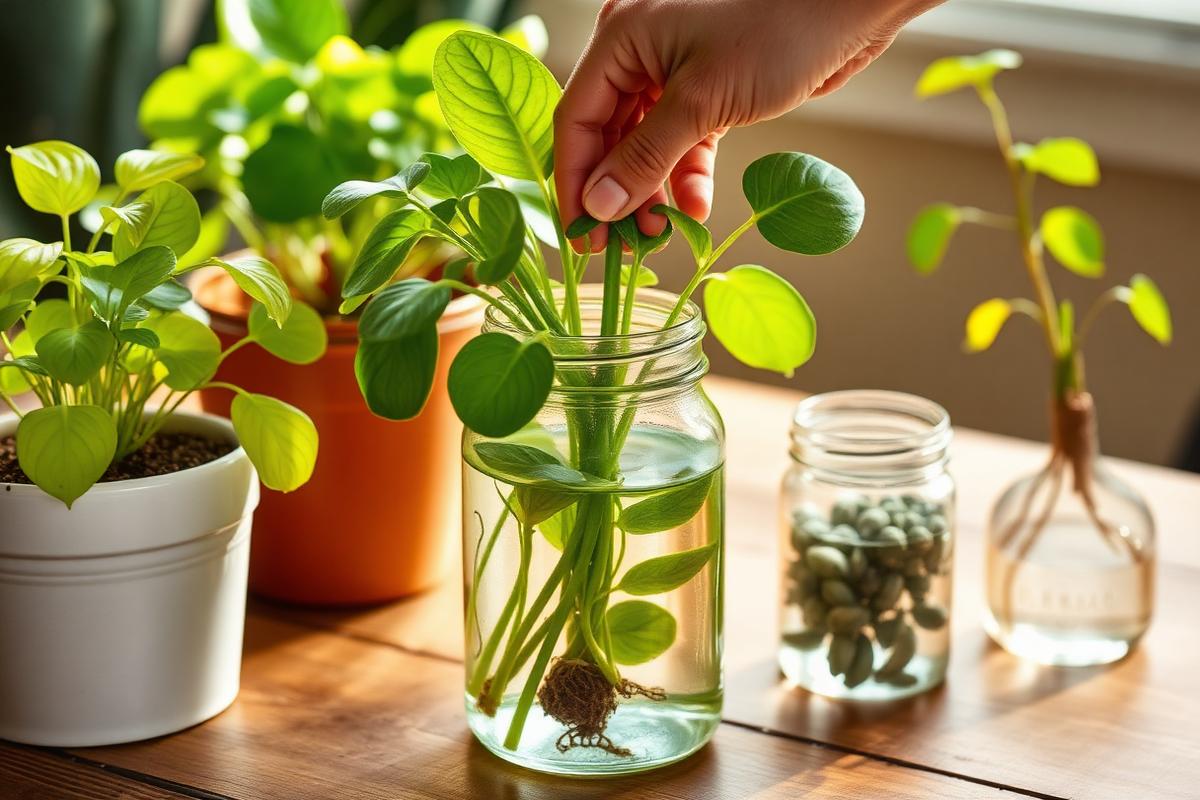
Understanding Plant Division: A Foundation for Growth
Plant division is a horticultural technique where a single plant is separated into two or more smaller plants, each with its own root system and foliage. This method is particularly effective for plants that grow in clumps or have spreading rhizomes, allowing you to multiply your collection without relying on seeds or cuttings.
Beyond propagation, division serves as a vital rejuvenation strategy for mature plants. Over time, many plants can become root-bound, their growth stunted, or their centers may die out. Dividing them not only creates new plants but also revitalizes the parent plant, encouraging fresh growth and improved vigor.
Successful division hinges on understanding your plant's growth habits. Plants that readily form distinct offsets or multiple stems from a central root mass are excellent candidates. Recognizing these characteristics before you begin will significantly improve your chances of success and minimize stress on the plant.
This approach offers several advantages, including faster establishment compared to seed-grown plants and genetic identicality to the parent plant, ensuring desirable traits are preserved. It's a fundamental skill for any indoor gardener looking to expand and maintain a healthy, thriving plant collection.
Identifying Prime Candidates for Division
Not all houseplants are suitable for division; this method is best reserved for those with a clumping or rhizomatous growth habit. Ideal candidates typically exhibit multiple stems emerging from the soil, or they may produce visible offsets or 'pups' around the base of the main plant. These growth patterns indicate a robust root system capable of independent survival after separation.
Common houseplants that thrive with division include Snake Plants (Sansevieria spp.), Prayer Plants (Maranta leuconeura, Calathea spp.), Ferns (e.g., Boston Fern, Maidenhair Fern), Peace Lilies (Spathiphyllum spp.), and certain larger succulent varieties like Aloe. These plants naturally form distinct sections that can be carefully separated.
Conversely, plants with a single central stem, such as Fiddle Leaf Figs (Ficus lyrata) or many Dracaena species, are not suitable for division. Attempting to divide these plants will likely result in severe damage or death. Always research your specific plant's preferred propagation methods before proceeding.
Look for signs that your plant is ready for division, such as being root-bound in its current pot, reduced vigor, or offsets that are large enough to be self-sufficient. A plant that has filled its container with roots and shows signs of slowing growth is often signaling it's time for this rejuvenating process.
Optimal Timing and Essential Tools for Success
The timing of plant division is as crucial as the technique itself. The ideal period is typically during the plant's active growing season, which for most indoor plants means spring or early summer. At this time, plants are naturally more resilient, recover faster from stress, and are better equipped to establish new root systems.
Avoid dividing plants during their dormant period or when they are under environmental stress, such as extreme heat or cold. Dividing a stressed or dormant plant significantly reduces its chances of survival and can lead to prolonged recovery or plant loss. Observe your plant for signs of active growth, like new leaves emerging, before proceeding.
Gathering the right tools beforehand will streamline the process and minimize plant trauma. You will need a clean, sharp knife or pruners for precise cuts, gardening gloves for protection, fresh potting mix suitable for your plant species, and appropriately sized pots for the divisions.
Sterilization of your cutting tools is non-negotiable. Wiping blades with rubbing alcohol (70% isopropyl alcohol) or a 10% bleach solution before and after each plant prevents the transmission of diseases from one plant to another. This simple step can significantly impact the health and successful establishment of your new plants.
Step-by-Step Guide to Effective Plant Division
Begin by carefully removing the parent plant from its pot. Lay it gently on its side and tap the pot to loosen the root ball. If the plant is severely root-bound, you may need to run a knife around the inner edge of the pot to release it. Be gentle to minimize root damage during this initial step.
Once unpotted, gently tease apart the root ball. For plants with distinct offsets or clumps, this may be relatively easy, requiring just gentle pulling. For denser root masses, you may need to use your fingers to carefully untangle roots and identify natural separation points.
If manual separation is difficult, use your sterilized knife or pruners to cut through the root ball. Aim to ensure each new section has a substantial portion of roots and at least one healthy growth point (stem or leaf cluster). Make clean, decisive cuts to minimize damage to the root system.
After division, inspect each new plantlet for any unhealthy or damaged roots, trimming them away with your sterilized tool. Pot each division into its own clean pot filled with fresh, appropriate potting mix. Ensure the plant is nestled securely and at the same depth it was previously growing.
Water the newly potted divisions thoroughly after planting. This helps settle the soil around the roots and provides essential hydration. Place the newly potted plants in a location with indirect light and stable temperatures, avoiding direct sun until they show signs of new growth and establishment.
Post-Division Care: Nurturing Your New Plants
Immediate post-division care is critical for the survival and robust growth of your new plantlets. After potting and initial watering, place the divided plants in a stable environment. A location with bright, indirect light and consistent room temperatures is ideal, protecting them from drafts or sudden temperature fluctuations that can cause stress.
Monitor the moisture levels of the potting mix diligently. While it's important to keep the soil consistently moist, avoid overwatering, which can lead to root rot in a system still establishing itself. Allow the top inch or two of soil to dry out before watering again, adjusting based on environmental conditions and plant type.
Refrain from fertilizing newly divided plants for at least a month, and sometimes longer. The fresh potting mix typically contains enough nutrients to support initial growth, and applying fertilizer too soon can burn fragile new roots. Once new growth is evident, you can gradually resume a diluted feeding schedule.
Be patient during this establishment phase. It can take several weeks for new roots to form and for the plant to exhibit signs of strong new foliage growth. Wilting or a temporary slowdown in growth is common initially as the plant adjusts to its new environment and rebuilds its root system. Consistent observation and gentle care will ensure their success.
Key takeaways
- Plant division is ideal for clump-forming plants with multiple growth points or rhizomes.
- Timing is crucial: divide plants when actively growing, typically in spring or early summer.
- Sterilize tools rigorously to prevent disease transmission to new plant sections.
- Ensure each division has a healthy root system and at least one growth point.
- Proper aftercare, including appropriate watering and light, is essential for establishment.
Frequently asked questions
What kind of plants are best for division?
Clump-forming plants with multiple growth points or rhizomes are ideal, such as Snake Plants, Peace Lilies, many ferns, and Prayer Plants.
When is the best time to divide houseplants?
The best time is during the plant's active growing season, typically spring or early summer, when they can recover most effectively.
What tools do I need for plant division?
You will need a clean, sharp knife or pruners, gardening gloves, fresh potting mix, and appropriately sized pots.
How do I ensure each division survives?
Ensure each separated section has a healthy root system and at least one growth point. Provide appropriate light and consistent moisture without overwatering post-division.
Can I fertilize my newly divided plants?
It is best to avoid fertilizing newly divided plants for at least a month. The fresh potting mix usually contains sufficient nutrients for initial establishment without stressing new roots.
What are the benefits of dividing plants?
Benefits include propagating new plants, rejuvenating mature specimens, improving plant vigor, and preventing root-bound conditions.
Related articles
More in Plant Propagation →
Mastering Plant Multiplication: A Horticulturist's Guide to Propagation Techniques
Curious about expanding your indoor plant collection without buying new specimens? Propagation is the art and science of creating new plants from existing ones, a rewarding skill that brings horticultural satisfaction and lush greenery to your home.

Cultivating New Life: A Horticulturist's Guide to Diverse Propagation
Propagation is the art of creating new plants from existing ones, a fundamental skill for any indoor gardener seeking to expand their collection, share with friends, or simply understand the life cycle of their beloved greenery. This guide will demystify the core techniques, transforming you into a proficient plant parent capable of multiplying your verdant companions.

Cultivating Tomorrow's Garden: A Horticulturist's Guide to Plant Division
Unlock the secret to multiplying your favorite indoor plants and edibles through the straightforward yet effective technique of plant division. This guide provides comprehensive, horticulturist-approved steps to ensure your success.

Unlocking New Growth: Your Complete Guide to Indoor Plant Propagation
Transform your indoor garden into a flourishing oasis by learning the art of plant propagation. This comprehensive guide will equip you with the knowledge to multiply your favorite houseplants and edibles with confidence, ensuring a vibrant and expanding collection.

Multiplying Your Greenery: Advanced Propagation for Robust Indoor Plants
Beyond the basic snip, truly multiplying your indoor plant collection requires a deeper understanding of plant physiology and precise techniques. This guide explores advanced propagation methods to ensure robust, healthy new specimens.

Unlocking Plant Multiplicity: A Horticulturist's Guide to Propagation Techniques
Expanding your indoor plant collection doesn't always require a trip to the nursery. With a fundamental understanding of plant propagation, you can effortlessly multiply your favorite houseplants and edibles, fostering a more abundant and sustainable indoor oasis.