Unlocking Hydroponic Potential: Your Practical Guide to Soilless Success at Home
Welcome to the future of indoor gardening! Hydroponics allows you to grow vibrant, healthy plants without soil, often with faster growth and higher yields. This guide will demystify soilless cultivation, providing you with the knowledge and confidence to embark on your own hydroponic journey.
 By Dr. Elena Hartwood15 min read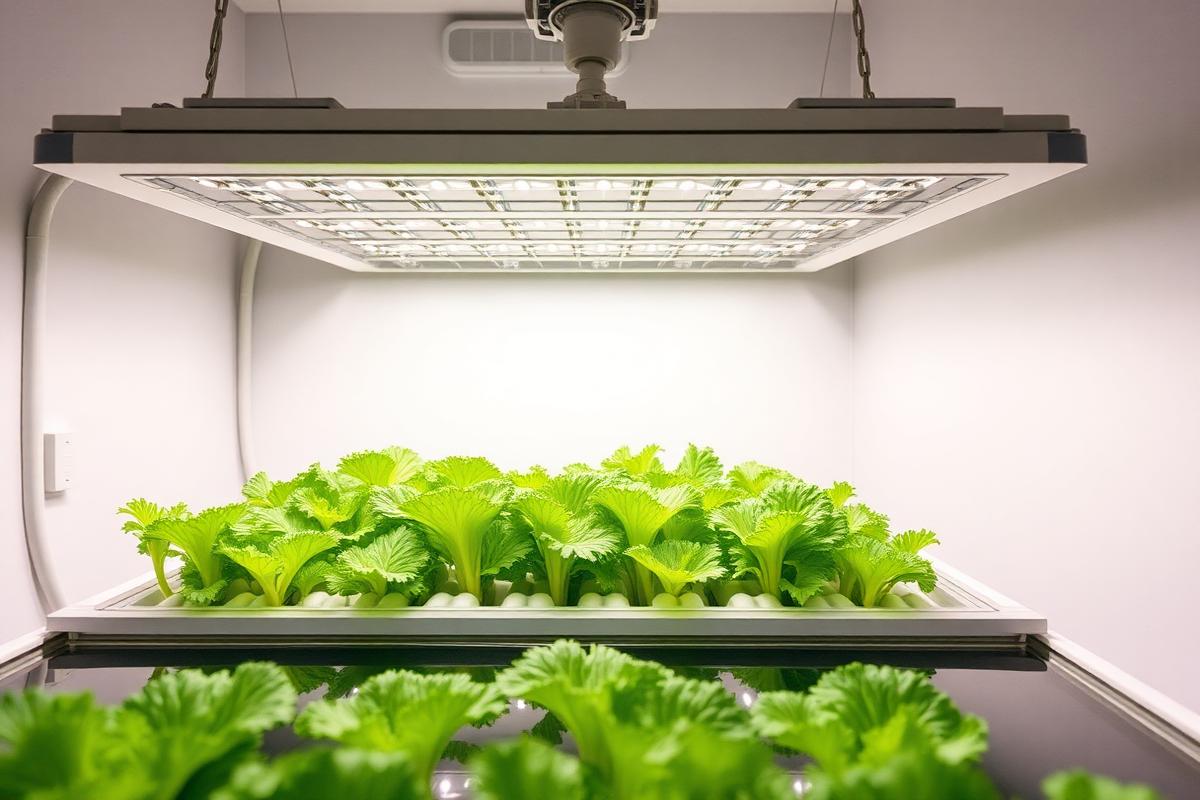
Understanding the Fundamentals of Hydroponics: Beyond the Soil
Hydroponics, at its core, is the art and science of growing plants without soil, utilizing mineral nutrient solutions dissolved in water to deliver essential elements directly to the plant roots. This method eliminates many soil-borne diseases and pests, conserves water, and often leads to significantly faster growth rates and increased yields compared to traditional gardening. The roots are either suspended directly in the nutrient solution, or they are supported by an inert medium like rockwool, coco coir, or perlite.
The magic of hydroponics lies in its precision. Instead of relying on the complex and variable chemistry of soil, you as the grower have direct control over the nutrients, pH, and oxygen levels available to your plants. This level of control allows for optimized feeding schedules tailored to specific plant growth stages and types, leading to more vigorous plants and abundant harvests. It's a highly efficient system that allows plants to put more energy into growth rather than searching for nutrients.
Before diving into specific systems, it's crucial to grasp the two fundamental components: the nutrient solution and the plant's root environment. The nutrient solution must contain all macro and micronutrients in the correct ratios for your chosen plant species. The root environment, whether it's constantly submerged or intermittently watered, must provide adequate oxygen to prevent root rot and ensure healthy nutrient uptake. Understanding these basics forms the bedrock of successful hydroponic cultivation.
Choosing Your Hydroponic System: Matching Method to Your Needs
Selecting the right hydroponic system is a critical first step, and it largely depends on your budget, available space, desired plant types, and level of commitment. For beginners, Deep Water Culture (DWC) is often recommended due to its simplicity and effectiveness. In DWC, plants are suspended with their roots immersed in an oxygenated nutrient solution, typically within a bucket or reservoir, making it excellent for leafy greens and some fruiting plants.
For those seeking a more advanced approach or growing larger plants, systems like Drip Hydroponics or Nutrient Film Technique (NFT) might be more suitable. Drip systems deliver nutrient solution directly to the base of each plant, often through a growing medium, offering great flexibility for various plant sizes. NFT involves a continuous, thin film of nutrient solution flowing over the roots of plants in a sloped channel, ideal for quick-growing, lighter plants like lettuce and herbs.
Ebb and Flow (Flood and Drain) systems are versatile and popular, working by periodically flooding the grow tray with nutrient solution and then draining it back into the reservoir. This method provides excellent root oxygenation and is suitable for a wide range of plants, including those requiring more substantial root systems. Each system has its unique advantages and considerations regarding setup complexity, reservoir size, and specific plant requirements, so research thoroughly before committing.
Another effective option is the Wick System, which is perhaps the simplest and most passive, relying on capillary action to draw nutrient solution from a reservoir up to the plant roots through a wick. While excellent for smaller plants and extremely low maintenance, it's generally less efficient for larger, thirstier species. Aeroponics, representing a more high-tech approach, mists nutrient solution directly onto suspended roots, offering exceptional growth rates but demanding precise equipment and maintenance.
Mastering Nutrient Solutions: The Lifeblood of Your Hydroponic Garden
The nutrient solution is the single most important factor in hydroponics after proper lighting. Unlike soil, which acts as a buffer and reservoir for nutrients, your hydroponic solution must contain all 16 essential elements plants need for growth, in the correct concentrations and ratios. These are typically purchased as multi-part (e.g., two-part or three-part) concentrated formulas that you mix with water according to manufacturer directions, often varying amounts for vegetative and flowering stages.
When preparing your nutrient solution, always use filtered or reverse osmosis (RO) water if your tap water is hard or contains high levels of dissolved solids. Hard water introduces unknown mineral content that can throw off your carefully balanced solution. Mix each nutrient concentrate separately into the water before adding the next, allowing complete dissolution to prevent nutrient lockout or precipitation, which renders nutrients unavailable to plants.
Regularly monitoring and adjusting your nutrient solution is paramount. Over time, plants absorb specific nutrients, altering the solution's balance and concentration. You'll need to replenish lost water due to transpiration and evaporation, and periodically replace the entire reservoir solution (typically every 7-14 days) to prevent nutrient imbalances, pathogen buildup, and pH drift. This routine maintenance ensures a fresh, optimized feeding cycle for continuous plant health.
pH and Electrical Conductivity (EC): Precision Environmental Control
Achieving optimal hydroponic growth hinges on maintaining precise pH and Electrical Conductivity (EC) levels. pH measures the acidity or alkalinity of your nutrient solution, influencing how readily plants can absorb different nutrients. Most plants thrive in a slightly acidic range of 5.5 to 6.5. Deviating too far from this range can lead to nutrient lockout, where nutrients are present but unavailable to the plant, causing deficiencies.
EC, or Electrical Conductivity, measures the total concentration of dissolved salts (nutrients) in your solution. It's a direct indicator of nutrient strength. Too low an EC means insufficient food, leading to stunted growth. Too high an EC can lead to nutrient burn, where the plant roots are damaged by excessive salt concentration, and dehydration as water struggles to move against the osmotic pressure. Monitoring both pH and EC daily or every other day is non-negotiable for successful hydroponics.
To measure pH, you'll need an accurate digital pH meter that is regularly calibrated. Use pH Up or pH Down solutions sparingly to adjust the reading into the target range. For EC, a digital EC meter (often combined with a TDS meter, measuring Total Dissolved Solids) is essential. EC readings are sensitive to temperature, so ensure your meter has temperature compensation or take readings at a consistent solution temperature. Consistent monitoring and small, precise adjustments are key to maintaining a stable and beneficial root environment.
Building Simple Hydroponic Systems for Small Spaces and Dedicated Rooms
Even with limited space, a productive hydroponic garden is entirely achievable. For small apartments, a simple DWC system using a 5-gallon bucket is an excellent starting point. You'll need a bucket, a net pot, a small air pump with an air stone to oxygenate the solution, and an inert growing medium like rockwool to support the seedling. This basic setup can grow a single lettuce head or a few herbs with minimal fuss, fitting snugly in a corner with a modest LED grow light.
Scaling up for a dedicated grow room involves expanding on these principles. For more extensive grows, a larger DWC system using multiple connected totes or an Ebb and Flow system with a dedicated flood table and reservoir can be constructed. These systems require more powerful pumps, timers for flood cycles (in Ebb and Flow), and appropriate lighting solutions to cover a larger canopy area. Consider shelving or vertical racks to maximize space efficiency in a dedicated room.
DIY construction often involves readily available components from local hardware stores or online hydroponic retailers. PVC pipes can be fashioned into NFT channels, plastic storage containers can serve as reservoirs, and even repurposed food-grade containers can be used for smaller applications. The key is ensuring all materials are food-safe, non-reactive, and provide adequate support and light exclusion for your plants and nutrient solution. Attention to detail in construction prevents leaks, promotes hygiene, and ensures system longevity.
For any build, regardless of scale, proper ventilation and air circulation are paramount. In an enclosed space, plants release moisture, increasing humidity. Without proper airflow, this can lead to fungal issues and stress. Installing a small fan for air circulation and, if necessary, an exhaust fan for environmental control, will prevent stagnant air and create a more robust growing environment. Always prioritize safety, especially when working with electricity and water.
Troubleshooting Common Hydroponic Issues: A Proactive Approach
Even with meticulous care, hydroponic gardens can present challenges. One common issue is nutrient deficiencies or toxicities, often manifesting as discolored leaves, stunted growth, or unusual leaf patterns. Regularly cross-referencing plant symptoms with a nutrient deficiency chart can help identify the culprit. The first diagnostic step is always to check and adjust pH and EC to ensure they are within the optimal range, as these are the most frequent causes of nutrient uptake problems.
Root rot is another prevalent problem, typically caused by insufficient oxygen in the nutrient solution or excessively high temperatures, creating an anaerobic environment where detrimental pathogens thrive. Symptoms include brown, slimy roots and wilting leaves despite ample water. To combat this, ensure your air pump is adequately sized and functioning, maintain solution temperatures between 65-72°F (18-22°C), and consider adding beneficial microbes to the reservoir to outcompete harmful organisms.
Algae growth in the reservoir or on growing media indicates light exposure to the nutrient solution. Algae compete with plants for nutrients and oxygen, and a thick bloom can quickly deplete your solution. To prevent this, ensure all reservoirs and system components are completely light-proof. Regularly cleaning your system and replacing the nutrient solution helps to control minor algae issues and maintain overall system hygiene. Proactive monitoring and swift action are your best allies in maintaining a thriving hydroponic garden.
Key takeaways
- Hydroponics offers faster growth and higher yields than traditional soil gardening.
- Understand the core principles of nutrient solutions, pH, and electrical conductivity (EC).
- Choose the right hydroponic system—from simple DWC to advanced NFT or Drip—based on your space and goals.
- Master nutrient management and environmental control for optimal plant health and productivity.
- Learn to identify and troubleshoot common hydroponic issues with precision.
- Practical step-by-step guidance empowers you to build and maintain your own successful hydroponic garden.
Frequently asked questions
What is the biggest advantage of hydroponics over soil gardening?
The biggest advantage is faster growth rates and increased yields due to direct and precise nutrient delivery, coupled with efficient water usage and reduced pest/disease issues.
How often should I change my hydroponic nutrient solution?
It's generally recommended to replace your nutrient solution entirely every 7-14 days to prevent nutrient imbalances and pathogen buildup. Top off with fresh solution (at half strength typically) between changes.
Can I use tap water for my hydroponic system?
You can, but it's often better to use filtered or reverse osmosis (RO) water, especially if your tap water is hard or contains high levels of chlorine/chloramines. Tap water can introduce unwanted minerals and affect pH stability.
What are the essential tools for a hydroponic beginner?
Essential tools include an accurate digital pH meter, an EC/TDS meter, pH Up and pH Down solutions, a good quality air pump and air stone (for DWC), and a reliable grow light.
Do hydroponic plants taste different from soil-grown plants?
While some connoisseurs claim subtle differences, hydroponically grown plants, when properly managed, generally taste identical to their soil-grown counterparts. Flavor is more influenced by cultivar, ripeness, and proper nutrition than by the growing medium itself.
Is hydroponics more expensive to start than soil gardening?
Initial setup costs for hydroponics can be higher due to specialized equipment like pumps, meters, and grow lights. However, long-term operational costs can be offset by faster growth, higher yields, and reduced water consumption.
Related articles
More in Hydroponics & Soilless Growing →
Unlocking Hydroponic Potential: Precision Growing for Bountiful Indoor Yields
Dive into the world of hydroponics and transform your indoor gardening. This comprehensive guide equips you with the knowledge to establish and maintain a thriving soilless garden, optimizing for precision and abundant yields even in small spaces.

Mastering Micro-Hydroponics: Precision Growing for Compact Indoor Spaces
Transform your small indoor spaces into productive gardens with micro-hydroponics. This guide provides an authoritative overview of compact systems, essential nutrient management, and precise environmental monitoring for successful soilless cultivation.

Mastering Home Hydroponics: A Blueprint for Consistent Indoor Harvests
Embarking on a hydroponic journey within your home can transform the way you cultivate edibles, offering unparalleled control and efficiency. This comprehensive guide will equip you with the essential knowledge to establish and maintain a thriving soilless garden, ensuring a steady supply of fresh produce right from your living space.

Demystifying Hydroponics: Your Comprehensive Guide to Soilless Home Gardening
Embark on a journey into the world of hydroponics, a sophisticated method of cultivating plants without soil, using nutrient-rich water. This guide will demystify the science and practicalities, empowering you to grow robust plants in your home.

Unlocking Hydroponics: Your Blueprint for Resilient Home Edible Gardens
Embark on a journey into the world of soilless cultivation. This guide provides a comprehensive blueprint for home growers looking to establish robust and productive hydroponic edible gardens.

Mastering Practical Hydroponics: Systems, Nutrients, and Monitoring for Home Growers
Embarking on your hydroponic journey offers unparalleled control over your plants' growth and health. This comprehensive guide equips you with the fundamental knowledge to successfully cultivate a soilless garden, from choosing the right system to fine-tuning its essential parameters.