Optimizing Indoor Edibles: Strategic Approaches for Abundant Harvests
Cultivating edible plants indoors offers unparalleled access to fresh, healthy produce, regardless of climate or season. This guide will equip you with strategic horticultural approaches to maximize your indoor edible garden's productivity and enjoyment.
 By Dr. Elena Hartwood9 min read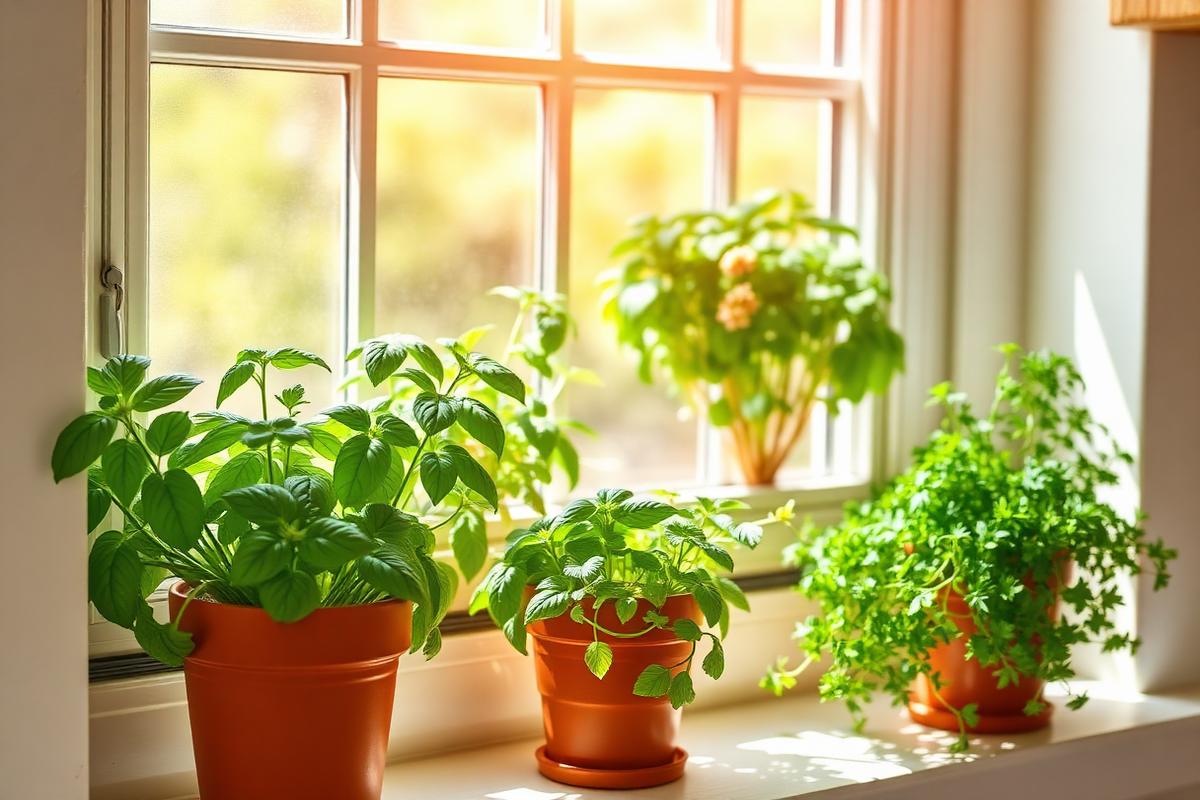
The Foundation: Selecting the Right Indoor Edibles
The success of your indoor edible garden begins with thoughtful plant selection. Not all culinary plants are equally suited to indoor environments, which often present limitations in space, light intensity, and natural air circulation. Prioritize varieties known for their compact growth habit, tolerance to lower light levels (or adaptability to artificial light), and relatively fast maturation times.
Consider herbs such as basil, mint, chives, and parsley, which thrive in bright, indirect light and offer consistent yields. Leafy greens like lettuce (especially loose-leaf varieties), spinach, arugula, and kale are excellent choices for continuous harvesting. For something more substantial, look into miniature tomato varieties, dwarf peppers, or even specific small-fruited strawberries, understanding these will demand more light and precise environmental control.
Microgreens are another category that offers exceptionally quick turnaround and high nutritional value, requiring minimal space and basic lighting. Root vegetables, while possible, typically demand deeper containers and more vigorous light, making them less efficient for general indoor production unless specific conditions are met. Always research the specific light, temperature, and watering needs of your chosen plants before committing.
Optimizing Environmental Controls: Light, Temperature, and Humidity
Light is arguably the most critical environmental factor for indoor edibles. Plants grown indoors rarely receive sufficient natural light, especially during shorter winter days or in northern-facing rooms. Invest in full-spectrum LED grow lights, positioned correctly to provide your plants with the necessary Photosynthetically Active Radiation (PAR). Aim for 12-16 hours of light daily for most herbs and leafy greens; fruiting plants often require 14-18 hours.
Temperature and humidity play equally significant roles in plant metabolism and growth. Most edible plants prefer temperatures between 65-75°F (18-24°C) during the day and a slight drop at night. Avoid extreme fluctuations. Humidity levels should generally be maintained between 40-60% for optimal health and to deter certain pests. Dry air can stress plants and encourage spider mites, while excessive humidity can lead to fungal issues.
Monitoring these parameters is crucial. Use thermometers, hygrometers, and light meters to understand your specific environment. Consider supplemental heating, cooling, or humidifiers/dehumidifiers as needed. Good air circulation, provided by small oscillating fans, mimics outdoor breezes, strengthens plant stems, and helps prevent stagnant air buildup that can foster disease.
Strategic Watering and Nutrient Delivery
Proper watering is an art, not a science, and it’s paramount for productive indoor edibles. Overwatering is a common killer, leading to root rot, while underwatering stunts growth. The frequency and volume of watering depend on the plant species, growth medium, pot size, and environmental conditions. Always check the moisture level of the growing medium before watering, typically by feeling the top inch or two.
When you do water, do so thoroughly until water drains from the bottom of the pot, ensuring the entire root ball is moistened. For soil-based systems, use a well-draining potting mix. For hydroponic or soilless systems, nutrient delivery is through a balanced, soluble fertilizer solution. Understanding the specific NPK ratios and micronutrient needs for each growth stage (vegetative vs. flowering/fruiting) is essential for maximizing yields.
Regular feeding is necessary for indoor edibles as their growing medium provides finite nutrients. Start with a quarter-strength nutrient solution and gradually increase as plants mature, observing their response. Flush your system periodically (especially hydroponic ones) to prevent nutrient salt buildup. pH monitoring of your water and nutrient solution is also critical; most edibles thrive in a slightly acidic to neutral range (5.5-6.5).
Harvest-and-Come-Again Strategies for Continuous Yields
The beauty of many indoor edibles lies in their ability to produce multiple harvests from a single plant. This 'cut-and-come-again' method maximizes productivity and ensures a steady supply of fresh ingredients. For leafy greens like lettuce and spinach, harvest the outer, mature leaves first, allowing the inner leaves to continue growing. Avoid taking more than one-third of the plant at any one time to prevent stressing it.
For herbs like basil, mint, and oregano, pinch back the growing tips just above a leaf node. This encourages branching and bushier growth, resulting in more leaves for harvest rather than allowing the plant to bolt prematurely. Regular, gentle pruning not only provides you with fresh herbs but also invigorates the plant and maintains a desirable shape.
Even for fruiting plants, strategic harvesting is key. Harvest ripe fruits promptly to signal the plant to produce more. Pinch off spent flowers if you are aiming for vegetative growth over seed production, or remove lower, unproductive leaves that may be shading younger growth. Consistent harvesting prevents plants from putting all their energy into a few large fruits or going to seed, thus prolonging their productive life.
Beyond Soil: Exploring Hydroponics and Aquaponics Indoors
While soil-based growing is traditional and accessible, hydroponic and aquaponic systems offer significant advantages for optimizing indoor edible production. Hydroponics, growing plants without soil using nutrient-rich water, can result in faster growth rates and higher yields due to direct nutrient access and oxygenated roots. Common methods suitable for home growers include Deep Water Culture (DWC), Nutrient Film Technique (NFT), and wick systems.
These soilless systems often require specialized equipment, such as inert growing media (rockwool, coco coir, clay pebbles), air stones and air pumps for oxygenation, and precise nutrient formulations. The initial setup cost might be higher, but the long-term benefits in water conservation, reduced pest issues, and accelerated growth can be substantial for serious indoor growers.
Aquaponics takes this a step further by integrating aquaculture (raising fish) with hydroponics. The fish waste provides natural fertilizer for the plants, and the plants, in turn, filter the water for the fish. This creates a symbiotic ecosystem that is highly sustainable and productive, yielding both fresh produce and protein. While more complex to set up and manage, aquaponics represents a compelling frontier for optimized indoor food production, offering a truly self-sustaining cycle.
Key takeaways
- Select appropriate plant varieties optimized for indoor growing conditions.
- Master environmental controls like light, temperature, and humidity for peak plant health.
- Implement strategic pruning and harvesting techniques to encourage continuous production.
- Utilize efficient watering and nutrient delivery methods tailored to your setup.
- Choose the right growing medium and consider hydroponic or aquaponic systems.
- Integrate pest and disease management proactively to protect your yields.
Frequently asked questions
What are the easiest edibles to grow indoors?
Basil, mint, chives, lettuce (loose-leaf varieties), and microgreens are generally considered the easiest due to their relatively quick growth, compact size, and tolerance to indoor conditions.
How much light do indoor edibles need?
Most indoor edibles require 12-16 hours of full-spectrum light daily. Fruiting plants like tomatoes or peppers may need 14-18 hours. A quality LED grow light is almost always necessary for sufficient intensity.
What is the best temperature range for indoor edible plants?
A daytime temperature range of 65-75°F (18-24°C) is ideal for most indoor edible plants, with a slight drop of a few degrees at night. Avoid extreme fluctuations.
How often should I water my indoor edibles?
Water when the top 1-2 inches of soil feel dry to the touch. The frequency depends on the plant, pot size, growing medium, and environmental conditions. Always ensure good drainage.
Can I grow tomatoes indoors?
Yes, but select dwarf or 'bush' varieties specifically bred for containers and indoor growing. They require strong grow lights (14-18 hours), consistent warmth, and specific humidity levels to fruit successfully.
What is 'cut-and-come-again' harvesting?
This technique involves harvesting only a portion of the plant (e.g., outer leaves of lettuce, growing tips of herbs) to encourage continuous growth and multiple subsequent harvests from the same plant, prolonging its productive life.
Related articles
More in Edible Indoor Gardens →
Optimizing Water Quality: The Unsung Hero of Indoor Edible Gardens
Often overlooked, the water you provide your indoor edible plants is a foundational element for their health and productivity. Understanding its composition and making necessary adjustments can dramatically elevate your gardening success.

Cultivating Microgreens and Dwarf Fruit: Maximizing Indoor Edible Space
Transform small indoor spaces into prolific edible gardens by mastering the art of cultivating nutrient-dense microgreens and space-saving dwarf fruit trees. Discover how to achieve impressive yields and consistent fresh produce right from your home.

Mastering Soil-Based Indoor Edibles: Cultivating Bountiful Harvests Naturally
While hydroponics garners significant attention in indoor edible gardening, the timeless method of growing in soil offers unparalleled stability, natural nutrient cycling, and robust plant health. Discover how to create a thriving, productive soil-based indoor garden right in your home.

Unlocking Your Indoor Garden's Potential: Precision Growing for Bountiful Edibles
Cultivating edibles indoors offers a rewarding pathway to fresh, nutritious produce year-round. This guide will walk you through the precise horticultural strategies necessary to turn your indoor space into a thriving, productive food garden.

Optimizing Indoor Harvests: Mastering Environmental Control for Edibles
Achieving consistent, high-yield harvests from your indoor edible garden goes beyond basic care; it demands a precise understanding and control of your plant's environment. This guide delves into optimizing crucial environmental factors to transform your indoor growing space.

Optimizing Nutrient Delivery for Your Indoor Edible Garden: A Horticulturist's Guide
Unlocking the full potential of your indoor edible garden hinges on effective nutrient delivery. This comprehensive guide from Dr. Elena Hartwood will empower you to provide precisely what your plants need to thrive and produce bountiful harvests.