Optimizing Indoor Edibles: Cultivating Consistent Kitchen Abundance
Imagine fresh herbs for every meal, crisp microgreens to elevate dishes, and leafy greens picked just moments before serving. Cultivating an indoor edible garden is not merely a hobby; it is a strategic approach to consistent culinary abundance, right in your own home.
 By Dr. Elena Hartwood9 min read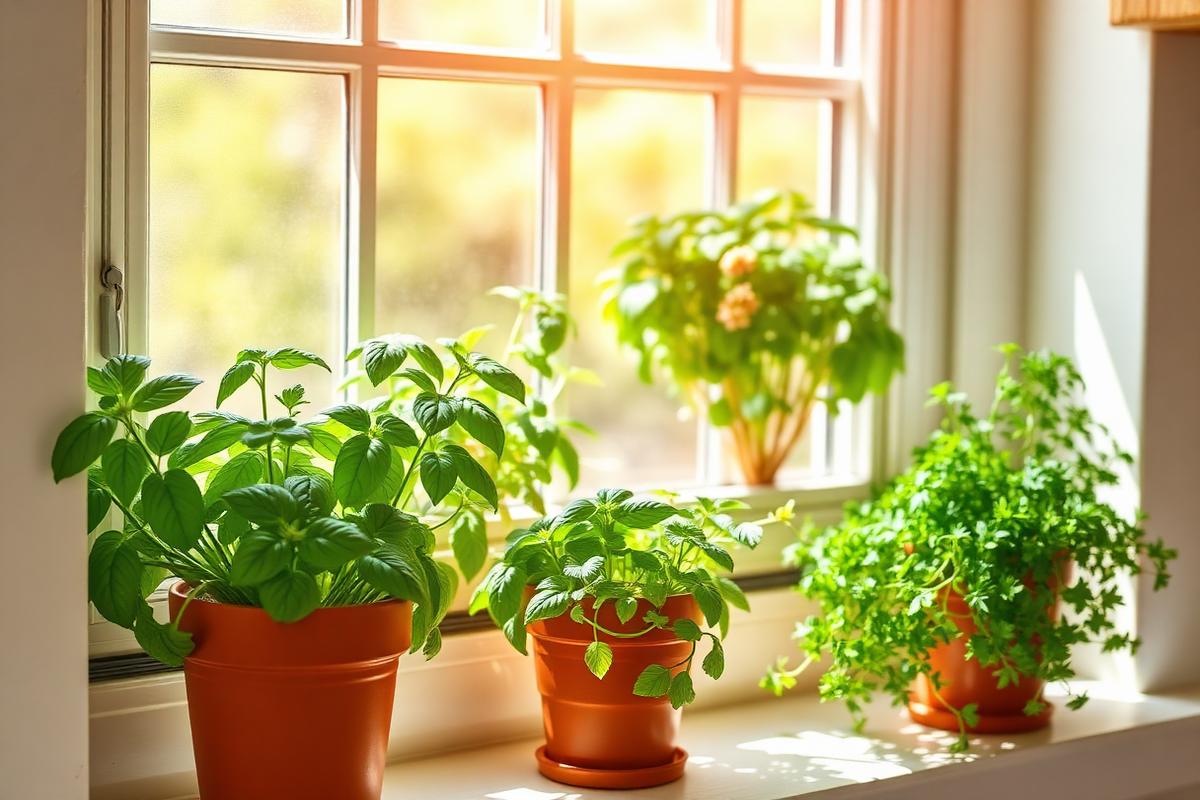
Laying the Groundwork: Strategic Planning for Your Indoor Edible Garden
Embarking on an indoor edible garden journey begins not with planting, but with meticulous planning. Before a single seed is sown or a pot is chosen, you must assess your available resources: light, space, and time. Consider the natural light exposure of your chosen area throughout the day and across seasons. A south-facing window offers the most intense light for herbs and fruiting plants, while an east or west-facing window is sufficient for less demanding leafy greens.
Crucially, you must also define your cultivation goals. Are you aiming for a small countertop herb collection, regular microgreen harvests, or a more ambitious yield of leafy greens through a hydroponic setup? Your aspirations will dictate the scale of your operation and the technologies you employ. Failing to plan effectively can lead to frustration and wasted resources, so take the time to map out your vision and choose crops that align with your environmental parameters.
Beyond light and space, reflect on the time commitment you can realistically dedicate. While an indoor edible garden is less demanding than an outdoor plot, it still requires consistent care. Automated systems can certainly alleviate some of the daily tasks, but daily observation remains a critical component of successful indoor cultivation. Understanding these foundational elements will pave the way for a productive and sustainable home garden.
Finally, research specific cultivars that are well-suited for indoor conditions. Many seed companies now offer compact, dwarf, or 'patio' varieties specifically bred for smaller spaces and container growing. Opting for these will significantly increase your success rates compared to trying to force a large, sprawling outdoor variety into a constrained indoor environment. This thoughtful selection is a cornerstone of maximizing your return on effort and space.
Choosing Your Edible Arsenal: Crops for Consistent Indoor Production
The success of your indoor edible garden hinges largely on your crop selection. For absolute beginners and those with limited space, culinary herbs are an excellent starting point. Basil, mint, chives, parsley, oregano, and rosemary thrive indoors, often tolerating indirect light and providing small, frequent harvests. These plants are relatively forgiving and offer immediate culinary gratification, reinforcing your commitment to the project.
Microgreens represent another high-yield, quick-turnaround option perfect for indoor cultivation. Radish, broccoli, kale, arugula, and mustard greens can be grown from seed to harvest in as little as 7-14 days. These nutrient-dense seedlings require minimal light, often thriving under basic LED shop lights, and are ideal for continuous batch planting to ensure a fresh supply for salads and garnishes. Their rapid growth cycle means you are never far from a fresh crop.
Moving to larger yields, leafy greens like lettuce, spinach, and Swiss chard are excellent candidates for more dedicated indoor setups, especially hydroponic or aeroponic systems. These plants respond well to consistent water and nutrient delivery, and many varieties are bred for compact growth. Prioritize loose-leaf varieties for 'cut-and-come-again' harvesting, as they will regenerate prolifically after partial defoliation.
If you are seeking a more ambitious challenge, dwarf citrus varieties such as Meyer lemons or Key limes can be grown indoors, provided you can supply sufficient light and maintain proper humidity. These plants require bright, direct light (often necessitating supplemental grow lights) and careful attention to pollination and feeding. While their yield may be lower than outdoor counterparts, the experience of harvesting fresh citrus from your living room is incredibly rewarding.
Optimizing Your Medium: Soil, Hydroponics, and Nutrient Delivery
Whether you choose traditional soil or soilless methods, understanding your growing medium and nutrient delivery is critical for plant health. For soil-based gardening, a high-quality, well-draining potting mix is non-negotiable. Avoid using garden soil indoors, as it can compact, harbor pests, and lack the necessary aeration for container plants. Amend your potting mix with perlite or coco coir to improve drainage and air circulation around the roots.
Hydroponic systems, such as Deep Water Culture (DWC), Nutrient Film Technique (NFT), or wick systems, offer numerous advantages for indoor edibles, including faster growth rates and more efficient water and nutrient use. These systems eliminate soil and diseases associated with it, providing a sterile environment. However, they require careful monitoring of pH and electrical conductivity (EC) to ensure optimal nutrient absorption.
Nutrient solutions are the lifeblood of both soil-grown plants (via fertilization) and hydroponic systems. For soil, a balanced liquid fertilizer applied at half-strength every 2-4 weeks during active growth is usually sufficient. In hydroponics, a complete, carefully balanced nutrient solution formulated for vegetables is essential, diluted according to the manufacturer's specifications and regularly replenished.
Regular monitoring of your medium is paramount. For soil, assess moisture levels by feeling the top inch of soil; water when it feels dry. For hydroponic reservoirs, checking pH and EC daily or every other day allows you to make precise adjustments that directly impact plant vitality and nutrient uptake. Consistent medium management directly translates to robust plant growth and abundant harvests.
The Power of Light: Harnessing Illumination for Bountiful Yields
Light is the single most critical factor for successful indoor edible gardening, driving photosynthesis and plant growth. Natural light, even from a sunny window, is often insufficient for robust edible production, particularly during shorter winter days. Supplemental grow lights are almost always necessary to achieve satisfactory yields, especially for fruiting plants or continuously productive leafy greens.
When selecting grow lights, focus on full-spectrum LED fixtures. These are energy-efficient, produce minimal heat, and emit a balanced light spectrum that mimics natural sunlight, promoting both vegetative growth and flowering/fruiting. Look for lights specifically designed for plant growth, often indicated by terms like "full-spectrum" or "grow light." Avoid generic household LEDs for primary light sources, as their spectrum is not optimized for plants.
Proper light placement and duration are equally important. Most indoor edibles require 12-16 hours of light per day, followed by a period of darkness for respiration. Use a timer to ensure consistency. Position your grow lights close enough to the plants to provide adequate intensity without causing heat stress – generally 6-12 inches above the canopy, depending on the light's power and plant species.
Observe your plants closely for signs of insufficient or excessive light. Stretched, pale, or leggy growth indicates too little light, prompting you to lower your light fixture or increase duration. Scorched leaves or bleached foliage suggest the light is too intense or too close. Understanding and responding to these cues ensures your plants are receiving the optimal amount of photosynthetic energy for maximum productivity.
Harvest-and-Come-Again: Strategies for Continuous Yields
The hallmark of a truly productive indoor edible garden is its ability to provide continuous harvests, rather than a single, one-off yield. This is achieved through the 'harvest-and-come-again' strategy, a method of selective harvesting that encourages plants to produce new growth. For leafy greens like lettuce, spinach, and kale, simply snip the outer leaves near the base, leaving the inner leaves to continue growing.
Herbs, such as basil, mint, and cilantro, respond well to strategic pinching and pruning. Instead of plucking single leaves, pinch off the top set of leaves just above a node (where a new set of leaves emerges). This encourages the plant to branch out, resulting in a bushier plant with more harvestable material. Regular trimming also prevents herbs from flowering prematurely, which can diminish leaf flavor.
For microgreens, the 'harvest-and-come-again' principle is slightly different. While most microgreens are a one-and-done harvest, you can stagger your plantings. Start a new tray of seeds every 3-7 days to ensure a constant supply. This batch-planting method guarantees that as one tray is harvested, another is always nearing maturity, providing an uninterrupted stream of fresh greens.
Even with dwarf fruiting plants, thoughtful harvesting can extend production. Pick fruits as they ripen, which signals to the plant to produce more. Regularly inspect plants for pests and diseases, and address them promptly to maintain plant vigor. By consistently applying these harvesting and maintenance principles, you can transform your indoor garden into a reliable source of fresh edibles throughout the year.
Maintaining Health and Vitality: Environmental Control and Pest Prevention
A thriving indoor edible garden relies heavily on creating and maintaining an optimal environment. Beyond light, temperature and humidity play crucial roles. Most edibles prefer temperatures between 65-75°F (18-24°C) during the day, with a slight drop at night. Use a thermometer to monitor your space and adjust accordingly. High humidity (50-70%) is beneficial for many leafy greens and herbs, and can be maintained with a humidifier or pebble trays.
Good air circulation is paramount to prevent fungal diseases and strengthen plant stems. A small oscillating fan directed to gently circulate air around your plants can reduce stagnant air pockets and deter pests. However, avoid direct, strong drafts that could stress plants or dry them out too quickly. Consistent airflow mimics natural outdoor conditions and supports vigorous growth.
Preventative pest management is always easier than eradication. Regularly inspect your plants, especially the undersides of leaves, for any signs of insects like aphids, spider mites, or fungus gnats. Introduce beneficial insects if feasible, such as ladybugs for aphid control in a contained environment, or use sticky traps to monitor for flying pests.
Should pests become an issue, opt for organic, non-toxic solutions to protect your edibles. Horticultural oils, insecticidal soaps, or neem oil sprays can effectively manage most common indoor pests without leaving harmful residues. Always ensure any treatment is suitable for edible plants and follow application instructions precisely to keep your harvest safe for consumption.
Key takeaways
- Strategic planning is crucial for maximizing indoor edible yields.
- Selecting appropriate crops for your space and light conditions is paramount.
- Understanding soil, water, and nutrient delivery optimizes plant health.
- Implementing 'harvest-and-come-again' techniques ensures continuous production.
- Integrated pest management and environmental control prevent setbacks.
- Even small spaces can yield significant culinary returns with the right approach.
Frequently asked questions
What are the easiest edible plants to grow indoors?
Basil, mint, chives, lettuce, and microgreens are generally considered the easiest edibles to grow indoors due to their relatively simple light and care requirements.
How much light do indoor edible plants need?
Most indoor edible plants require 12-16 hours of bright, full-spectrum light daily. Natural window light is often insufficient, so supplemental LED grow lights are highly recommended.
Can I grow vegetables like tomatoes or peppers indoors?
Yes, but it's more challenging. You'll need very specific dwarf varieties, intense full-spectrum grow lights, consistent temperatures, and often manual pollination to ensure fruit set.
What is 'harvest-and-come-again' harvesting?
This technique involves selectively harvesting the outer or larger leaves of a plant, or pinching back growing tips, to encourage continuous new growth rather than a single, full harvest.
Do I need special soil for indoor edibles?
Yes, use a high-quality, well-draining potting mix specifically formulated for containers. Garden soil is too dense for indoor pots and can introduce pests and diseases.
How can I prevent pests in my indoor edible garden?
Regular plant inspection, good air circulation, proper watering to avoid over-wet conditions, and sterile growing media are key preventative measures. Sticky traps can monitor for early signs of pests.
Related articles
More in Edible Indoor Gardens →
Optimizing Water Quality: The Unsung Hero of Indoor Edible Gardens
Often overlooked, the water you provide your indoor edible plants is a foundational element for their health and productivity. Understanding its composition and making necessary adjustments can dramatically elevate your gardening success.

Cultivating Microgreens and Dwarf Fruit: Maximizing Indoor Edible Space
Transform small indoor spaces into prolific edible gardens by mastering the art of cultivating nutrient-dense microgreens and space-saving dwarf fruit trees. Discover how to achieve impressive yields and consistent fresh produce right from your home.

Mastering Soil-Based Indoor Edibles: Cultivating Bountiful Harvests Naturally
While hydroponics garners significant attention in indoor edible gardening, the timeless method of growing in soil offers unparalleled stability, natural nutrient cycling, and robust plant health. Discover how to create a thriving, productive soil-based indoor garden right in your home.

Unlocking Your Indoor Garden's Potential: Precision Growing for Bountiful Edibles
Cultivating edibles indoors offers a rewarding pathway to fresh, nutritious produce year-round. This guide will walk you through the precise horticultural strategies necessary to turn your indoor space into a thriving, productive food garden.

Optimizing Indoor Harvests: Mastering Environmental Control for Edibles
Achieving consistent, high-yield harvests from your indoor edible garden goes beyond basic care; it demands a precise understanding and control of your plant's environment. This guide delves into optimizing crucial environmental factors to transform your indoor growing space.

Optimizing Nutrient Delivery for Your Indoor Edible Garden: A Horticulturist's Guide
Unlocking the full potential of your indoor edible garden hinges on effective nutrient delivery. This comprehensive guide from Dr. Elena Hartwood will empower you to provide precisely what your plants need to thrive and produce bountiful harvests.