Mastering Stolons & Plantlets: Asexual Propagation for Thriving Houseplants
Beyond typical cuttings, many beloved houseplants offer a natural, efficient path to propagation through specialized structures like stolons and plantlets. This guide will illuminate how you can leverage these inherent growth mechanisms to multiply your collection, ensuring genetic fidelity and robust new plants.
 By Dr. Elena Hartwood9 min read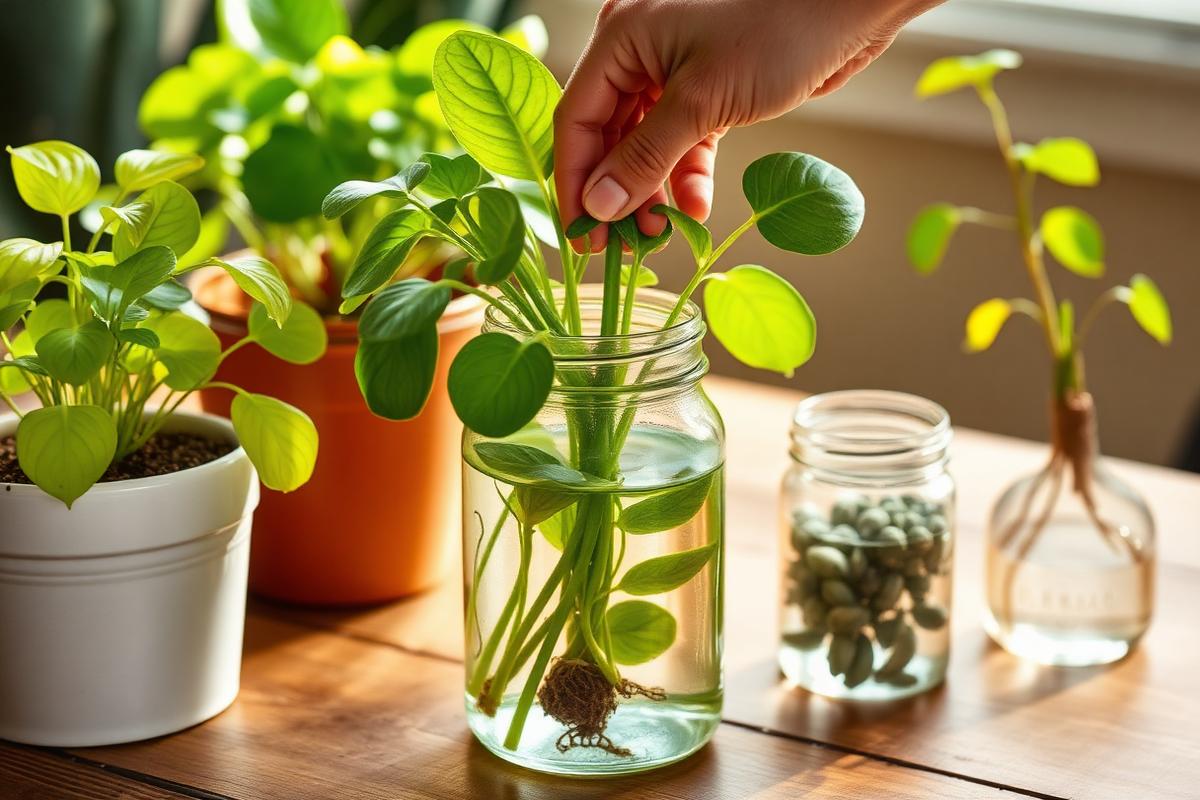
Understanding Stolons and Plantlets in Houseplant Propagation
In the sphere of indoor gardening, understanding various propagation methods is key to expanding your collection and sharing your passion. While many are familiar with stem or leaf cuttings, stolons and plantlets represent a distinct and often simpler form of asexual reproduction. A stalon, often referred to as a "runner," is a specialized horizontal stem that grows along or just below the soil surface, sending out roots and new shoots at its nodes. Plantlets, conversely, are miniature, fully formed plants that develop directly on the parent plant, typically at the end of a stolon or along a leaf margin.
The primary advantage of propagating via stolons and plantlets is the genetic exactitude. These new plants are clones of the parent, ensuring the continuation of desirable traits like variegation, growth habit, and disease resistance. This method often results in faster establishment compared to seed starting, as the plantlets already possess developed leaves and often nascent root systems. For popular houseplants like the Spider Plant (Chlorophytum comosum) and the Strawberry Begonia (Saxifraga stolonifera), these specialized structures are their natural, prolific means of reproduction, making them ideal candidates for this propagation technique.
Identifying Suitable Plants and Structures
Before embarking on propagation, it is crucial to accurately identify plants that reproduce effectively via stolons or plantlets. The quintessential example is the Spider Plant, which is renowned for producing numerous 'spiderettes' or plantlets that dangle from its mature foliage on arching stolons. Another excellent candidate is the Strawberry Begonia, which sends out long, slender red stolons that root at the nodes to form new plants, resembling miniature strawberries on runners. Mother of Thousands (Kalanchoe daigremontiana) and certain ferns also produce abundant plantlets along leaf margins.
When inspecting your plant, look for clearly defined miniature plants that have developed their own small leaves and, ideally, visible aerial root nubs. For stolons, ensure the runner is sufficiently long and robust to support the developing plantlet. Avoid harvesting underdeveloped plantlets or those that appear weak or discolored, as these are less likely to root successfully. Patience is a virtue; allow the plantlets to mature slightly on the parent plant to maximize their chances of survival and vigorous growth once separated.
The Initial Setup: Preparing for Propagation
Successful propagation begins with proper preparation. Gather your tools: sharp, sterilized scissors or a clean, sharp knife, small pots (2-4 inches in diameter are often sufficient), and a high-quality, well-draining potting mix. A mixture of peat moss or coco coir, perlite, and a small amount of vermiculite provides an ideal balance of moisture retention and aeration for developing roots. Sterilizing your cutting tools with rubbing alcohol prevents the transfer of pathogens that could jeopardize your new plants.
Ensure your parent plant is healthy and well-hydrated before you begin. Stressing a parent plant by propagating when it is already struggling can lead to poor outcomes for both the parent and the young offsets. Pre-moisten your potting mix so it is damp but not waterlogged, creating a welcoming environment for the nascent roots. Place your prepared pots and potting mix within easy reach of your parent plant to streamline the process.
Step-by-Step Propagation: Separation and Rooting
There are two primary methods for rooting stolons and plantlets: direct rooting while still attached to the parent, or complete detachment before rooting. For the former, gently nestle a small pot filled with moist potting mix directly beneath a matured plantlet still attached to its runner. Secure the plantlet onto the soil surface, ensuring any aerial roots make contact, perhaps with a paperclip or small stone. The plantlet will continue to receive nutrients from the parent while it establishes its own root system. Once well-rooted (typically 2-4 weeks), sever the runner from the parent plant.
Alternatively, for complete detachment, use your sterilized scissors to carefully cut the plantlet from the parent plant, leaving a small stub of the stolon (about half an inch) attached to the plantlet. Plant this separated plantlet directly into a small pot filled with moist potting mix, ensuring the base where roots will emerge is in contact with the soil. Gently firm the soil around the base. Place the newly potted plantlet in a location with bright, indirect light and maintain consistent moisture in the potting mix, avoiding overwatering. You can also root detached plantlets in water, but transition to soil once roots are about an inch long for optimal long-term growth.
Post-Propagation Care: Nurturing Your New Plants
After propagation, your young plantlets require attentive care to ensure successful establishment. Maintain consistent humidity around the new plants, especially if you opted for detached propagation. A humidity dome or even a clear plastic bag placed loosely over the pot can help prevent desiccation during the critical rooting phase. Provide bright, indirect light, avoiding direct, intense sunlight which can scorch tender new leaves. Monitor soil moisture daily, watering when the top inch of soil feels dry to the touch.
During the first few weeks, avoid fertilizing, as the tender root systems are susceptible to chemical burn. Once new growth is evident and the plantlet shows signs of strong root development (e.g., resistance when gently tugged, roots appearing through drainage holes), you can begin a very dilute feeding regimen, perhaps at one-quarter strength of your usual houseplant fertilizer. Gradually increase light exposure and reduce humidity protection as the plantlet matures and demonstrates robust, independent growth. These careful steps will pave the way for a healthy, thriving new addition to your indoor garden.
Key takeaways
- Stolons and plantlets are natural asexual plant reproductive structures.
- This method yields genetically identical clones of the parent plant.
- Commonly propagated plants include Spider Plants and Strawberry Begonias.
- Successful propagation involves careful separation and appropriate rooting mediums.
- Monitor new plantlets for signs of establishment and healthy growth.
- Timing and proper technique are crucial for minimizing stress and maximizing success.
Frequently asked questions
What is the primary benefit of propagating with stolons and plantlets?
The primary benefit is that the new plants are genetically identical clones of the parent, ensuring all desirable traits, such as variegation or flower color, are faithfully reproduced.
Which popular houseplants can be propagated using stolons or plantlets?
Common houseplants include Spider Plants (Chlorophytum comosum), Strawberry Begonias (Saxifraga stolonifera), and various Kalanchoe species like Mother of Thousands.
Should I root plantlets in water or soil?
Both methods are viable. Water rooting allows you to observe root development, but plantlets must be transitioned to soil. Direct soil rooting often leads to stronger, more established plants in the long run, and is generally preferred by horticulturists for long-term health.
How long does it take for plantlets to root?
Rooting time varies by plant species and environmental conditions, but typically takes 2 to 4 weeks for visible root development in both water and soil. Full establishment can take longer.
Can I propagate underdeveloped plantlets?
While technically possible, it is not recommended. Underdeveloped plantlets have lower success rates and may result in weaker plants. Allow plantlets to mature slightly on the parent for best results, ideally having at least 3-4 leaves and some aerial roots.
What kind of potting mix is best for rooting plantlets?
A well-draining, light potting mix is ideal. A common blend includes peat moss or coco coir for moisture retention, mixed with perlite or vermiculite for aeration to prevent root rot.
Related articles
More in Plant Propagation →
Mastering Plant Multiplication: A Horticulturist's Guide to Propagation Beyond Cuttings
Ready to expand your indoor plant collection or share your green thumb's bounty? Moving beyond simple stem cuttings, mastering various propagation techniques empowers you to multiply your favorite plants with confidence and precision.

Mastering Plant Multiplication: A Horticulturist's Guide to Propagation Techniques
Curious about expanding your indoor plant collection without buying new specimens? Propagation is the art and science of creating new plants from existing ones, a rewarding skill that brings horticultural satisfaction and lush greenery to your home.

Cultivating New Life: A Horticulturist's Guide to Diverse Propagation
Propagation is the art of creating new plants from existing ones, a fundamental skill for any indoor gardener seeking to expand their collection, share with friends, or simply understand the life cycle of their beloved greenery. This guide will demystify the core techniques, transforming you into a proficient plant parent capable of multiplying your verdant companions.

Cultivating Tomorrow's Garden: A Horticulturist's Guide to Plant Division
Unlock the secret to multiplying your favorite indoor plants and edibles through the straightforward yet effective technique of plant division. This guide provides comprehensive, horticulturist-approved steps to ensure your success.

Unlocking New Growth: Your Complete Guide to Indoor Plant Propagation
Transform your indoor garden into a flourishing oasis by learning the art of plant propagation. This comprehensive guide will equip you with the knowledge to multiply your favorite houseplants and edibles with confidence, ensuring a vibrant and expanding collection.

Multiplying Your Greenery: Advanced Propagation for Robust Indoor Plants
Beyond the basic snip, truly multiplying your indoor plant collection requires a deeper understanding of plant physiology and precise techniques. This guide explores advanced propagation methods to ensure robust, healthy new specimens.