Mastering Stem Cuttings: Propagating Your Favorite Indoor Plants with Precision
Unlocking the secret to expanding your indoor plant collection often begins with a simple, yet incredibly effective technique: stem cuttings. This method allows you to replicate your favorite plants, sharing their beauty or simply growing more for yourself, with remarkable success when approached systematically.
 By Dr. Elena Hartwood9 min read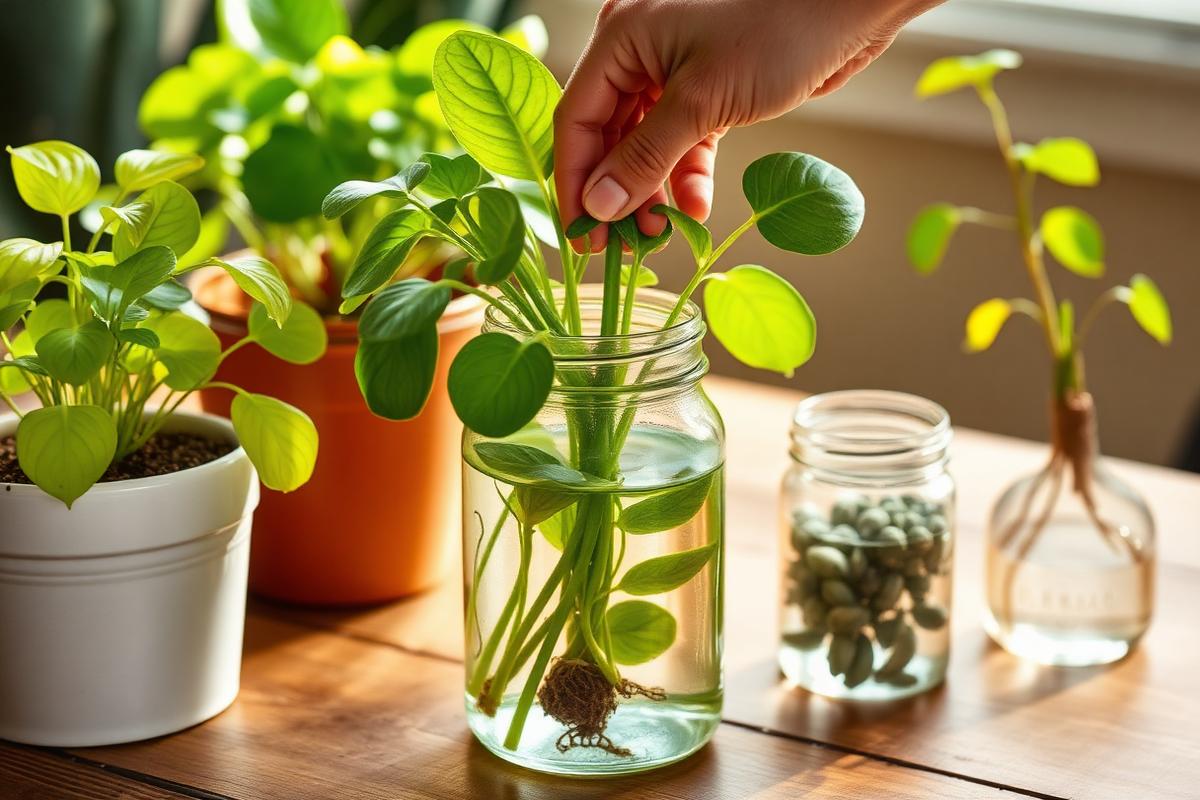
The Fundamental Science of Stem Cuttings
Stem cuttings are a cornerstone of vegetative propagation, a technique that involves taking a piece of a parent plant and encouraging it to form new roots and shoots, thus creating a genetically identical clone. This method capitalizes on the plant's inherent totipotency, the ability of its cells to differentiate and develop into a complete new organism, bypassing the genetic variability associated with seed reproduction. Understanding this fundamental biological capacity allows us to strategically initiate new plant growth from a fragment of an existing one.
The success of stem cuttings hinges on several critical physiological processes. Specifically, meristematic cells, often found in nodes (where leaves attach) or cambium layers, are stimulated to produce adventitious roots. These roots develop from tissues that are not typically involved in root formation, a remarkable adaptation that plants use for asexual reproduction in nature. Our role as horticulturists is to optimize the conditions that encourage this natural process, ensuring a high rate of successful rooting and establishment of new plants.
Unlike propagation via seeds, which introduces genetic variation through sexual reproduction, stem cuttings guarantee an exact replica of the mother plant. This is particularly advantageous when you want to preserve specific desirable traits, such as unique variegation, flower color, or growth habit, that might not be reliably passed on through seeds. It also offers a faster route to mature plants compared to growing from seed, as the cutting already possesses a degree of developed tissue.
The precision involved in selecting the right cutting, preparing it correctly, and providing the optimal environment directly influences the outcome. Factors such as the age of the parent plant, the health of the stem, the exact location of the cut, and the ambient conditions all play significant roles. Approaching stem cuttings with an understanding of these principles elevates the process from a casual attempt to a consistently successful horticultural practice.
Optimal Stem Section Selection and Preparation
The first and most crucial step in successful stem propagation is selecting the right stem section. You should always choose healthy, vigorous stems that are free from pests, diseases, or any signs of stress. Avoid overly woody sections, as these often have a lower rooting potential, and similarly, avoid new, very soft growth that may be prone to rot. The ideal stem will be semi-hardwood, exhibiting a balance of maturity and active growth.
When making your cut, precision and sterility are paramount. Use a sharp, sterilized knife or pruning shears to make a clean cut, minimizing cellular damage. A ragged cut can invite pathogens and inhibit root formation. For most houseplants, a stem cutting should be 4-6 inches long, containing at least 2-3 nodes. The nodes are critical, as they contain the meristematic cells that will differentiate into roots.
Immediately below a node is typically the best place to make the bottom cut, as this area is often rich in rooting hormones. Remove any leaves from the bottom inch or two of the cutting to prevent them from rotting in the rooting medium, which could lead to fungal or bacterial issues. Additionally, reducing the overall leaf surface area can lessen transpirational stress on the cutting, as it lacks roots to absorb water.
For some plants, especially those with thicker stems, making a vertical slit (about 1/2 inch) upwards from the bottom cut can expose more cambium tissue, potentially accelerating root development. This technique is often used for plants that are notoriously slow or difficult to root. Always ensure your tools are disinfected between cuts, especially if working with multiple plants, to prevent the spread of potential diseases.
Choosing Your Rooting Medium: Water, Soil, or Substrate?
Once your stem cutting is prepared, the next decision is the rooting medium. Each medium offers distinct advantages and disadvantages, and the best choice often depends on the specific plant species and your environmental conditions. Water propagation is popular for its simplicity and the visual satisfaction of watching roots develop. Simply place the defoliated end of the cutting into a clear container of reverse osmosis or distilled water, ensuring at least one node is submerged.
While aesthetically pleasing, water-rooted cuttings sometimes struggle when transitioning to soil, as the roots developed in water are physiologically different from those formed in a solid substrate. To mitigate this, change the water every 2-3 days to prevent anaerobic conditions and replenish oxygen. Plants like Pothos, Philodendron, and many Hoyas root readily in water, making it a good starting point for beginners.
Rooting directly in a substrate such as a light, well-draining potting mix, perlite, sphagnum moss, or a coco coir-perlite blend often produces stronger, more adaptable roots. This method provides more stable nutrient availability (if using a fertilized mix) and better aeration around the developing roots. When using soil or a soil-less mix, ensure it is consistently moist but never waterlogged, as excessive moisture can lead to rot.
Perlite or sphagnum moss offer excellent aeration and moisture retention without compaction, reducing the risk of rot while providing a supportive structure for root growth. Sphagnum moss, in particular, has mild antiseptic properties that can inhibit fungal development. Whichever medium you choose, placing a plastic dome or bag over the cutting can help maintain high humidity, which is crucial for preventing desiccation while roots are forming.
Optimizing Environmental Conditions for Rooting Success
Beyond the cutting itself and the chosen medium, the ambient environmental conditions significantly influence rooting success. Temperature plays a critical role; most cuttings root best in warmer conditions, typically between 70-75°F (21-24°C). Cooler temperatures can slow down metabolic processes and root formation, while excessively high temperatures can promote desiccation or rot. A propagation mat can provide consistent bottom heat, stimulating root growth.
Humidity is another vital factor. Without an established root system, cuttings are highly susceptible to drying out. Maintaining high ambient humidity, ideally above 70%, reduces transpirational demand and allows the cutting to focus its energy on root development. This can be achieved using a clear plastic dome, a humidity tray, or a dedicated propagation chamber. Misting the leaves periodically can also offer temporary relief, though it's less effective than consistent ambient humidity.
Light requirements for cuttings are different from established plants. While they need light for photosynthesis, direct, intense sunlight can be detrimental, causing stress and desiccation. Bright, indirect light is ideal. A north-facing window or a location a few feet away from a grow light is often suitable. Excessive light can also raise the temperature, which again, can lead to drying out of the fragile cutting.
Air circulation is also important to prevent fungal issues. While high humidity is desired, stagnant, humid air creates a breeding ground for pathogens. If using a propagation dome or bag, ensure there are small vents or periodically open it for a few minutes to allow fresh air exchange. Striking the right balance between humidity and air movement is key to preventing problems while encouraging robust root development.
Harnessing the Power of Rooting Hormones
Rooting hormones can significantly increase the success rate and speed of root formation, particularly for plants that are more challenging to propagate. These products typically contain synthetic auxins, plant hormones that naturally regulate cell division and elongation, which are crucial for root initiation. Available in powder, gel, or liquid forms, rooting hormones are applied to the freshly cut end of the stem before planting.
When using powdered hormones, lightly moisten the cut end of the stem with water, then dip it into the powder, ensuring an even coating. Tap off any excess to prevent over-application, which can sometimes inhibit rooting rather than promote it. For gel or liquid forms, simply dip the cutting as instructed. Always follow the manufacturer's directions for application rates and methods, as concentrations can vary.
While rooting hormones can be highly beneficial, they are not a universal requirement. Many common houseplants, such as Pothos, Tradescantia, and many types of Philodendron, will root successfully without any hormonal assistance. However, for woody stems, plants known for slower rooting, or when attempting to propagate a rare or valuable specimen, rooting hormones can provide a distinct advantage.
It's important to remember that rooting hormones are an aid, not a magic solution. They enhance the plant's natural ability to root, but they cannot compensate for poor cutting selection, unsuitable environmental conditions, or improper care. Combining the strategic use of rooting hormones with optimal cultivation practices will yield the best propagation results.
Transitioning and Ongoing Care for New Cuttings
Once your cutting has developed a healthy root system—typically 1-2 inches long and branched—it's ready to be transitioned. For water-rooted cuttings, this involves moving them to a solid medium. Introduce them gradually to a light, well-draining potting mix. It is crucial to choose a small pot initially, proportionate to the root ball, as too large a pot can retain excessive moisture and lead to rot. Remember that roots formed in water can be more shock-prone.
When potting a newly rooted cutting, handle the fragile roots with extreme care to avoid damage. Create a small depression in the potting mix, gently place the roots, and backfill, lightly tamping the soil around the base to ensure good root-to-soil contact. Water thoroughly after potting to settle the soil and eliminate air pockets. For the first few weeks, maintain slightly higher humidity and stable temperatures to help the plant acclimate.
For cuttings rooted directly in a solid medium, observe for new leaf growth as an indicator of successful root establishment. Once you see active top growth, the cutting is well on its way. Continue to provide consistent moisture, bright indirect light, and appropriate humidity. Avoid fertilizing immediately, as the delicate new roots can be sensitive to concentrated salts; wait until the plant shows robust new growth.
The period immediately following successful rooting and potting is a critical acclimation phase. Avoid drastic changes in environment, such as moving it into direct sunlight or significantly reducing humidity too quickly. Gradually reduce humidity over a week or two, and slowly introduce the plant to its permanent growing conditions. Patience and consistent monitoring during this transition will ensure your new plant thrives.
Key takeaways
- Select healthy, actively growing stems free of pests and disease for best propagation success.
- Utilize sharp, sterilized tools to make clean cuts, minimizing damage and infection risk.
- Understand the specific needs of your plant for nodal placement and leaf removal.
- Choose the appropriate rooting medium (water, soil, perlite, sphagnum moss) based on plant type.
- Maintain consistent environmental conditions, including warmth and humidity, during the rooting phase.
- Transition newly rooted cuttings gradually to avoid shock and ensure robust growth.
Frequently asked questions
What is the best type of stem to take for a cutting?
The best type of stem is typically a semi-hardwood cutting, meaning it's not too soft and new, nor too old and woody. It should be healthy, vigorous, and free from pests or disease.
How long does it take for stem cuttings to root?
Rooting time varies significantly by plant species, environmental conditions, and the use of rooting hormones. It can range from a few weeks for fast-rooting plants like Pothos to several months for more challenging ones.
Do I need rooting hormone for all stem cuttings?
No, rooting hormone is not always necessary. Many common houseplants root readily in water or soil without it. However, it can significantly improve success rates and accelerate rooting for more difficult plants or woody stems.
Why are my stem cuttings rotting?
Rotting is often caused by excessive moisture, leading to fungal or bacterial growth. Ensure your rooting medium is well-draining, avoid overwatering, and ensure good air circulation, especially in high humidity environments.
When should I transplant a water-rooted cutting to soil?
Transplant water-rooted cuttings once they have developed a healthy root system, typically when roots are 1-2 inches long and have started to branch. This provides enough root mass to help the plant establish in soil.
Can I propagate a stem cutting without a node?
Generally, no. Nodes are crucial as they contain specialized meristematic cells capable of producing adventitious roots. Cuttings without at least one node are highly unlikely to root and develop into a new plant.
Related articles
More in Plant Propagation →
Mastering Plant Multiplication: A Horticulturist's Guide to Propagation Beyond Cuttings
Ready to expand your indoor plant collection or share your green thumb's bounty? Moving beyond simple stem cuttings, mastering various propagation techniques empowers you to multiply your favorite plants with confidence and precision.

Mastering Plant Multiplication: A Horticulturist's Guide to Propagation Techniques
Curious about expanding your indoor plant collection without buying new specimens? Propagation is the art and science of creating new plants from existing ones, a rewarding skill that brings horticultural satisfaction and lush greenery to your home.

Cultivating New Life: A Horticulturist's Guide to Diverse Propagation
Propagation is the art of creating new plants from existing ones, a fundamental skill for any indoor gardener seeking to expand their collection, share with friends, or simply understand the life cycle of their beloved greenery. This guide will demystify the core techniques, transforming you into a proficient plant parent capable of multiplying your verdant companions.

Cultivating Tomorrow's Garden: A Horticulturist's Guide to Plant Division
Unlock the secret to multiplying your favorite indoor plants and edibles through the straightforward yet effective technique of plant division. This guide provides comprehensive, horticulturist-approved steps to ensure your success.

Unlocking New Growth: Your Complete Guide to Indoor Plant Propagation
Transform your indoor garden into a flourishing oasis by learning the art of plant propagation. This comprehensive guide will equip you with the knowledge to multiply your favorite houseplants and edibles with confidence, ensuring a vibrant and expanding collection.

Multiplying Your Greenery: Advanced Propagation for Robust Indoor Plants
Beyond the basic snip, truly multiplying your indoor plant collection requires a deeper understanding of plant physiology and precise techniques. This guide explores advanced propagation methods to ensure robust, healthy new specimens.