Mastering Practical Hydroponics: Your Comprehensive Guide to Soilless Success
Embark on an exciting journey into the world of practical hydroponics. This comprehensive guide equips you with the knowledge to cultivate vibrant, productive plants without soil, transforming your indoor space into a verdant oasis.
 By Dr. Elena Hartwood9 min read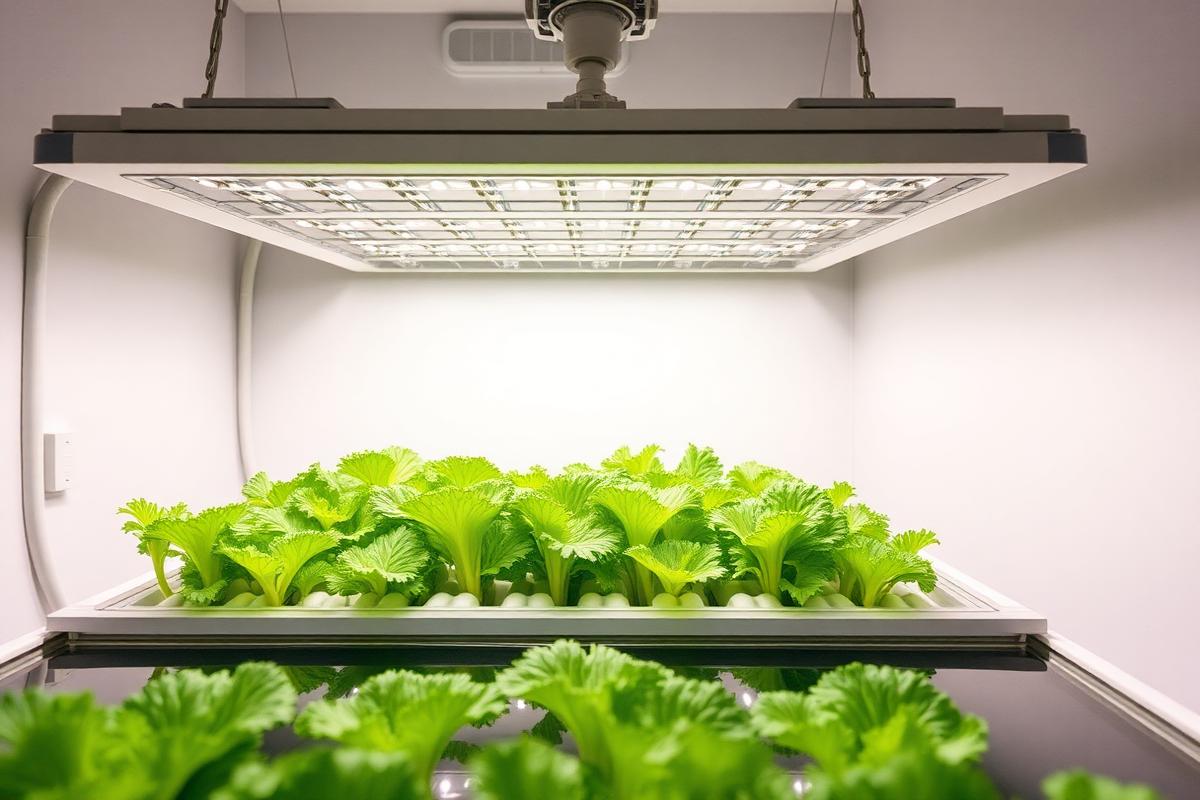
Understanding the Fundamentals of Practical Hydroponics
Practical hydroponics refers to the technique of growing plants without soil, using mineral nutrient solutions dissolved in water. This method provides the roots with direct access to essential minerals, circumventing many soil-borne diseases and pests, and often leading to faster growth rates and increased yields. The fundamental principle is to supply precisely what the plant needs, when it needs it, in a highly bioavailable form.
Unlike traditional soil gardening, hydroponics offers unparalleled control over a plant's growing environment. You dictate the exact nutrient profile, ensuring optimal availability of macro and micronutrients. This precision allows for fine-tuning the growing conditions to maximize plant health, vigor, and productivity, from leafy greens in a small apartment to fruiting plants in a dedicated grow room.
The benefits extend beyond mere growth. Hydroponic systems typically use significantly less water than traditional soil-based agriculture because water is recirculated and reused, minimizing evaporation and runoff. This efficiency makes it an environmentally conscious choice, particularly in areas with water scarcity. Furthermore, the absence of soil eliminates the mess and many common issues associated with potting mixes, simplifying the gardening process.
Navigating Hydroponic Systems: Which is Right for You?
Choosing the appropriate hydroponic system is a critical first step, as different methods suit various plant types, space constraints, and experience levels. Deep Water Culture (DWC) is a popular beginner-friendly option where plant roots are submerged in a nutrient solution, typically aerated by an air pump and air stone. It's excellent for leafy greens and some fruiting plants, offering simplicity and robust growth.
Nutrient Film Technique (NFT) involves a shallow stream of nutrient solution flowing over the roots, providing essential moisture and nutrients while ensuring ample oxygenation. This system is highly efficient for fast-growing, shallow-rooted plants like lettuce, spinach, and herbs. Its modular design makes it scalable, fitting well in both small apartment setups and larger grow rooms.
Ebb and Flow (Flood and Drain) systems work by periodically flooding the growing tray with nutrient solution and then draining it back into a reservoir. This cycles oxygen and nutrients to the roots, promoting vigorous growth. It's versatile, accommodating a wider range of plants and growing media, making it suitable for more diverse indoor gardens. Consider your available space and the plants you wish to cultivate before committing to a system.
Drip systems deliver nutrient solution directly to the base of each plant through small emitters, often utilizing a timed pump. This method is highly efficient for larger, slower-growing plants like tomatoes and peppers, and for those requiring more controlled watering cycles. It's adaptable and can be scaled for various operations, integrating well with inert growing media such as rockwool or coco coir.
The Science of Nutrient Management: Feeding Your Hydroponic Plants
Optimal nutrient management is the cornerstone of successful hydroponic growing. Plants require a balanced array of macro and micronutrients for healthy development. Macronutrients like nitrogen (N), phosphorus (P), and potassium (K) are needed in larger quantities for vegetative growth, flowering, and fruiting. Micronutrients such as iron, manganese, and zinc are crucial in smaller amounts for various metabolic processes.
Always use hydroponic-specific nutrient solutions, as these are formulated to be complete and water-soluble, unlike soil fertilizers. Follow the manufacturer's recommended dosages as a starting point, but be prepared to adjust based on your plant's specific needs and growth stage. Over-fertilization can be as detrimental as under-fertilization, leading to nutrient burn or deficiencies.
Many growers utilize a two-part or three-part nutrient system, which allows for greater flexibility in tailoring the solution to different plant life cycles – vegetative growth, flowering, and fruiting. Understanding the role of each element and observing your plants for signs of deficiencies or excesses will enable you to fine-tune your nutrient regimen over time, fostering robust and productive growth.
Mastering pH and Electrical Conductivity (EC) for Optimal Growth
pH and Electrical Conductivity (EC) are two critical parameters that dictate the success of your hydroponic garden. pH measures the acidity or alkalinity of your nutrient solution, directly influencing the availability of nutrients to your plants. Most plants thrive in a slightly acidic range, typically between 5.5 and 6.5. A pH outside this optimal range can lock out essential nutrients, even if they are present in the solution, leading to deficiencies.
Regularly monitor your pH using a reliable pH meter or test kit. If your pH deviates, use pH up or pH down solutions formulated for hydroponics to adjust it gradually. Small, consistent adjustments are better than large, abrupt changes, as plants can experience shock. Aim to check pH daily, especially in recirculating systems, as plants naturally alter the solution's pH as they consume nutrients.
Electrical Conductivity (EC), also known as Parts Per Million (PPM) or Total Dissolved Solids (TDS), measures the concentration of dissolved mineral salts in your nutrient solution. It's an indicator of how much 'food' your plants are receiving. Different plants and growth stages require varying EC levels; seedlings and young plants typically prefer lower EC, while mature, fruiting plants require a higher concentration.
An EC meter is indispensable for precise nutrient management. Monitor your EC daily and replenish your reservoir with fresh nutrient solution when the EC drops, indicating plants are actively consuming nutrients. If the EC rises, it suggests plants are consuming more water than nutrients, and you may need to dilute the solution with plain, pH-adjusted water. Consistency in both pH and EC ensures your plants receive a balanced diet and flourish.
Step-by-Step: Building a Small Apartment Hydroponic System
For a small apartment, a compact Deep Water Culture (DWC) or a simple Kratky system is an excellent starting point. Let’s focus on a DWC setup for leafy greens. You'll need a opaque reservoir (e.g., a dark-colored storage tote, 5-gallon bucket), net pots (3-6 inch), an air pump, an air stone, air tubing, rockwool cubes or other inert growing media, a hydroponic nutrient solution, pH test kit/meter, and pH up/down solutions.
Begin by cleaning your reservoir thoroughly. Drill holes in the lid of your reservoir to snugly fit your net pots. The number and spacing depend on the size of your reservoir and the plants you intend to grow. For leafy greens, spacing them about 6-8 inches apart is usually adequate. Ensure the reservoir is light-proof to prevent algae growth, which competes with plants for nutrients.
Prepare your nutrient solution according to the manufacturer's directions, using filtered or reverse osmosis water if possible. Fill your reservoir, leaving a 1-inch air gap between the bottom of the net pots and the solution level to allow for initial oxygen exchange and prevent root rot in young plants. Adjust the pH to the optimal range (5.8-6.2 for most leafy greens) and measure the EC.
Place your seedlings or rooted cuttings, secured in rockwool cubes or preferred media, into the net pots. Ensure they are stable. Submerge the air stone into the nutrient solution and connect it to the air pump. Turn on the pump; you should see gentle bubbling. Position your grow light approximately 6-12 inches above your plants, depending on its intensity. Monitor pH and EC daily, replenish water as needed, and refresh the nutrient solution weekly or bi-weekly.
Scaling Up: Designing a Hydroponic Grow Room
For those with more space and ambition, a dedicated hydroponic grow room offers the potential for year-round, high-yield production. Here, you can integrate more sophisticated systems like Nutrient Film Technique (NFT) or Ebb and Flow, and cultivate a wider variety of plants, including larger fruiting varieties. The initial investment in equipment will be higher, but the scalability and control are significantly enhanced.
Key considerations for a grow room include environmental control: ventilation for air circulation and temperature regulation (exhaust fans, intake fans), humidity control (dehumidifiers or humidifiers), and powerful grow lights appropriate for the plant's light requirements (e.g., LEDs, HPS). Proper insulation and light-proofing are vital to maintain a stable environment and prevent light pollution.
Consider the layout of your systems to maximize space and efficiency. NFT channels can be stacked vertically or arranged in rows, while Ebb and Flow tables provide an excellent surface for multiple plants in larger containers. Plumbing design for recirculating systems should facilitate easy cleaning and maintenance, with accessible pumps, tubing, and reservoirs. Plan for future expansion, both in terms of system capacity and plant variety.
Automating aspects such as nutrient solution delivery, pH monitoring, and environmental controls significantly reduces daily labor and provides greater consistency. Timers for lights and pumps are standard, but advanced controllers can manage CO2 enrichment, temperature, humidity, and even nutrient dosing. This level of precision allows for optimized growing conditions, leading to superior yields and plant health.
Troubleshooting Common Hydroponic Challenges
Despite its advantages, hydroponics can present challenges. Nutrient deficiencies or toxicities are often the first signs of trouble, manifesting as discolored or distorted leaves. Regularly refer to plant deficiency charts and correlate symptoms with your pH and EC readings. If your pH is off, nutrient lockout is likely the cause; if your EC is too low, under-feeding, or too high, nutrient burn, may be occurring. Adjust your solution accordingly.
Algae growth is another common issue, especially in systems with light exposure to the nutrient solution. Algae compete for nutrients and oxygen, depriving your plants. Ensure all reservoirs, tubing, and media are opaque. Regular cleaning of your system and maintaining proper water temperatures (ideally below 72°F or 22°C) will deter algae development. A reservoir cover and occasional dilution can help manage minor outbreaks.
Root rot, often characterized by brown, slimy, and foul-smelling roots, is typically caused by insufficient oxygen or excessively high water temperatures. Ensure your air pump is strong enough for your system volume and that air stones are adequately aerating the solution, especially in DWC. Lowering water temperature with chillers or passive cooling can prevent root rot. Trim affected roots and consider using beneficial microbes to aid recovery.
Pest and disease management in hydroponics is often simpler than in soil, as soil is a primary vector. However, pests like spider mites or thrips can still find their way in. Regular inspection of your plants is crucial. Implement integrated pest management (IPM) strategies, including biological controls or organic pesticides, in a targeted manner. Maintaining good air circulation and sanitation practices helps prevent most issues.
Key takeaways
- Hydroponics offers significant advantages: accelerated growth, higher yields, and efficient resource use.
- Selecting the right hydroponic system depends on your specific needs, plant types, and available space.
- Precise nutrient management and careful monitoring of pH and Electrical Conductivity (EC) are crucial for success.
- DIY hydroponic systems are accessible and can be tailored for various indoor environments.
- Consistent observation and proactive adjustments are key to maintaining a healthy and productive hydroponic garden.
Frequently asked questions
What are the primary advantages of practical hydroponics over traditional soil gardening?
Hydroponics offers faster plant growth, higher yields, significant water savings through recirculation, reduced pest and disease issues stemming from soil, and greater control over nutrient delivery and environmental factors.
What is the ideal pH range for most hydroponic plants?
The ideal pH range for most hydroponic plants is between 5.5 and 6.5. This slightly acidic range ensures optimal availability and absorption of essential nutrients by the plant's roots.
How often should I change my hydroponic nutrient solution?
For most introductory hydroponic systems, it is recommended to change the entire nutrient solution in the reservoir every 7 to 14 days. This prevents nutrient imbalances, pH drift, and the buildup of undesirable compounds.
What does an EC meter measure, and why is it important in hydroponics?
An EC meter measures Electrical Conductivity, indicating the total concentration of dissolved mineral salts (nutrients) in the solution. It's crucial for monitoring if your plants are receiving adequate nutrition: too low means underfeeding, too high means potential nutrient burn.
Can I grow any plant hydroponically?
While technically many plants can be grown hydroponically, some are better suited than others for home systems. Leafy greens, herbs, certain fruiting plants (tomatoes, peppers, strawberries) and many flowers thrive, whereas large root vegetables like potatoes are generally less practical due to space and system requirements.
Is hydroponics more expensive to start than soil gardening?
Initial setup costs for hydroponics can be higher than basic soil gardening, involving pumps, reservoirs, nets pots, and specific nutrients. However, long-term operational costs can be offset by faster growth, increased yields, and efficient resource use, especially for continuous cultivation.
Related articles
More in Hydroponics & Soilless Growing →
Unlocking Hydroponic Potential: Precision Growing for Bountiful Indoor Yields
Dive into the world of hydroponics and transform your indoor gardening. This comprehensive guide equips you with the knowledge to establish and maintain a thriving soilless garden, optimizing for precision and abundant yields even in small spaces.

Mastering Micro-Hydroponics: Precision Growing for Compact Indoor Spaces
Transform your small indoor spaces into productive gardens with micro-hydroponics. This guide provides an authoritative overview of compact systems, essential nutrient management, and precise environmental monitoring for successful soilless cultivation.

Mastering Home Hydroponics: A Blueprint for Consistent Indoor Harvests
Embarking on a hydroponic journey within your home can transform the way you cultivate edibles, offering unparalleled control and efficiency. This comprehensive guide will equip you with the essential knowledge to establish and maintain a thriving soilless garden, ensuring a steady supply of fresh produce right from your living space.

Demystifying Hydroponics: Your Comprehensive Guide to Soilless Home Gardening
Embark on a journey into the world of hydroponics, a sophisticated method of cultivating plants without soil, using nutrient-rich water. This guide will demystify the science and practicalities, empowering you to grow robust plants in your home.

Unlocking Hydroponics: Your Blueprint for Resilient Home Edible Gardens
Embark on a journey into the world of soilless cultivation. This guide provides a comprehensive blueprint for home growers looking to establish robust and productive hydroponic edible gardens.

Mastering Practical Hydroponics: Systems, Nutrients, and Monitoring for Home Growers
Embarking on your hydroponic journey offers unparalleled control over your plants' growth and health. This comprehensive guide equips you with the fundamental knowledge to successfully cultivate a soilless garden, from choosing the right system to fine-tuning its essential parameters.