How Often to Water Indoor Plants: A Horticulturist's Complete Guide
Watering is the single biggest reason houseplants die — almost always from too much, not too little. Here is the framework professional growers actually use.

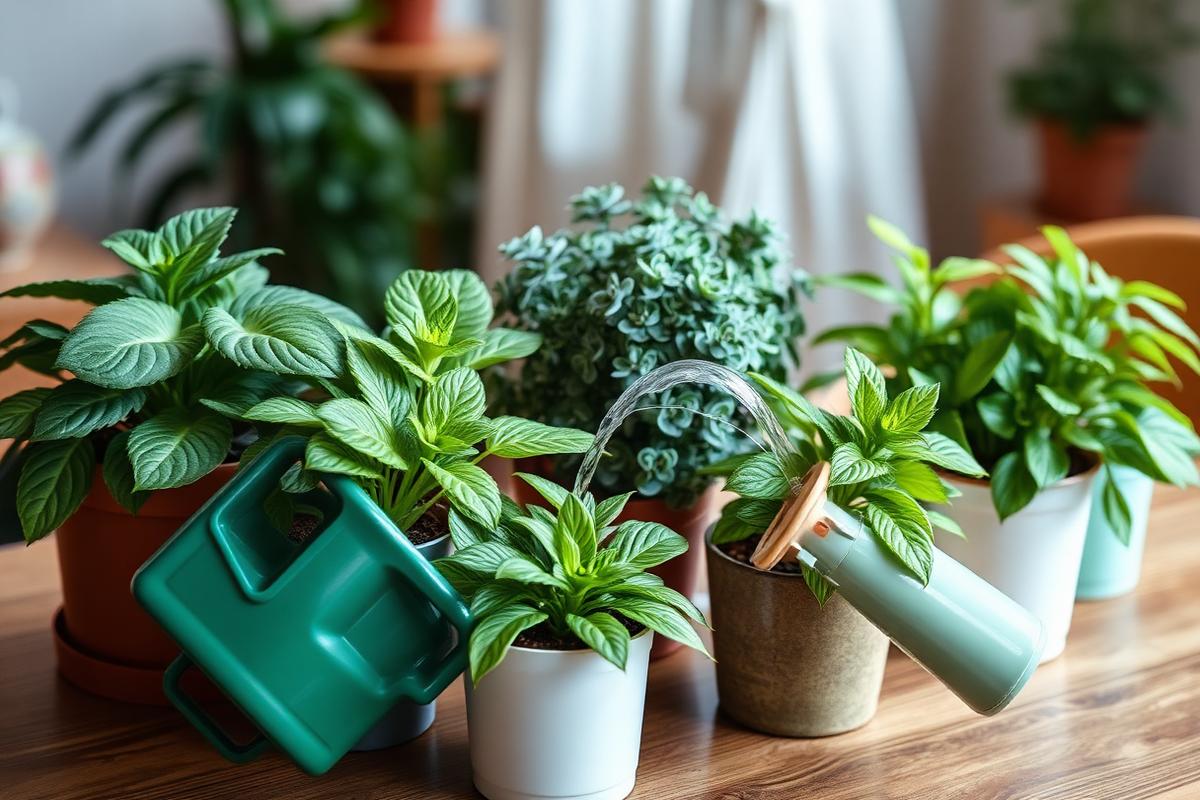
Why a fixed watering schedule almost always fails
If you ask ten new plant owners what killed their last houseplant, eight of them will describe symptoms of root rot — drooping leaves, mushy stems, a sour smell from the pot — but blame underwatering. Watering on a fixed calendar ("every Sunday") ignores the variables that actually move the dial: light, pot size, soil mix, humidity, and the plant's growth stage.
Professional growers don't water on a schedule. They water on a signal. The plant and the soil tell you when they are ready; your job is to learn the signals and respond.
The four variables that decide watering frequency
Light is the strongest driver. A pothos on a bright east windowsill might dry out in four days. The same plant three metres from a north window can stay damp for two weeks. More photosynthesis means more transpiration, which means more water leaving the pot.
Pot size and material matter more than people expect. A 10 cm terracotta pot in a sunny room may need water every two to three days; a 25 cm glazed ceramic pot of the same plant may need it every ten. Terracotta breathes; plastic and glaze do not.
Soil mix sets how much water the pot can even hold. A dense peat-heavy supermarket mix stays wet for days. A chunky aroid mix with perlite, bark, and pumice drains in minutes and rewets quickly. If you keep killing plants from rot, change the mix before you change your habit.
Season changes everything. Most houseplants slow down between October and February in temperate climates; watering frequency in winter is often half of summer's. Don't keep watering at June's pace in December.
The knuckle test — and when to ignore it
For most foliage houseplants (pothos, philodendron, monstera, ficus, dracaena, calathea, snake plant, ZZ), push a clean finger into the soil to the second knuckle, about 2–3 cm. If it comes out dry and the pot feels light, water thoroughly. If it comes out cool and damp, wait.
There are exceptions. Ferns and Fittonia want consistently moist soil — water as soon as the surface dries. Succulents and cacti want the entire pot bone-dry; wait two to three days after the soil is dry before watering. Orchids in bark want a weekly soak regardless of finger feel, because bark releases moisture too quickly to read with skin.
How to water properly when you do water
Water deeply and let the excess drain. Pour slowly until water runs from the drainage hole, wait a minute, then pour again. This rinses accumulated salts from fertilizers and ensures the entire root ball — not just the top — is hydrated.
Never let a pot sit in standing water for more than 30 minutes. Empty the saucer. This single habit prevents the majority of root-rot deaths.
Bottom watering — placing the pot in a tray of water for 20–30 minutes — works beautifully for plants prone to crown rot (African violets, cyclamen, succulents) and for any plant whose soil has become hydrophobic and is shedding water off the surface.
Signs you are overwatering vs. underwatering
Overwatering: yellowing lower leaves, soft mushy stems, fungus gnats, a sour smell from the soil, leaves dropping while still green. The soil stays wet for more than a week.
Underwatering: crispy brown leaf tips and edges, leaves curling inward, the pot is noticeably light, soil pulling away from the pot wall. The plant perks up quickly after a thorough soak.
When in doubt, err dry. A wilted but otherwise healthy plant usually recovers within hours of watering. A rotting plant rarely recovers at all.
Key takeaways
- Most houseplants want to dry out partially between waterings — schedules cause more deaths than droughts.
- Use the knuckle test: water only when the top 2–3 cm of soil feels dry.
- Pot size, soil mix, light intensity, and season change watering frequency more than species does.
- Bottom watering and a single deep soak beat frequent shallow sips for almost every plant.
Frequently asked questions
How often should I water indoor plants in winter?
Most foliage houseplants need roughly half as much water in winter as in summer because lower light slows growth and transpiration. Always check the soil with the knuckle test rather than watering on a fixed schedule.
Is it better to underwater or overwater houseplants?
Underwatering, in almost every case. A wilted but otherwise healthy plant recovers within hours of watering. A plant with rotted roots from chronic overwatering often cannot be saved.
Should I use tap water or filtered water?
Tap water is fine for the majority of houseplants if you let it sit overnight so chlorine off-gasses. Sensitive plants — calathea, prayer plants, carnivorous plants — prefer filtered, distilled, or rainwater because they react to dissolved minerals and fluoride.
Related articles
More in Houseplant Care →
Mastering the Rhythms: A Horticulturist's Guide to Seasonal Plant Care
Indoor plants, while sheltered from extreme outdoor conditions, are still deeply attuned to the natural rhythms of the seasons. Understanding and responding to these subtle shifts is crucial for fostering their sustained health and vibrant growth.

Unlocking Your Indoor Garden's Vitality: The Science of Routine Houseplant Care
Consistent, informed care is the cornerstone of a vibrant indoor garden. This guide delves into the horticultural science behind everyday houseplant routines, ensuring your plants don't just survive, but truly thrive.

Mastering Soil Moisture: Your Guide to Confident Indoor Plant Watering
One of the most critical, yet often misunderstood, aspects of indoor plant care is watering. Achieving the right balance of soil moisture is paramount to your plant's health, directly impacting everything from root vitality to foliage resilience. This comprehensive guide will equip you with the horticultural knowledge to water your houseplants confidently and correctly.

Optimizing Your Houseplant Environment: Mastering Seasonal Adjustments
Indoor plants, much like their outdoor counterparts, respond to the subtle shifts in their environment throughout the year. Understanding these seasonal cues and proactively adjusting your care routine is paramount for their sustained health and vigor.

Unlocking Your Plant's Potential: Mastering Environmental Equilibrium
Cultivating thriving houseplants goes beyond basic watering; it involves understanding and harmonizing their environmental needs. This guide delves into creating an optimal microclimate indoors, ensuring your plants reach their full potential.

Optimizing Your Houseplant Environment: Mastering Microclimates for Success
Cultivating thriving houseplants goes beyond basic care; it involves understanding and intentionally managing their immediate environment. Learn to create optimal microclimates that mimic their natural habitats, ensuring robust growth and vibrant health for your indoor garden.