Unraveling Indoor Plant Mysteries: A Strategic Guide to Diagnosis & Recovery
Is your once-vibrant houseplant showing signs of distress? Pinpointing the exact cause of an indoor plant problem can feel like solving a botanical puzzle, but with a systematic approach, you can unravel these mysteries and restore your green companions to their full glory.
 By Dr. Elena Hartwood9 min read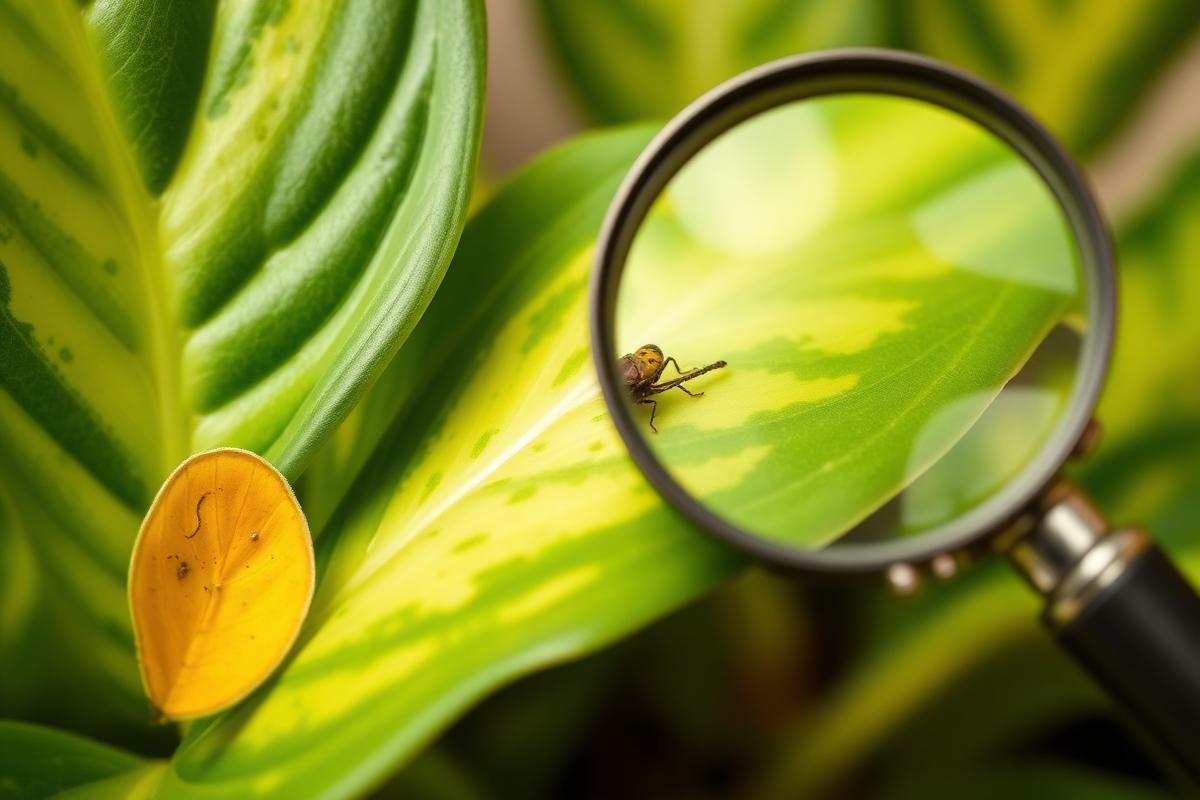
The Foundation of Diagnosis: Holistic Observation
Before you can effectively treat a struggling indoor plant, you must first accurately diagnose the problem. This process begins with thorough, holistic observation. Do not simply look at the most obvious symptom; instead, examine your plant from top to bottom, including the undersides of leaves, stems, and the soil surface. Consider its overall vigor, the color and texture of its foliage, and any unusual growths or declines.
Beyond the plant itself, extend your observation to its immediate environment. Has there been a recent change in light exposure, temperature, or humidity? When was the last time you watered or fertilized? Are there any drafts, nearby heat sources, or air conditioning vents affecting the plant? Such environmental factors often manifest as physiological stress, mimicking the symptoms of pests or diseases, making a comprehensive assessment crucial for proper diagnosis.
Differentiating Environmental Stress from Pests & Pathogens
One of the most common diagnostic pitfalls is mistaking environmental stress for a pest infestation or a fungal disease. For instance, yellowing leaves can indicate overwatering, underwatering, nutrient deficiency, or even a pest like spider mites. Browning leaf tips might suggest low humidity or excessive fertilizer, not necessarily a pathogen. Learning to differentiate these underlying causes is paramount for effective treatment.
Environmental issues often affect the plant more broadly or in patterns consistent with environmental exposure (e.g., leaves facing a window browning). Pests, conversely, usually leave specific marks like tiny holes, webbing, sticky residue (honeydew), or visible insects. Pathogens, such as fungi or bacteria, typically present with distinct spots, lesions, or wilting that progresses in a characteristic manner. A process of elimination, starting with environmental factors, is often the most logical approach.
Common Environmental Factors and Their Manifestations
Watering is perhaps the most frequent culprit behind indoor plant distress. Overwatering leads to yellowing leaves, soft stems, stunted growth, and root rot, often accompanied by a musty smell from the soil. Underwatering, on the other hand, typically causes wilting, crispy brown leaf edges, and a generally droopy appearance, with the soil feeling dry and pulling away from the pot sides.
Light extremes also play a significant role. Too much direct light can scorch leaves, causing brown, crispy patches, particularly on plants accustomed to lower light. Insufficient light results in leggy growth, pale leaves, and a general lack of vigor as the plant stretches towards a light source. Additionally, fluctuations in temperature or drafts can induce stress, leading to leaf drop or discolored foliage. Humidity levels, especially in heated or air-conditioned homes, can cause browning leaf tips, a classic sign of desiccation.
Identifying and Managing Key Indoor Plant Pests
Even with pristine cultural practices, pests can sometimes find their way indoors. Common indoor plant pests include spider mites (tiny red or black dots, fine webbing), mealybugs (fuzzy white cotton-like masses, often in leaf axils), aphids (small, pear-shaped insects in clusters, often green or black), scale insects (small, immobile bumps on stems and leaves), and thrips (tiny, slender insects causing silvery streaks and distorted growth). Early detection is critical for successful eradication.
Integrated Pest Management (IPM) is your most sustainable strategy. This involves a multi-pronged approach that prioritizes prevention, monitoring, and non-chemical interventions. Begin with physical removal: wipe leaves with a damp cloth, use a strong jet of water for dislodging, or manually pick off larger pests. Follow up with insecticidal soaps or neem oil, which are less toxic options that disrupt pest life cycles. Always isolate infested plants immediately to prevent spread and treat new plants proactively before introducing them to your collection.
Strategic Recovery Plans: From Diagnosis to Thriving
Once you have accurately diagnosed the issue, formulate a targeted recovery plan. If environmental stress is the cause, adjust the contributing factor: modify your watering schedule, move the plant to a more suitable light condition, increase humidity, or protect it from drafts. For nutrient deficiencies, apply a balanced, diluted fertilizer, ensuring the soil pH is appropriate for nutrient uptake. Remember to make gradual changes rather than drastic ones to avoid shocking the plant further.
For pest infestations, implement your IPM strategy consistently. Repeat treatments of insecticidal soap or neem oil every 5-7 days for several weeks to break the pest life cycle, ensuring you treat both established pests and newly hatched nymphs. Prune affected leaves or stems where appropriate, but avoid aggressive pruning if the plant is already stressed. Post-recovery, maintain vigilant monitoring to prevent recurrence, ensuring your plant not only survives but truly thrives once more.
Key takeaways
- Holistic observation is key to accurate diagnosis, involving both plant and environment.
- Distinguish between environmental stress and pest/disease issues through systematic checks.
- Water, light, humidity, and nutrients are primary environmental factors to assess.
- Integrated Pest Management (IPM) offers a sustainable approach to pest control.
- Early intervention significantly improves the chances of plant recovery.
Frequently asked questions
How can I tell if my plant is overwatered or underwatered?
Overwatering typically causes yellowing leaves, soft stems, and wet, potentially foul-smelling soil. Underwatering results in wilting, crispy brown leaf edges, and dry, brittle soil that pulls away from the pot.
What are the first steps to take when I notice plant distress?
First, thoroughly inspect the entire plant and its immediate environment. Check for visible pests, assess soil moisture, light exposure, temperature, and recent changes in routine. Compare symptoms to common issues.
Can I use household products to treat plant pests?
Some mild solutions, such as diluted dish soap (insecticidal soap), can be effective for soft-bodied pests like aphids and mealybugs. Always test on a small area first and avoid harsh chemicals. Neem oil is another natural option.
How often should I check my plants for pests?
Regularly. Integrate a quick pest check into your weekly watering routine. Pay close attention to new growth, leaf undersides, and stem junctions, as pests often hide in these areas.
My plant's leaves are turning yellow, what could be the general cause?
Yellowing leaves (chlorosis) are a general symptom that could indicate overwatering, underwatering, nutrient deficiency (especially nitrogen or iron), insufficient light, or environmental stress. Holistic observation is needed for precise diagnosis.
Is repotting always necessary for a struggling plant?
Not always. Repotting can add stress. It's necessary if the plant is rootbound, suffering from root rot requiring fresh soil, or has outgrown its container. For nutrient issues, fertilization might be sufficient, and for pests, treatment in place is often preferred initially.
Related articles
More in Troubleshooting & Pests →
Deciphering Indoor Plant Distress: Your Guide to Environmental Stress
Even the most diligent indoor gardeners occasionally encounter plants showing signs of distress. Often, the culprit isn't a pest or disease, but rather an imbalance in their environment. Understanding these subtle cues is paramount to nurturing a thriving indoor oasis.

When Your Houseplant Struggles: A Horticulturist's Guide to Integrated Pest & Disease Management
Is your beloved houseplant showing signs of distress? Learn to accurately identify common indoor plant pests, diseases, and environmental stressors, and implement effective, integrated management strategies for a thriving indoor garden.

Deciphering Indoor Plant Symptoms: A Horticulturist's Diagnostic Blueprint
Is your favorite houseplant showing signs of stress? From discolored leaves to stunted growth, understanding what your plants are trying to tell you is the first step toward successful intervention. This guide provides a systematic approach to diagnosing and treating common indoor plant problems.

Unmasking the Unseen: A Horticulturist's Guide to Subtle Indoor Plant Stressors
Often, your indoor plants communicate distress long before visible symptoms emerge. These subtle cues, if overlooked, can lead to severe health declines or pest infestations. Learning to interpret these early warning signs is paramount for proactive plant care and maintaining a thriving indoor garden.

Deciphering Distress: A Systematic Approach to Indoor Plant Ailments
When your cherished indoor plants begin to show signs of distress, pinpointing the exact cause can feel daunting. This guide provides a systematic, step-by-step methodology to accurately diagnose and effectively treat a wide array of indoor plant ailments, ensuring a thriving green environment.

Deciphering Fading Foliage: A Horticulturist's Guide to Yellow Leaves
Yellowing leaves are one of the most common and distressing sights for any indoor gardener. While seemingly simple, this symptom can point to a wide array of underlying issues, making accurate diagnosis crucial for effective treatment.