How to Grow a Productive Indoor Herb Garden on Any Windowsill
Supermarket herb pots die in two weeks for a reason — they were never grown to last. Here is how to build an indoor herb garden that actually produces for months.

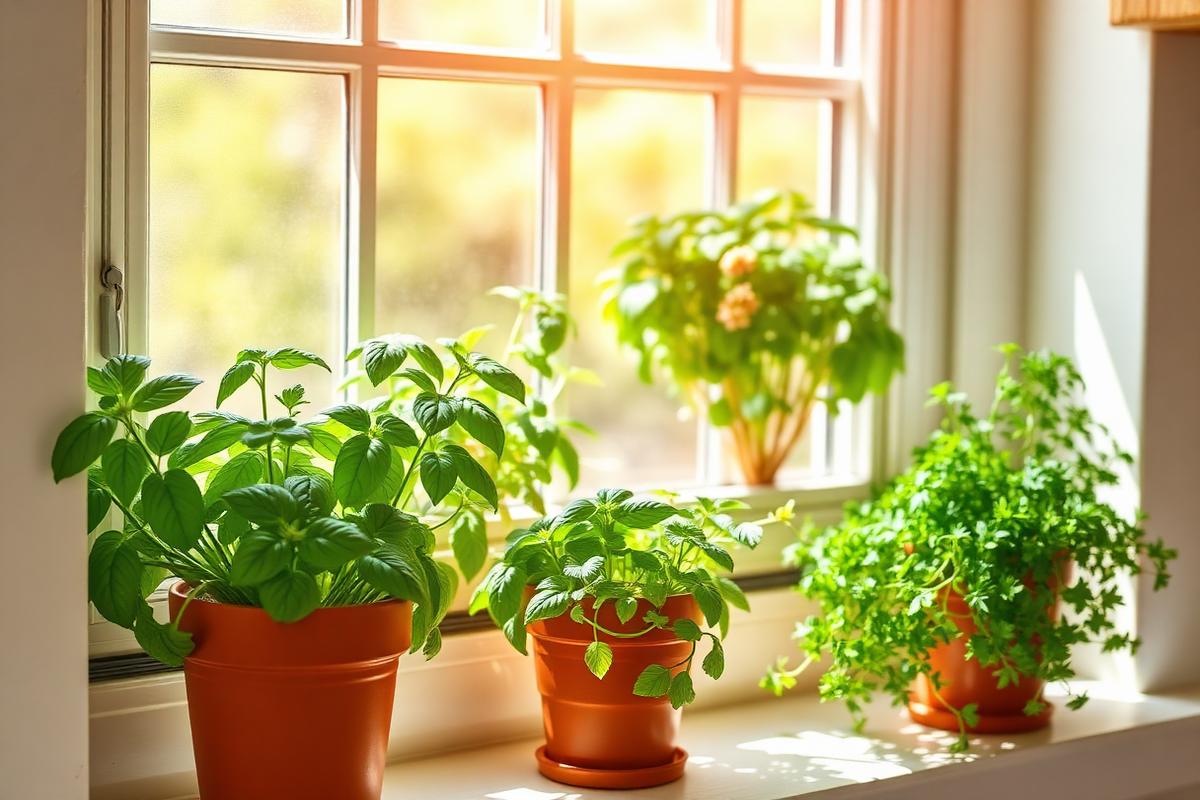
Why supermarket herbs always die — and what to do instead
Supermarket herb pots are designed to look full on a shelf, not to live. They're typically 20–40 seedlings crammed into a single small pot, each competing for the same water and nutrients. Within two weeks of going home, they collapse from root competition.
Two fixes work: divide the seedlings into separate small pots the day you bring them home, or treat the whole pot as a one-week harvest and start your own herbs from seed in proper individual pots.
Choosing the right windowsill
A south-facing window (in the northern hemisphere) gives 6+ hours of direct sun and is the only orientation where most herbs will thrive without supplemental light. East and west windows can produce decent basil and parsley but rosemary, thyme, oregano, and sage will stretch and weaken.
If you only have north-facing windows, you need a small grow light. A 30 W LED bar mounted 20 cm above the herbs on a 14-hour timer will outperform almost any natural window.
The right pot, the right soil
Use a 15 cm pot per single herb, with drainage holes. Terracotta is better than plastic for Mediterranean herbs because it dries out faster.
Basil, parsley, cilantro, chives, mint: use a standard peat-free houseplant compost. Keep evenly moist.
Rosemary, thyme, oregano, sage, lavender: use a cactus or succulent mix, or amend houseplant compost with 30% horticultural grit or perlite. Let the top half of the pot dry between waterings.
Harvest like a horticulturist
The biggest mistake new herb growers make is letting their basil and mint flower. Once a herb flowers, it diverts energy from leaves to seeds and the flavour collapses. Pinch the top set of leaves weekly, just above a leaf node — this triggers two new branches per cut.
For parsley, cilantro, and chives, harvest from the outside in. Take older outer leaves first and let the centre keep producing.
Never harvest more than one third of the plant in a single session.
The herbs worth growing — and the ones that aren't
Worth it indoors: basil, mint (in its own pot — it will take over), parsley, chives, thyme, oregano, rosemary, sage, chervil.
Hard indoors: cilantro (bolts fast under any heat stress), dill (gets too tall), tarragon (needs a winter chill to thrive next year).
Best replanted regularly: basil, cilantro, parsley. Treat them as 8–12 week crops and re-sow on a rolling schedule.
Key takeaways
- Most kitchen herbs need at least 6 hours of direct sun, or a supplemental grow light, to stay productive.
- Supermarket herb pots fail because they hold 10+ seedlings crammed into one small pot. Divide or re-sow.
- Pinch the tops weekly — herbs that aren't harvested stop producing new growth.
- Mediterranean herbs (rosemary, thyme, oregano) need dry, gritty soil. Soft herbs (basil, parsley) want consistent moisture.
Frequently asked questions
Can I grow herbs indoors without any sunlight?
Yes, with a grow light. A 30–50 W full-spectrum LED on a 14-hour timer, 20–30 cm above the herbs, will grow basil, parsley, mint, and chives reliably even in a windowless kitchen.
Why is my indoor basil leggy and pale?
Not enough light. Basil needs at least six hours of direct sun or equivalent grow-light intensity. Move it to a brighter window, add a light, and pinch out the tops to encourage bushier growth.
How long do indoor herbs last?
Annuals like basil, cilantro, and parsley live 3–6 months indoors before quality drops. Perennials like rosemary, thyme, oregano, and mint can live for years if repotted yearly and given enough light.
Related articles
More in Edible Indoor Gardens →
Optimizing Water Quality: The Unsung Hero of Indoor Edible Gardens
Often overlooked, the water you provide your indoor edible plants is a foundational element for their health and productivity. Understanding its composition and making necessary adjustments can dramatically elevate your gardening success.

Cultivating Microgreens and Dwarf Fruit: Maximizing Indoor Edible Space
Transform small indoor spaces into prolific edible gardens by mastering the art of cultivating nutrient-dense microgreens and space-saving dwarf fruit trees. Discover how to achieve impressive yields and consistent fresh produce right from your home.

Mastering Soil-Based Indoor Edibles: Cultivating Bountiful Harvests Naturally
While hydroponics garners significant attention in indoor edible gardening, the timeless method of growing in soil offers unparalleled stability, natural nutrient cycling, and robust plant health. Discover how to create a thriving, productive soil-based indoor garden right in your home.

Unlocking Your Indoor Garden's Potential: Precision Growing for Bountiful Edibles
Cultivating edibles indoors offers a rewarding pathway to fresh, nutritious produce year-round. This guide will walk you through the precise horticultural strategies necessary to turn your indoor space into a thriving, productive food garden.

Optimizing Indoor Harvests: Mastering Environmental Control for Edibles
Achieving consistent, high-yield harvests from your indoor edible garden goes beyond basic care; it demands a precise understanding and control of your plant's environment. This guide delves into optimizing crucial environmental factors to transform your indoor growing space.

Optimizing Nutrient Delivery for Your Indoor Edible Garden: A Horticulturist's Guide
Unlocking the full potential of your indoor edible garden hinges on effective nutrient delivery. This comprehensive guide from Dr. Elena Hartwood will empower you to provide precisely what your plants need to thrive and produce bountiful harvests.