When Your Houseplant Struggles: Advanced Diagnostics and Integrated Treatment
Is your treasured houseplant showing signs of distress? Understanding the subtle cues your plants provide is the first step toward recovery. This comprehensive guide equips you with advanced diagnostic techniques and integrated treatment plans to restore their vitality.
 By Dr. Elena Hartwood9 min read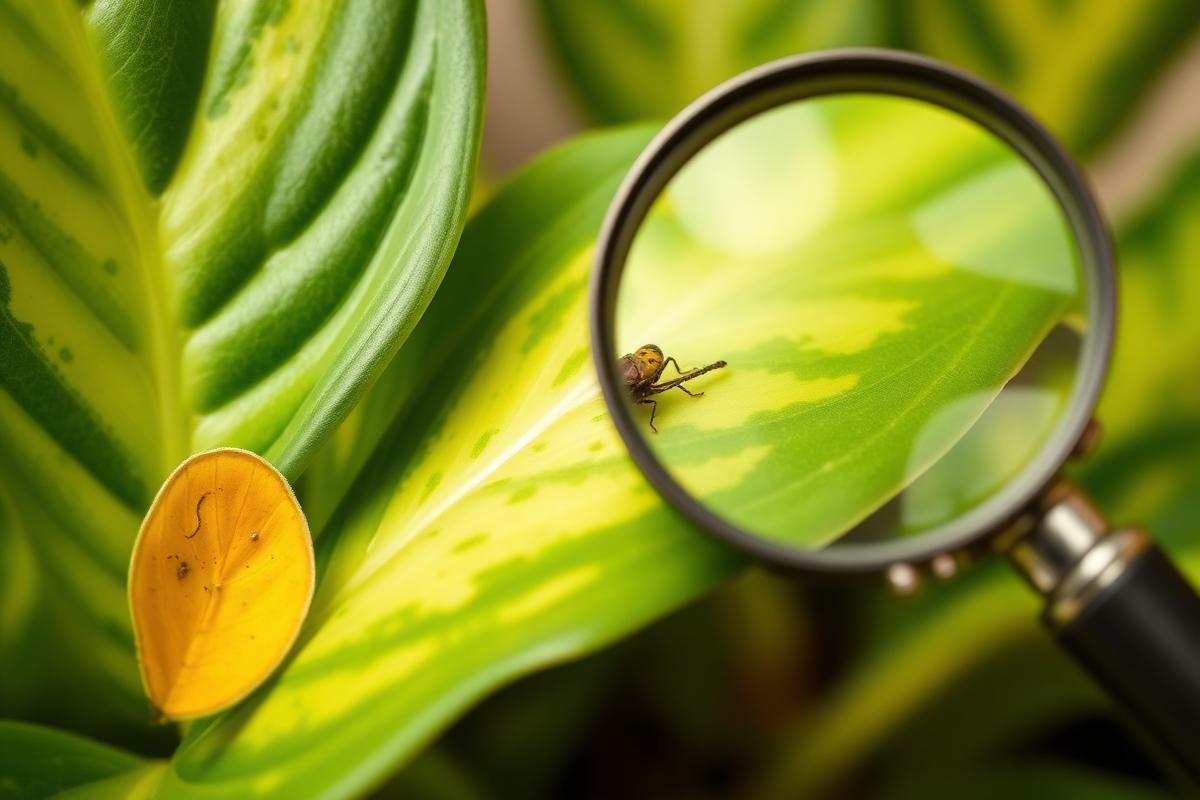
The Art of Observation: A Systematic Approach to Diagnosis
Before you can effectively treat a struggling houseplant, you must accurately diagnose the underlying issue. This process begins with meticulous observation and a systematic approach. Do not jump to conclusions based on a single symptom; instead, look for patterns and correlated signs across the entire plant.
Begin by examining your plant from top to bottom, including the undersides of leaves, stems, and the soil surface. Note the texture, color, and distribution of any anomalies. Are the symptoms localized to new growth, old growth, or uniformly spread? Is there an accompanying change in growth habit, such as stunted growth or wilting that doesn't resolve with watering?
Next, review the environmental conditions surrounding your plant. Consider light intensity and duration, temperature fluctuations, humidity levels, and watering frequency. Keep a log if necessary, as subtle changes in these factors can often be the root cause of distress. Overlooking these fundamental aspects can lead to misdiagnosis and ineffective treatment.
Finally, differentiate between biotic (living organisms like pests and pathogens) and abiotic (non-living environmental factors) issues. Abiotic problems often manifest as uniform symptoms across the plant or in response to a recent environmental change. Biotic problems, conversely, tend to show more specific damage patterns, often accompanied by visible pests or pathogen signs.
Recognizing Environmental Stress: The Most Common Culprit
Environmental stress accounts for a significant majority of indoor plant problems, often mimicking more severe issues. Understanding these stressors is paramount for prevention and recovery. Incorrect watering is perhaps the most prevalent cause, as both overwatering and underwatering lead to distinct but sometimes similar symptoms.
Overwatering, characterized by constantly soggy soil, leads to root rot. Symptoms include yellowing leaves, wilting despite wet soil, stunted growth, and a foul odor from the soil. The roots themselves will appear mushy and brown or black. Underwatering, or allowing the soil to dry out excessively, typically presents with wilting, crispy or brown leaf margins, and sometimes overall leaf drop.
Inadequate or excessive light is another frequent stressor. Too little light results in leggy growth, pale leaves, and a general lack of vigor. Too much direct light can cause leaf scorch, appearing as bleached spots or brown, crispy patches, particularly on plants accustomed to lower light. Temperature extremes, sudden drafts, and low humidity also contribute to plant stress, often causing leaf curling, browning edges, or a general decline.
Nutrient imbalances, whether deficiencies or excesses, also manifest as environmental stress. Deficiencies often show distinctive patterns, such as interveinal yellowing (iron/magnesium), overall pale coloration (nitrogen), or purpling (phosphorus). Excess nutrients, often from over-fertilization, can cause root burn, indicated by browning leaf tips and stunted growth.
Identifying Pests: Early Detection and Magnified Views
Pest infestations, though daunting, are manageable with early detection and consistent application of integrated pest management (IPM) strategies. Regular inspection, ideally weekly, is your best defense. A 10x jeweler's loupe or magnifying glass is an invaluable tool for spotting tiny invaders before they establish a stronghold.
Common indoor plant pests include spider mites, mealybugs, aphids, and scale insects. Spider mites are tiny, often visible as fine webbing on leaf undersides and yellow stippling on leaf surfaces. Mealybugs appear as fuzzy white, cottony masses in leaf axils and along stems, secreting a sticky honeydew. Aphids are small, soft-bodied insects, often green or black, clustering on new growth and leaf undersides, also producing honeydew.
Scale insects resemble small bumps, either soft or hard-shelled, adhering immovably to stems and leaves. They too excrete honeydew. Thrips are slender, winged insects that cause silvery streaking and leaf distortion. Fungus gnats, while annoying adults, are primarily a symptom of overly wet soil, as their larvae feed on organic matter and fine root hairs. Identifying the specific pest is crucial, as treatment protocols vary.
Look for the pests themselves, their waste products (like honeydew or black sooty mold that grows on honeydew), and specific damage patterns. For instance, irregular holes or chewed edges might indicate chewing pests like caterpillars (rare indoors) or slugs (if present in humid environments), whereas stippling or discoloration typically points to piercing-sucking insects.
Deciphering Plant Diseases: Fungal, Bacterial, and Viral Indicators
While less common indoors than environmental stress or pests, plant diseases can be devastating if not identified and treated promptly. Diseases are caused by pathogens – fungi, bacteria, or viruses – and often require slightly different approaches than pest management. Accurate identification is particularly critical here.
Fungal diseases are the most frequent in indoor environments, often favored by high humidity and poor air circulation. Powdery mildew appears as white, powdery patches on leaves. Rust diseases cause raised, orange or brown pustules. Leaf spot diseases present as distinct, often circular lesions with varied coloration and borders. Root rot, as mentioned, is often fungal in origin and exacerbated by overwatering.
Bacterial diseases often cause water-soaked lesions, soft rots, or angular leaf spots that are neatly defined by leaf veins. They can also lead to wilting, even with adequate water, if vascular tissues are obstructed. Bacterial leaf spots typically do not have a fuzzy appearance like many fungal lesions. These diseases often spread quickly through splashing water.
Viral diseases are the most challenging to treat, as there is generally no cure. Symptoms include mosaic patterns, distorted growth, stunted plants, and unusual discoloration or streaking. Viral infections are incurable, and affected plants should be isolated and often discarded to prevent spread, particularly if propagating from them. Distinguishing between these pathogen types is key to an effective response.
Integrated Pest Management (IPM): A Holistic Treatment Plan
Integrated Pest Management (IPM) is a sustainable, holistic approach that combines various strategies to manage pests and diseases with minimal environmental impact. Instead of relying solely on chemical sprays, IPM emphasizes prevention, monitoring, and targeted intervention. It's about creating an environment where pests struggle to thrive.
The first pillar of IPM is cultural control: maintaining optimal plant health through correct watering, light, temperature, humidity, and fertilization. Healthy plants are inherently more resistant to pests and diseases. Providing good air circulation by spacing plants appropriately and using oscillating fans also significantly reduces fungal issues.
The second pillar is physical and mechanical control. This includes manually removing pests (e.g., picking off mealybugs with an alcohol-dipped cotton swab), pruning affected leaves, showering plants to dislodge pests, and using yellow sticky traps to monitor and catch flying insects like fungus gnats and thrips. Repotting with fresh, sterile soil can also eliminate soil-borne pests.
Biological controls involve introducing beneficial insects (e.g., ladybugs for aphids, predatory mites for spider mites), though this is more common in greenhouses than typical indoor settings. The final pillar, when necessary, is chemical control, but always starting with the least toxic options. Horticultural oils (neem oil, insecticidal soap) disrupt pest respiration and cell membranes, offering effective control against many soft-bodied pests with low impact on the environment when used correctly.
Implementing Timely Interventions and Prevention
Once a diagnosis is made, swift and appropriate intervention is crucial for your plant's recovery. For environmental issues, corrective action is often immediate: adjust watering schedules, move the plant to a more suitable light condition, increase humidity, or adjust temperature. Be patient, as plants take time to recover and show new, healthy growth.
For pest infestations, begin with mechanical removal if possible, followed by applications of insecticidal soap or neem oil according to product instructions. Consistent application over several weeks is usually necessary to break the pest's life cycle. Isolate affected plants immediately to prevent spread to other specimens in your collection.
Disease management often involves pruning affected parts with sterile tools, improving air circulation, and altering watering practices to prevent wet foliage. Fungicides can be used for persistent fungal issues, but prevention through good cultural care is always superior. For bacterial and viral diseases, severe cases may necessitate discarding the plant to protect others.
Prevention remains the most effective strategy. Always inspect new plants thoroughly before introducing them to your existing collection. Quarantine new arrivals for several weeks. Use sterile potting mix and clean tools. Provide consistent, optimal environmental conditions, and practice routine inspections. A proactive approach minimizes the likelihood of severe problems and helps maintain a thriving indoor garden.
Key takeaways
- Systematic observation is crucial for accurate diagnosis.
- Distinguish between environmental stress, pests, and diseases.
- Integrated Pest Management (IPM) is key for sustainable control.
- Correct cultural practices prevent most common problems.
- Swift, targeted action improves plant recovery rates.
Frequently asked questions
What is the difference between a fungal and bacterial leaf spot?
Fungal leaf spots often appear fuzzy or powdery, or have concentric rings, while bacterial leaf spots are typically angular, water-soaked, and defined by leaf veins.
How can I tell if my plant is overwatered or underwatered?
Overwatered plants wilt, yellow, and have soft, mushy roots in perpetually damp soil. Underwatered plants wilt, have crisp leaves, and dry, hardened soil; roots will be dry and brittle.
Are spider mites visible to the naked eye?
Individual spider mites are very tiny, appearing as specks, but their fine webbing and the stippling damage they cause on leaves are usually visible.
What is 'honeydew' and what causes it?
Honeydew is a sticky, sugary substance excreted by certain piercing-sucking insects like aphids, mealybugs, and scale insects as they feed on plant sap.
Can I reuse potting soil from a diseased plant?
No, it is strongly advised not to reuse potting soil from a diseased plant as it may harbor pathogens that can infect new plants.
When should I use neem oil versus insecticidal soap?
Both are effective for many soft-bodied pests. Insecticidal soap works on contact by disrupting cell membranes. Neem oil works as an anti-feedant, growth regulator, and repellent upon ingestion and contact. Neem oil often has residual effects, while soap requires direct spray coverage.
Related articles
More in Troubleshooting & Pests →
Deciphering Indoor Plant Distress: Your Guide to Environmental Stress
Even the most diligent indoor gardeners occasionally encounter plants showing signs of distress. Often, the culprit isn't a pest or disease, but rather an imbalance in their environment. Understanding these subtle cues is paramount to nurturing a thriving indoor oasis.

When Your Houseplant Struggles: A Horticulturist's Guide to Integrated Pest & Disease Management
Is your beloved houseplant showing signs of distress? Learn to accurately identify common indoor plant pests, diseases, and environmental stressors, and implement effective, integrated management strategies for a thriving indoor garden.

Deciphering Indoor Plant Symptoms: A Horticulturist's Diagnostic Blueprint
Is your favorite houseplant showing signs of stress? From discolored leaves to stunted growth, understanding what your plants are trying to tell you is the first step toward successful intervention. This guide provides a systematic approach to diagnosing and treating common indoor plant problems.

Unmasking the Unseen: A Horticulturist's Guide to Subtle Indoor Plant Stressors
Often, your indoor plants communicate distress long before visible symptoms emerge. These subtle cues, if overlooked, can lead to severe health declines or pest infestations. Learning to interpret these early warning signs is paramount for proactive plant care and maintaining a thriving indoor garden.

Deciphering Distress: A Systematic Approach to Indoor Plant Ailments
When your cherished indoor plants begin to show signs of distress, pinpointing the exact cause can feel daunting. This guide provides a systematic, step-by-step methodology to accurately diagnose and effectively treat a wide array of indoor plant ailments, ensuring a thriving green environment.

Deciphering Fading Foliage: A Horticulturist's Guide to Yellow Leaves
Yellowing leaves are one of the most common and distressing sights for any indoor gardener. While seemingly simple, this symptom can point to a wide array of underlying issues, making accurate diagnosis crucial for effective treatment.