How to Get Rid of Fungus Gnats on Houseplants — Permanently
Fungus gnats are an irrigation problem disguised as a pest problem. Fix the soil moisture and the swarm dies in two weeks — guaranteed.

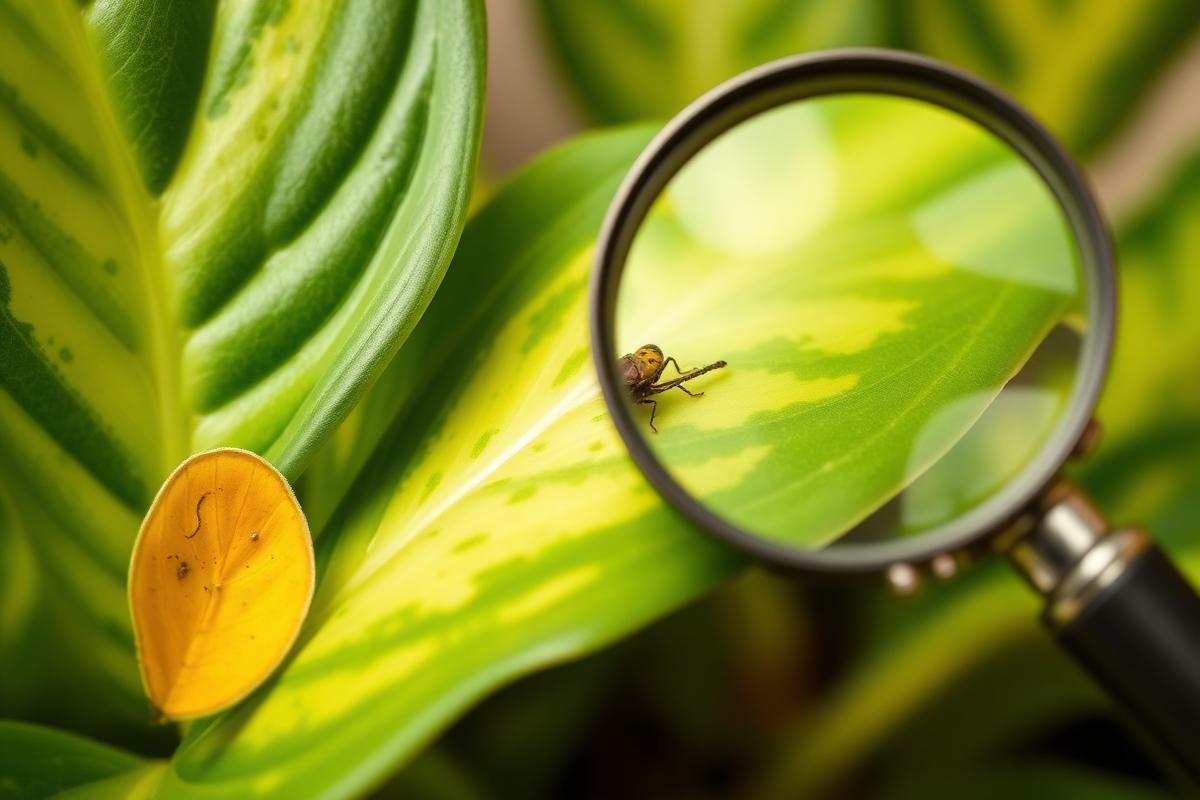
Why fungus gnats appear in the first place
Adult fungus gnats are weak fliers and very short-lived (about a week). The visible swarm is just the tip of the problem. Females lay 100–300 eggs in the top centimetre of consistently moist soil. The larvae hatch in 4–6 days and feed on fungi, decaying organic matter, and fine root hairs for about two weeks before pupating into the next generation of adults.
Their entire life cycle depends on continuously damp soil at the surface. Almost every fungus gnat infestation is fixed by changing how you water.
The four-part protocol that actually works
Step one: let the top 3 cm of soil dry completely between waterings for at least three weeks. This kills eggs and starves larvae. Bottom-water during this period so the surface stays dry while roots still get a drink.
Step two: treat with BTI. Sprinkle a thin layer of mosquito bits on the soil surface, or steep a tablespoon of bits in a litre of water for 30 minutes, strain, and water with the steeped solution. BTI is a soil bacterium that produces a toxin specifically lethal to fungus gnat larvae and harmless to plants, pets, and people. Repeat weekly for three weeks.
Step three: hang yellow sticky traps just above the soil surface. They catch egg-laying adults and let you see whether the population is dropping.
Step four: top-dress every pot with a 1 cm layer of horticultural sand, coarse grit, or BTI-treated medium. This physical barrier prevents new females from reaching the soil to lay eggs.
What does not work (and what to avoid)
Hydrogen peroxide drenches kill larvae on contact but also damage beneficial soil microbes and root hairs. They make the problem look better for 24 hours and then reset it. Use as a last resort, not a first one.
Letting plants dry out severely as the only treatment risks the plant more than the gnats do. Combine drying with BTI.
Cinnamon, apple cider vinegar bowls, and dish soap traps catch a handful of adults but don't touch the larvae driving the infestation.
Preventing the next infestation
Quarantine every new plant for two weeks in a separate room with a sticky trap right above the pot. Most fungus gnat infestations enter the home on a new plant.
Switch to bottom watering for plants prone to staying wet at the surface.
Use a chunkier, faster-draining potting mix with added perlite or pumice. Standard supermarket peat mixes hold surface moisture for days and are gnat heaven.
Key takeaways
- Fungus gnat larvae live and breed in the top 2–3 cm of damp soil — drying that layer breaks the life cycle.
- BTI (Bacillus thuringiensis israelensis), sold as "mosquito bits," kills larvae safely and is the single most effective treatment.
- Yellow sticky traps catch adults; they do not solve the infestation alone but help measure progress.
- Two weeks of consistent treatment ends most infestations. Six weeks ends all of them.
Frequently asked questions
Are fungus gnats harmful to my plants?
Mild infestations are mostly a nuisance. Heavy infestations damage fine root hairs, which weakens seedlings and small plants noticeably. Established mature plants tolerate them better but should still be treated.
How long does it take to get rid of fungus gnats?
With the dry-down + BTI + sticky trap protocol, you'll see adult numbers drop within a week and the infestation end within two to three weeks. Stubborn cases take six weeks.
Are mosquito bits safe for pets and children?
Yes. BTI is one of the most studied and safest biological pesticides in use; it has no toxicity to mammals, birds, or beneficial insects. Store the bag closed and follow the label.
Related articles
More in Troubleshooting & Pests →
Deciphering Indoor Plant Distress: Your Guide to Environmental Stress
Even the most diligent indoor gardeners occasionally encounter plants showing signs of distress. Often, the culprit isn't a pest or disease, but rather an imbalance in their environment. Understanding these subtle cues is paramount to nurturing a thriving indoor oasis.

When Your Houseplant Struggles: A Horticulturist's Guide to Integrated Pest & Disease Management
Is your beloved houseplant showing signs of distress? Learn to accurately identify common indoor plant pests, diseases, and environmental stressors, and implement effective, integrated management strategies for a thriving indoor garden.

Deciphering Indoor Plant Symptoms: A Horticulturist's Diagnostic Blueprint
Is your favorite houseplant showing signs of stress? From discolored leaves to stunted growth, understanding what your plants are trying to tell you is the first step toward successful intervention. This guide provides a systematic approach to diagnosing and treating common indoor plant problems.

Unmasking the Unseen: A Horticulturist's Guide to Subtle Indoor Plant Stressors
Often, your indoor plants communicate distress long before visible symptoms emerge. These subtle cues, if overlooked, can lead to severe health declines or pest infestations. Learning to interpret these early warning signs is paramount for proactive plant care and maintaining a thriving indoor garden.

Deciphering Distress: A Systematic Approach to Indoor Plant Ailments
When your cherished indoor plants begin to show signs of distress, pinpointing the exact cause can feel daunting. This guide provides a systematic, step-by-step methodology to accurately diagnose and effectively treat a wide array of indoor plant ailments, ensuring a thriving green environment.

Deciphering Fading Foliage: A Horticulturist's Guide to Yellow Leaves
Yellowing leaves are one of the most common and distressing sights for any indoor gardener. While seemingly simple, this symptom can point to a wide array of underlying issues, making accurate diagnosis crucial for effective treatment.