Decoding Indoor Plant Distress: A Systematic Approach to Health and Recovery
Observing signs of distress in your houseplants can be disheartening, but identifying the root cause is the first critical step towards recovery. This guide provides a systematic, expert-driven approach to diagnosing and resolving the most common indoor plant ailments, ensuring your green companions thrive.
 By Dr. Elena Hartwood11 min read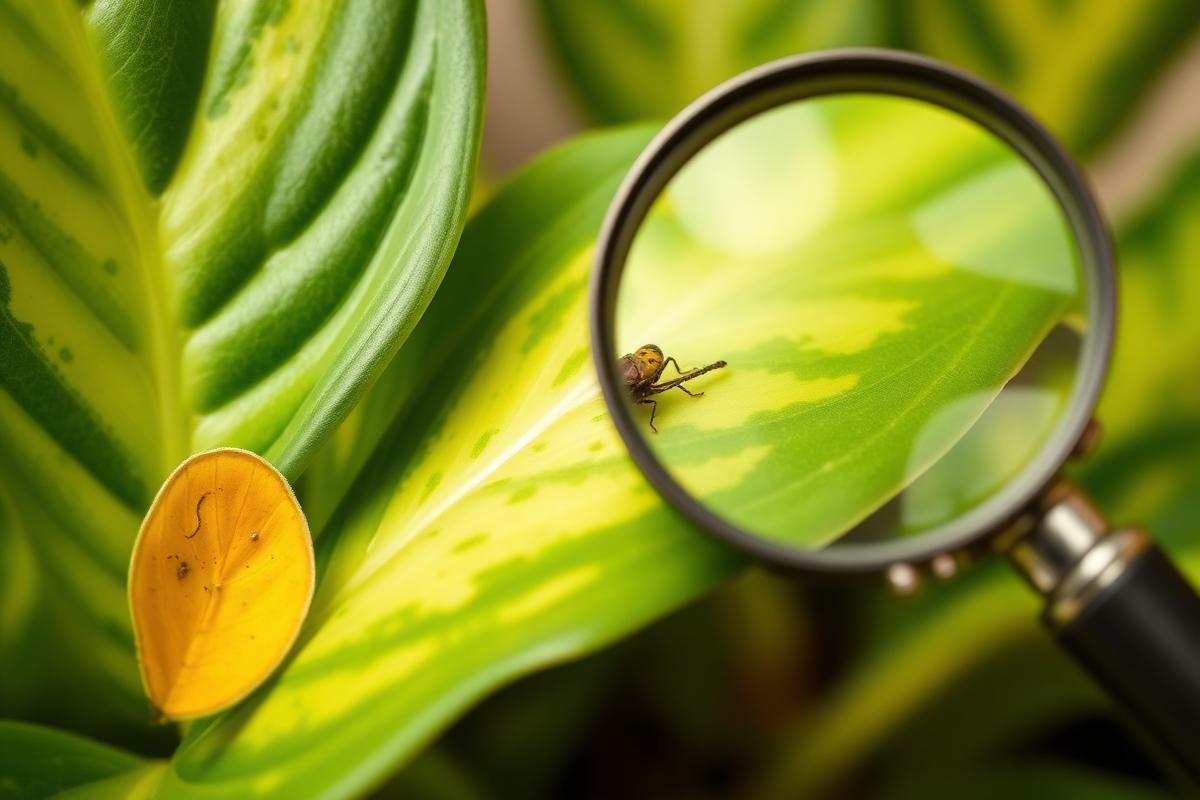
The Foundation of Diagnosis: Observational Acuity
Before you can effectively treat a struggling plant, you must first become a keen observer. Many plant symptoms, such as yellowing leaves or stunted growth, can be indicative of multiple underlying issues, making precise diagnosis essential. Begin by systematically examining your plant from top to bottom, including the undersides of leaves, stems, and the soil surface. Note the pattern of discoloration, wilting, or damage.
Consider the entire plant's habit: Is it localized to older leaves, new growth, or the entire plant? Are there any visible insect pests, webbing, or sticky residues? Pay close attention to the timing of symptoms as well; did they appear suddenly or gradually? The more detailed your initial observations, the more effectively you can narrow down the potential causes and formulate an appropriate intervention strategy.
It is also critical to review recent changes in your plant's environment or care routine. Have you moved the plant, repotted it, or altered its watering schedule? Have temperatures or humidity levels in its location shifted significantly? These seemingly minor changes can often predispose a plant to stress or make it more susceptible to pests. A holistic understanding of your plant's recent history is invaluable for accurate diagnosis.
Environmental Stressors: The Usual Suspects
Many indoor plant problems stem not from pests or diseases, but from suboptimal environmental conditions. Overwatering is perhaps the most common culprit, leading to root rot, yellowing leaves, and wilting despite damp soil. Conversely, underwatering causes leaves to droop, become crispy, and eventually drop. The key is consistent, appropriate watering, allowing the top inch or two of soil to dry out between applications for most plants.
Inadequate light is another widespread stressor, resulting in leggy growth, small or pale leaves, and a lack of flowering. Too much direct, intense light, especially for shade-loving plants, can cause scorched leaves and crisp brown spots. You must match your plant's specific light requirements to its placement, rotating it periodically to ensure even exposure. Consider supplementing natural light with appropriate grow lights if ambient conditions are insufficient.
Temperature fluctuations, drafts, and low humidity can also severely impact plant health. Most tropical houseplants prefer consistent temperatures between 65-75°F (18-24°C) and moderate to high humidity. Placing plants near heating or cooling vents can cause rapid desiccation. Grouping plants, using pebble trays, or employing humidifiers can help mitigate low humidity, preventing leaf crisping and browning edges.
Nutrient Deficiencies and Excesses: A Delicate Balance
While less common than watering or light issues, nutrient imbalances can certainly cause distress. Yellowing in older leaves that progresses inward from the edges, often with green veins (interveinal chlorosis), can indicate an iron deficiency. Overall pale green or yellowing of the entire plant, especially older leaves, might signal a nitrogen deficiency. Stunted growth and poor flowering can be a sign of phosphorus or potassium inadequacy. Over-fertilization, however, is far more prevalent in indoor settings, leading to root burn, brown leaf tips, and general decline.
To avoid both deficiency and excess, use a balanced, all-purpose liquid fertilizer diluted to half or quarter strength during the plant's active growing season, usually spring and summer. Observe your specific plant's needs; some are heavier feeders than others. Always apply fertilizer to moist soil to prevent root damage, and flush the soil periodically with plain water to wash away accumulated mineral salts.
Before automatically reaching for fertilizer, ensure all other environmental factors are optimally met. A plant suffering from poor light or overwatering will not benefit from more nutrients, and may even be harmed. Proper soil pH is also crucial for nutrient availability; most houseplants prefer a slightly acidic to neutral pH (6.0-7.0). If you suspect a severe deficiency or excess, a soil test kit can provide precise data, though these are more commonly used for outdoor gardening.
Identifying and Managing Common Indoor Plant Pests
Pest infestations are a significant concern for indoor gardeners. Common culprits include spider mites, mealybugs, aphids, scale, and fungus gnats. Each has distinct characteristics and preferred hiding spots. Spider mites cause tiny stippling on leaves and fine webbing, often on undersides. Mealybugs appear as white, cottony masses in leaf axils and along stems. Aphids are small, soft-bodied insects, typically green or black, found on new growth. Scale insects are immobile, brownish bumps on stems and leaves, while fungus gnats are small, dark flies hovering around the soil surface.
Early detection is paramount. Routinely inspect your plants, especially the undersides of leaves and new growth. If you find pests, immediately isolate the affected plant to prevent spread to your other botanical companions. Begin treatment using integrated pest management (IPM) principles, starting with the least toxic methods.
For small infestations, a strong spray of water can dislodge many pests. Alcohol-dipped cotton swabs are effective for mealybugs and scale. Neem oil, an organic botanical insecticide, disrupts insect growth and feeding but requires consistent application. Insecticidal soaps work by suffocating soft-bodied pests, but ensure complete coverage. For persistent issues, biological controls like beneficial predatory mites can be introduced, though this is less common for typical houseplants. Always follow product instructions carefully and test any treatment on a small section of the plant first.
The Role of Integrated Pest Management (IPM)
Integrated Pest Management (IPM) is a holistic, long-term strategy that combines cultural practices, biological controls, and chemical measures to prevent and manage pest populations. It emphasizes prevention and minimal environmental impact. For indoor plants, IPM begins with good sanitation: removing dead leaves, cleaning pots, and ensuring proper airflow. Quarantining new plants for several weeks before introducing them to your collection is a non-negotiable preventative measure against hitchhiking pests. Healthy, well-cared-for plants are also inherently more resistant to infestations.
Monitoring is another cornerstone of IPM. Regular, thorough inspections of all plants, ideally weekly, allow for early detection before infestations become severe. Small sticky traps can help monitor for flying pests like fungus gnats. Once pests are identified, the IPM approach encourages starting with non-chemical methods. Manual removal, such as wiping leaves with a damp cloth or using strong water sprays, should be the first line of defense.
If non-chemical methods are insufficient, move to less toxic biological or botanical options like neem oil or insecticidal soaps. Reserve conventional pesticides as a last resort, and always opt for formulations labeled safe for indoor use and follow all safety precautions. The goal is not eradication at all costs, but rather to keep pest populations below a level that causes significant plant damage, maintaining a healthy, balanced indoor ecosystem.
Remember that persistence is key with pest management. Most treatments require multiple applications over several weeks to break the life cycle of pests. A single application is rarely enough for complete control. Consistency in your treatment regimen will yield the best results and protect your entire indoor garden.
Beyond the Basics: Disease Identification and Prevention
While less common indoors compared to outdoor gardens, houseplants can occasionally suffer from fungal, bacterial, or viral diseases. Fungal diseases often manifest as powdery mildew (white, powdery patches), rust (orange or brown pustules), or various leaf spots (dark, often sunken lesions). Bacterial infections can cause watery soft rot, angular leaf spots, or slimy decay. Viral diseases are typically more challenging to diagnose and often present as distorted growth, mottled leaves, or overall stunting, without an obvious physical pathogen.
Prevention is the most effective defense against plant diseases. Ensure good air circulation around your plants, avoid overwatering (which creates humid conditions conducive to fungal growth), and sanitize pruning tools between plants to prevent pathogen transfer. Always remove and dispose of infected plant parts immediately to prevent further spread. For fungal issues, increasing airflow and reducing humidity can often help.
Chemical fungicides or bactericides are generally a last resort for indoor plants and are often not practical or necessary. Many common disease symptoms are, in fact, indicative of environmental stress rather than true pathogens. For example, brown leaf tips and margins are far more likely caused by low humidity or watering issues than a bacterial blight. Focusing on optimal care will preempt the vast majority of disease-like symptoms.
Proactive Care: Your Best Defense
Ultimately, the most effective strategy for managing indoor plant problems is proactive, consistent, and informed care. Understanding the specific needs of each plant in your collection – its light, water, humidity, and nutrient requirements – is fundamental. Mimicking its natural habitat as closely as possible will create a resilient plant less susceptible to stressors and more capable of warding off pests and diseases.
Regular inspection, as detailed in the IPM section, should become a routine part of your plant care. Dedicate a few minutes each week to examine your plants closely. Address small issues before they escalate into major crises. Maintaining cleanliness in your growing area and quarantining new purchases are simple yet powerful preventative measures.
Remember that plants are living organisms, and occasional imperfections are natural. A brown leaf here or a chewed edge there does not always signify impending doom. Your role as a horticulturist is to observe, understand, and respond thoughtfully, providing the conditions and interventions necessary for your indoor garden to flourish. With patience and systematic attention, you can cultivate a thriving oasis.
Key takeaways
- Systematic observation is crucial for accurate plant problem diagnosis.
- Distinguish between environmental stress, nutrient deficiencies, and pest infestations.
- Always isolate stressed or infested plants immediately to prevent spread.
- Integrated Pest Management (IPM) combines cultural, biological, and chemical controls.
- Consistent care and proactive monitoring are key to preventing most issues.
Frequently asked questions
What is the most common reason for indoor plant distress?
Overwatering is the single most common cause of indoor plant distress, leading to root rot and yellowing leaves.
How can I tell if my plant has spider mites?
Look for tiny stippling (small dots) on leaves, especially undersides, and fine, delicate webbing between leaves and stems. Leaves may also appear dull or bronze.
Should I immediately repot a struggling plant?
No, repotting is often a stressor itself. Only repot if the plant is demonstrably root-bound or the soil is completely degraded. First, diagnose and address other potential issues like watering, light, or pests.
What is Integrated Pest Management (IPM)?
IPM is a holistic approach to pest control combining cultural practices (e.g., sanitation), biological controls (e.g., beneficial insects), and chemical controls (e.g., insecticides) in an environmentally sensitive way, prioritizing prevention and least-toxic methods.
Can yellowing leaves mean both overwatering and underwatering?
Yes, yellowing leaves can indicate both. Overwatering causes overall yellowing and wilting with soggy soil, while underwatering causes yellowing and crispy, drooping leaves in dry soil.
How often should I inspect my plants for problems?
Regular, weekly inspections are ideal. Dedicate a few minutes to thoroughly examine the leaves, stems, and soil of each plant to catch problems early.
Related articles
More in Troubleshooting & Pests →
Deciphering Indoor Plant Distress: Your Guide to Environmental Stress
Even the most diligent indoor gardeners occasionally encounter plants showing signs of distress. Often, the culprit isn't a pest or disease, but rather an imbalance in their environment. Understanding these subtle cues is paramount to nurturing a thriving indoor oasis.

When Your Houseplant Struggles: A Horticulturist's Guide to Integrated Pest & Disease Management
Is your beloved houseplant showing signs of distress? Learn to accurately identify common indoor plant pests, diseases, and environmental stressors, and implement effective, integrated management strategies for a thriving indoor garden.

Deciphering Indoor Plant Symptoms: A Horticulturist's Diagnostic Blueprint
Is your favorite houseplant showing signs of stress? From discolored leaves to stunted growth, understanding what your plants are trying to tell you is the first step toward successful intervention. This guide provides a systematic approach to diagnosing and treating common indoor plant problems.

Unmasking the Unseen: A Horticulturist's Guide to Subtle Indoor Plant Stressors
Often, your indoor plants communicate distress long before visible symptoms emerge. These subtle cues, if overlooked, can lead to severe health declines or pest infestations. Learning to interpret these early warning signs is paramount for proactive plant care and maintaining a thriving indoor garden.

Deciphering Distress: A Systematic Approach to Indoor Plant Ailments
When your cherished indoor plants begin to show signs of distress, pinpointing the exact cause can feel daunting. This guide provides a systematic, step-by-step methodology to accurately diagnose and effectively treat a wide array of indoor plant ailments, ensuring a thriving green environment.

Deciphering Fading Foliage: A Horticulturist's Guide to Yellow Leaves
Yellowing leaves are one of the most common and distressing sights for any indoor gardener. While seemingly simple, this symptom can point to a wide array of underlying issues, making accurate diagnosis crucial for effective treatment.