Decoding Indoor Plant Distress: A Systematic Approach to Health and Recovery
Is your once-thriving houseplant showing signs of trouble? Unraveling the mystery of plant distress can be daunting, but with a systematic approach, you can pinpoint the issue and guide your botanical companions back to vibrant health.
 By Dr. Elena Hartwood15 min read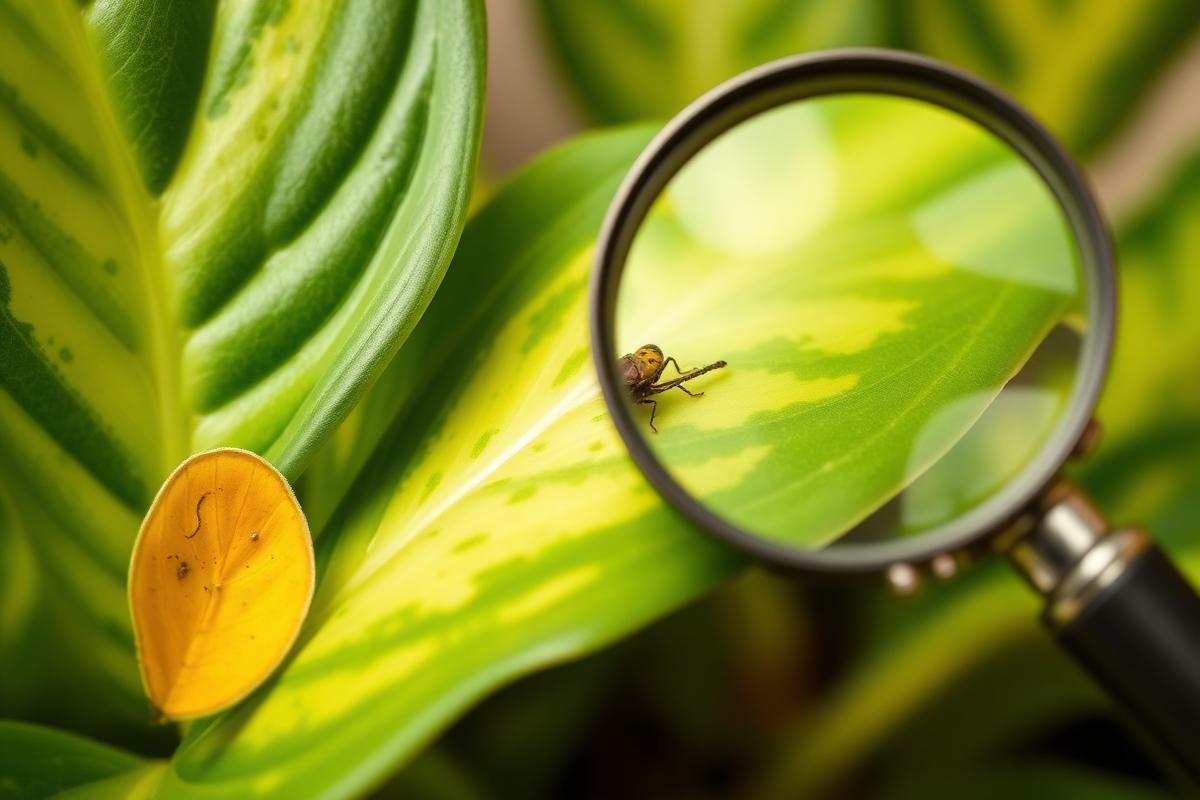
The Foundation of Diagnosis: Systematic Observation
Before you can treat a problem, you must clearly understand it. This begins with systematic observation, much like a doctor performing an initial assessment. Do not jump to conclusions; instead, take a moment to closely examine your plant from top to bottom, including the undersides of leaves and the soil surface. Note any changes in color, texture, growth habit, or presence of unusual substances.
Consider the entire plant's context. Has it recently been moved? Has the watering schedule changed? Is it near a draft or a heat source? These situational details are critical clues. A systematic approach helps differentiate between symptoms and underlying causes, preventing misdiagnoses that could worsen the plant's condition or lead to unnecessary treatments.
Keep a small journal or digital log for each plant, detailing its environmental conditions, watering frequency, and any observations of changes. This historical record can be invaluable for identifying patterns of distress and understanding how your plant responds to various treatments or environmental shifts. Consistent documentation enhances your diagnostic accuracy over time.
Environmental Stressors: The Most Common Culprits
A vast majority of indoor plant problems stem not from diseases or pests, but from suboptimal environmental conditions. These stressors are often subtle and develop over time, making them harder to pinpoint without careful consideration. Variables such as light, temperature, humidity, and air circulation are paramount to plant health, and deviations can manifest as various symptoms.
Inadequate or excessive light is a prime example. Too little light can lead to leggy growth, pale leaves, and a general lack of vigor, while too much can cause scorched, yellow, or bleached foliage. Similarly, improper watering—both overwatering and underwatering—is a leading cause of plant demise. Overwatering often results in yellowing leaves, soft stems, and root rot, whereas underwatering causes wilting, crispy foliage, and stunted growth.
Humidity levels, especially in heated or air-conditioned homes, can significantly impact tropical plants. Low humidity often presents as brown, crispy leaf edges or tips. Temperature fluctuations, sudden drafts, or proximity to heating/cooling vents can also shock plants, leading to leaf drop or general decline. Understanding these environmental tolerances for your specific plant species is the first step toward prevention and recovery.
Nutrient Imbalances: deciphering the Subtle Signs
Beyond environmental factors, nutrient imbalances can also manifest as distress. While often less common in regularly fertilized houseplants, they can occur, especially in plants that have been in the same pot for extended periods without fresh substrate. Yellowing leaves, stunted growth, and unusual leaf coloration can all be indicators of either a deficiency or an excess of specific nutrients.
For instance, general yellowing of older leaves, particularly between veins, may suggest a nitrogen deficiency, while purplish discoloration of leaves can point to phosphorus issues. Iron deficiency often shows as yellowing of younger leaves with green veins, a symptom known as chlorosis. Understanding these visual cues can guide your fertilization practices.
It is crucial to remember that nutrient issues are often secondary to watering problems. Overwatering can lead to nutrient lockout, where roots are unable to absorb nutrients even if they are present in the soil. Always ensure your watering regime is correct before amending your fertilization schedule, as simply adding more fertilizer might exacerbate rather than solve the problem.
Identifying and Addressing Pest Infestations
When environmental factors have been ruled out, pests become the next likely suspect. Early detection is key to managing infestations before they cripple your plant. Develop a routine of inspecting your plants weekly, paying close attention to new growth, leaf axils, and the undersides of leaves where many pests prefer to hide. Use a magnifying glass if necessary.
Common indoor plant pests include spider mites (tiny red or brown mites, fine webbing), aphids (small, pear-shaped insects, often green, black, or brown, clustered on new growth), mealybugs (white, cottony masses on stems and leaf axils), and thrips (tiny, slender insects that leave silvery streaks and small black dots). Each pest leaves distinct signs, which aid in identification.
Once a pest is identified, an Integrated Pest Management (IPM) approach is recommended. This involves a hierarchy of control methods, starting with the least invasive. Begin with manual removal (wiping with a damp cloth or cotton swab with rubbing alcohol), followed by horticultural oils or insecticidal soaps. Only consider stronger treatments if initial efforts prove insufficient, always spot-testing first to ensure plant tolerance.
Fungal and Bacterial Diseases: recognizing Pathogens
Although less frequent than environmental issues or pests, fungal and bacterial diseases can affect indoor plants, especially in conditions of high humidity, poor air circulation, or contaminated soil. Recognizing these pathogens early can prevent their spread and save your plant. Common symptoms include unusual spots, lesions, molds, or a general decline not attributable to other factors.
Fungal diseases often manifest as powdery mildew (white, powdery patches), rust (orange, raised spots), or various leaf spots (brown or black lesions with distinct margins). Bacterial diseases might cause soft, water-soaked spots, slimy rot, or angular leaf spots. Root rot, often a consequence of overwatering, is a common fungal issue that presents as mushy, foul-smelling roots.
Treatment for diseases often involves improving environmental conditions (reducing humidity, increasing air circulation), pruning affected plant parts with sterilized tools, and in some cases, applying appropriate fungicides or bactericides. Prevention through proper sanitation, appropriate watering, and good air movement is always the best defense against pathogens.
Developing a Recovery Plan and Ongoing Prevention
After diagnosing the problem, crafting a comprehensive recovery plan is essential. This plan should address the root cause, not just the symptoms. For environmental issues, adjust light, watering, humidity, or temperature as needed. For pests, execute your IPM strategy. For diseases, apply targeted treatments and improve sanitation.
Implement changes gradually where possible to avoid further shocking the plant. Provide consistent care during recovery, ensuring stable conditions and minimal stress. Monitor the plant closely for signs of improvement or worsening, and be prepared to adjust your strategy if initial treatments are not effective.
Long-term prevention is about establishing optimal growing conditions from the outset. This includes choosing plants suitable for your home's environment, using quality potting mix, providing adequate light, establishing a consistent and appropriate watering schedule, and performing regular inspections. A proactive approach minimizes the likelihood of future distress, fostering a thriving indoor garden.
Key takeaways
- Systematic observation is crucial for accurate plant distress diagnosis.
- Environmental factors (light, water, humidity) cause most common issues.
- Confirm pest presence with thorough inspection before treatment.
- Integrated Pest Management (IPM) prioritizes cultural and biological controls.
- Address the root cause, not just symptoms, for lasting recovery.
- Consistency in care is key to preventing future plant problems.
Frequently asked questions
What is the most common reason for indoor plant distress?
The most common reason for indoor plant distress is improper watering, specifically either overwatering or underwatering, leading to root issues or dehydration.
How can I tell if my plant has spider mites?
Look for tiny dots (mites) on the undersides of leaves, fine webbing, especially between leaves and stems, and silvery or stippled discoloration on the leaf surfaces.
My plant's leaves are turning yellow, what should I do?
Yellow leaves can indicate overwatering, underwatering, nutrient deficiencies, or insufficient light. Assess your watering habits, light exposure, and recent fertilization before making changes.
Is it better to underwater or overwater a houseplant?
It is generally better to slightly underwater than overwater. Plants can recover more easily from temporary drought, whereas overwatering can quickly lead to irreversible root rot.
What is Integrated Pest Management (IPM) for houseplants?
IPM is a holistic approach to pest control that combines biological, cultural, physical, and chemical tools in a way that minimizes economic, health, and environmental risks. It prioritizes least-toxic methods first.
How often should I inspect my plants for problems?
You should aim for a quick visual inspection of your plants at least once a week during your regular care routine, with a more thorough examination (checking leaf undersides, soil) every 2-4 weeks.
Related articles
More in Troubleshooting & Pests →
Deciphering Indoor Plant Distress: Your Guide to Environmental Stress
Even the most diligent indoor gardeners occasionally encounter plants showing signs of distress. Often, the culprit isn't a pest or disease, but rather an imbalance in their environment. Understanding these subtle cues is paramount to nurturing a thriving indoor oasis.

When Your Houseplant Struggles: A Horticulturist's Guide to Integrated Pest & Disease Management
Is your beloved houseplant showing signs of distress? Learn to accurately identify common indoor plant pests, diseases, and environmental stressors, and implement effective, integrated management strategies for a thriving indoor garden.

Deciphering Indoor Plant Symptoms: A Horticulturist's Diagnostic Blueprint
Is your favorite houseplant showing signs of stress? From discolored leaves to stunted growth, understanding what your plants are trying to tell you is the first step toward successful intervention. This guide provides a systematic approach to diagnosing and treating common indoor plant problems.

Unmasking the Unseen: A Horticulturist's Guide to Subtle Indoor Plant Stressors
Often, your indoor plants communicate distress long before visible symptoms emerge. These subtle cues, if overlooked, can lead to severe health declines or pest infestations. Learning to interpret these early warning signs is paramount for proactive plant care and maintaining a thriving indoor garden.

Deciphering Distress: A Systematic Approach to Indoor Plant Ailments
When your cherished indoor plants begin to show signs of distress, pinpointing the exact cause can feel daunting. This guide provides a systematic, step-by-step methodology to accurately diagnose and effectively treat a wide array of indoor plant ailments, ensuring a thriving green environment.

Deciphering Fading Foliage: A Horticulturist's Guide to Yellow Leaves
Yellowing leaves are one of the most common and distressing sights for any indoor gardener. While seemingly simple, this symptom can point to a wide array of underlying issues, making accurate diagnosis crucial for effective treatment.