Decoding Indoor Plant Distress: A Systematic Approach to Health and Recovery
Observing signs of distress in your beloved indoor plants can be disheartening, but understanding the root cause is the first step toward restoration. This comprehensive guide provides a systematic, expert-backed approach to diagnosing and treating common houseplant issues, ensuring your green companions thrive.
 By Dr. Elena Hartwood14 min read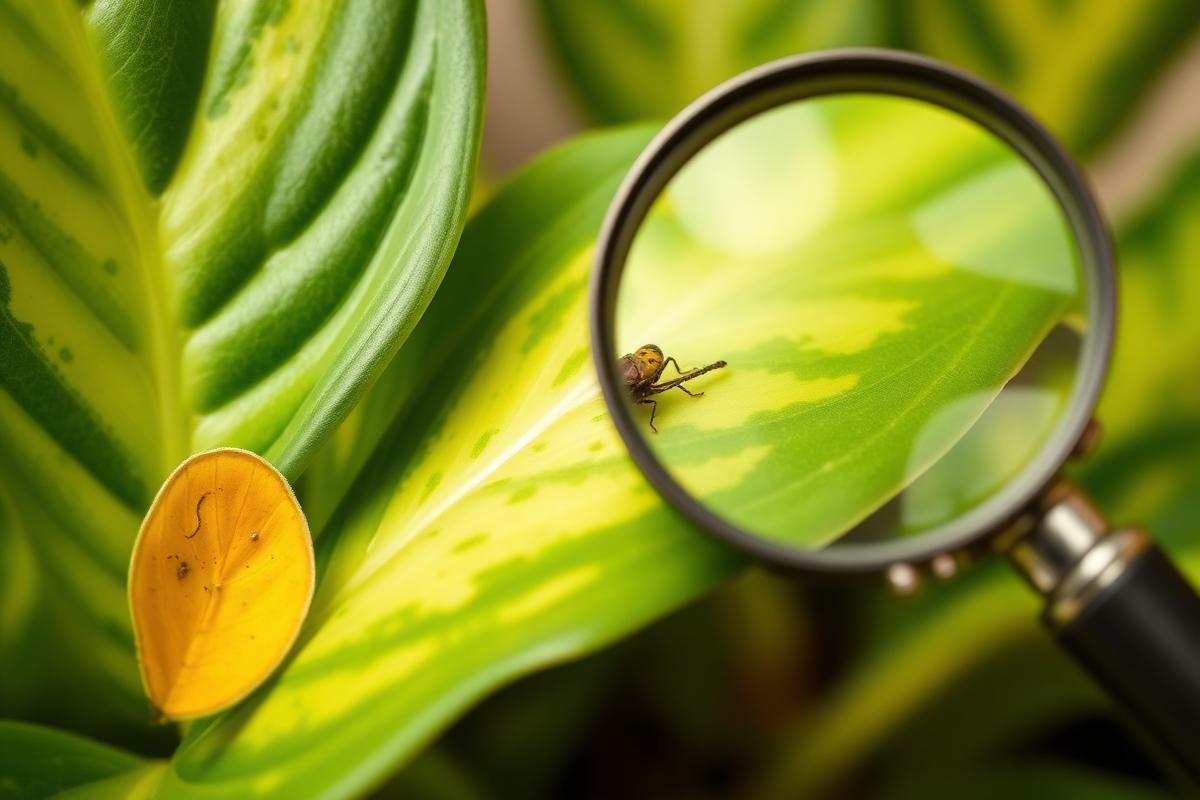
The Foundation of Diagnosis: Systematic Observation
Before implementing any treatment, a thorough and systematic observation of your plant is paramount. Resist the urge to jump to conclusions based on a single symptom. Instead, examine the plant comprehensively, beginning at the soil surface and working your way up through the stem, leaves, and any new growth. Note the overall vigor of the plant, its growth habit, and any changes from its normal appearance.
Consider the entire plant, not just the affected areas. Are symptoms generalized across older leaves, or confined to new growth? Is the issue localized to one side of the plant, or is it evenly distributed? Pay close attention to the undersides of leaves, crevices where leaves meet stems, and the soil surface for any unusual textures, spots, or moving organisms. Documenting these observations, perhaps with photographs and notes on the date, can be incredibly helpful for tracking progress or consulting with other horticulturists.
Your diagnostic journey should always begin with the most common and easily rectifiable issues before moving to more complex problems. Often, what appears to be a severe disease might simply be a response to inappropriate watering or insufficient light. Overlooking these fundamental environmental factors can lead to misdiagnosis and the application of ineffective or even harmful treatments, prolonging your plant's suffering.
Remember that plants communicate their needs through their physical appearance, and learning to interpret these signals effectively is a skill honed through practice and keen attention. Patience in observation can save significant time and effort in the long run, guiding you towards precision in your care strategy rather than reactive, broad-spectrum interventions.
Environmental Stressors: The Often-Overlooked Culprits
Many indoor plant 'diseases' are, in fact, symptoms of environmental stress rather than pathogenic infections or pest infestations. Incorrect watering practices, whether over- or under-watering, are by far the most frequent culprits. Yellowing leaves, wilting, leaf drop, and stunted growth can all stem from an imbalanced moisture regime. Always assess the soil moisture deeply before watering and ensure your pot has adequate drainage.
Light intensity and duration are equally critical. Too little light leads to leggy growth, pale foliage, and reduced vitality, while too much direct sun can scorch leaves, leading to brown or crispy patches. Consider your plant's natural habitat and try to replicate its preferred light conditions, understanding that light intensity fluctuates significantly throughout the day and with seasonal changes.
Temperature fluctuations, drafts from windows or air conditioners, and low humidity also contribute significantly to plant stress. Brown, crispy leaf edges or tips are classic symptoms of insufficient humidity, particularly for tropical species. Conversely, excessively high humidity without adequate air circulation can create an environment conducive to fungal issues. Aim for stable, appropriate temperatures and humidity levels tailored to your specific plant species.
Finally, nutrient imbalances – deficiencies or excesses – can manifest as discolored foliage, stunted growth, or unusual leaf patterns. However, refrain from immediately reaching for fertilizer. Over-fertilization can burn roots and is often more damaging than a slight deficiency. First, ensure proper watering and light, then consider a balanced, diluted fertilizer only if environmental factors have been ruled out and true nutrient hunger is suspected.
Identifying Common Houseplant Pests and Their Signatures
Pests are an inevitable part of indoor gardening, but early identification is key to effective management. Some of the most common include spider mites, mealybugs, aphids, scale insects, and thrips, each leaving distinct signs. Spider mites, for example, create fine webbing on critical points on the undersides of leaves and their feeding causes stippling or tiny yellow dots. Mealybugs appear as white, cottony masses in leaf axils and along stems, secreting a sticky honeydew.
Aphids are small, pear-shaped insects often found in clusters on new growth and leaf undersides, also producing honeydew. Scale insects resemble small, oval bumps, either brown or white, that firmly attach to stems and leaves, feeding on sap. Thrips are slender, tiny insects that cause silvery or distorted new growth and leave behind small black specks (frass). Familiarizing yourself with these visual cues will significantly aid your diagnostic process.
Regular, thorough inspections are your best defense. Incorporate inspecting your plants into your routine watering or misting schedule. Use a magnifying glass for a closer look, especially at leaf undersides and tight crevices where pests often hide. Catching a small population before it explodes can prevent significant damage and simplify the eradication process, often requiring less intense interventions.
Remember that while identifying the pest is crucial, understanding its life cycle and preferred environments can also inform your treatment strategy. For instance, many pests thrive in dry conditions (like spider mites), while others prefer high humidity. Adapting environmental controls can sometimes be a proactive measure against certain infestations, bolstering your plant's natural defenses.
Recognizing Fungal and Bacterial Issues
While less common indoors than environmental stress or pests, fungal and bacterial diseases can occasionally afflict houseplants, particularly in conditions of high humidity, poor air circulation, or contaminated soil. Fungal diseases often manifest as powdery mildew (white, powdery patches), rust (orange-brown pustules), or various leaf spots (discolored, often circular lesions that may have a halo). Root rot, characterized by soft, mushy, foul-smelling roots, is a common fungal issue linked directly to overwatering.
Bacterial diseases, while generally less frequent for home growers, can cause soft, watery spots, often with an oily or translucent appearance (bacterial leaf spot), or general wilting that doesn't resolve with watering (bacterial blight). These usually spread through water splash or contaminated tools. It is critical to differentiate between fungal and bacterial infections as their treatments differ significantly.
Good sanitation practices are your first line of defense against both types of pathogens. Always use clean pots and sterile potting mix. When propagating, ensure your cutting tools are disinfected with rubbing alcohol or a bleach solution. Promptly remove and discard any severely affected leaves or plant parts to prevent the spread of the infection to healthy tissue or other plants.
Improving air circulation around your plants can deter many fungal issues, as most fungi thrive in still, humid environments. Ensure good spacing between plants. For diagnosed cases, specific fungicides (for fungi) or bactericides (for bacteria) may be necessary, but always start with cultural controls and understand that many bacterial infections are difficult to treat once established.
Integrated Pest Management (IPM) for Indoor Plants
Integrated Pest Management (IPM) is a holistic, sustainable approach to pest control that prioritizes prevention, monitoring, and the least toxic interventions. It's not about eradication at all costs, but about managing pest populations to a level that minimizes damage without harming the environment, beneficial organisms, or your family. The first principle of IPM is cultural control: maintaining strong, healthy plants through proper watering, light, and nutrition makes them inherently more resistant to pests.
Mechanical controls are your immediate, hands-on solutions. For single pests or small infestations, physically removing them (e.g., wiping mealybugs with an alcohol-soaked cotton swab, hosing down aphids with water) can be highly effective. Pruning severely infested leaves or stems also reduces pest load. Introducing sticky traps can help monitor pest populations and catch flying adults, such as fungus gnats or adult thrips.
Biological controls, while more common in greenhouses, involve introducing beneficial insects that prey on pests. For indoor settings, this can be challenging but not impossible for persistent issues. For example, predatory mites can be used against spider mites, though ensuring their survival within a home environment requires careful attention to humidity and food sources. This step is usually considered when other methods have proven insufficient for widespread or recurring infestations.
Chemical controls, if absolutely necessary, should always be the last resort and chosen carefully. Opt for horticultural oils (neem oil) or insecticidal soaps, which work by smothering soft-bodied pests and have low toxicity to humans and pets. Always follow product instructions precisely, test on a small area first, and ensure good ventilation. Avoid broad-spectrum synthetic pesticides indoors, as they can harm beneficial insects and pose health risks.
Putting It All Together: A Diagnostic Flowchart Approach
When faced with a struggling plant, initiate a systematic diagnostic process. Begin by asking: 1. Have watering practices been consistent and appropriate for the plant and season? (Too much/too little water is the most common cause of yellowing, wilting, or leaf drop.) 2. Is the light adequate, too intense, or too dim for the species? (Scorched leaves, leggy growth.) 3. Are temperature and humidity within the plant's preferred range? (Crispy edges, sudden collapse.)
If environmental factors seem optimal, move to physical inspection for pests: 4. Examine all plant surfaces, including undersides of leaves and stem joints, for any visible insects, webbing, or sticky residue (honeydew). (Presence of pests dictates targeted treatments.) Use a magnifying glass if needed. 5. Check the soil surface and roots (if possible) for small insects or signs of root rot (mushy, smelly roots).
If no pests are evident and environmental conditions are stable, consider nutrient issues or disease: 6. Has the plant been consistently fertilized? When was it last repotted? (General yellowing, stunted growth, specific discoloration patterns.) Be cautious with immediate fertilization, as discussed previously. 7. Are there specific leaf spots, powdery growth, or unusual lesions that could indicate fungal or bacterial disease? (Look for distinct patterns, growth on leaves, or soft, watery spots.)
Based on your findings, formulate a targeted treatment plan. Correct environmental issues first. If pests are confirmed, implement IPM strategies, starting with mechanical removal and moving to horticultural oils if needed. For suspected diseases, remove affected parts and improve air circulation; apply appropriate treatments only if absolutely necessary and identified with certainty. Consistent monitoring post-treatment is essential to ensure recovery and prevent recurrence. Remember, a plant may take time to recover, so be patient and persistent.
Key takeaways
- Systematic observation is crucial for accurate diagnosis of indoor plant problems.
- Environmental stressors often mimic pest or disease symptoms; assess conditions first.
- Early detection and intervention prevent minor issues from becoming severe.
- Integrated Pest Management (IPM) offers sustainable solutions for pest control.
- Understand common deficiencies and excesses to optimize nutrient delivery.
- Regular, proactive care and sanitation are your best defense against plant distress.
Frequently asked questions
What is the most common reason for indoor plant distress?
The most common reason for indoor plant distress is improper watering, either overwatering leading to root rot or underwatering causing dehydration. Environmental factors like insufficient light or low humidity are also frequent culprits.
How can I tell the difference between overwatering and underwatering symptoms?
Overwatering typically causes yellowing leaves, wilting, and possibly soft, mushy stems or roots, and the soil remains wet. Underwatering results in dry, crispy leaves, wilting, and dry, hard soil. Always check soil moisture deep within the pot.
Are brown leaf tips always a sign of low humidity?
While brown leaf tips are a common indicator of low humidity, they can also be caused by excessive salts in the soil (from over-fertilization or hard water), inconsistent watering, or fluoride toxicity in some sensitive plants.
Can I use neem oil on all my indoor plants?
Neem oil is a broad-spectrum organic pesticide and fungicide that is generally safe for most plants. However, always perform a patch test on a small, inconspicuous leaf first, as some plants, particularly those with delicate or fuzzy leaves, can be sensitive to oil applications.
When should I prune yellow or damaged leaves?
You should prune yellow or damaged leaves as soon as you notice them. This helps the plant redirect energy to healthy growth, improves air circulation, and can prevent the spread of pests or diseases.
How do I prevent pests from entering my home on new plants?
Always inspect new plants thoroughly before bringing them indoors. Isolate new plants in a separate area for 2-4 weeks to monitor for pests or diseases. You can also proactively wipe down leaves with a diluted insecticidal soap solution upon arrival.
Related articles
More in Troubleshooting & Pests →
Deciphering Indoor Plant Distress: Your Guide to Environmental Stress
Even the most diligent indoor gardeners occasionally encounter plants showing signs of distress. Often, the culprit isn't a pest or disease, but rather an imbalance in their environment. Understanding these subtle cues is paramount to nurturing a thriving indoor oasis.

When Your Houseplant Struggles: A Horticulturist's Guide to Integrated Pest & Disease Management
Is your beloved houseplant showing signs of distress? Learn to accurately identify common indoor plant pests, diseases, and environmental stressors, and implement effective, integrated management strategies for a thriving indoor garden.

Deciphering Indoor Plant Symptoms: A Horticulturist's Diagnostic Blueprint
Is your favorite houseplant showing signs of stress? From discolored leaves to stunted growth, understanding what your plants are trying to tell you is the first step toward successful intervention. This guide provides a systematic approach to diagnosing and treating common indoor plant problems.

Unmasking the Unseen: A Horticulturist's Guide to Subtle Indoor Plant Stressors
Often, your indoor plants communicate distress long before visible symptoms emerge. These subtle cues, if overlooked, can lead to severe health declines or pest infestations. Learning to interpret these early warning signs is paramount for proactive plant care and maintaining a thriving indoor garden.

Deciphering Distress: A Systematic Approach to Indoor Plant Ailments
When your cherished indoor plants begin to show signs of distress, pinpointing the exact cause can feel daunting. This guide provides a systematic, step-by-step methodology to accurately diagnose and effectively treat a wide array of indoor plant ailments, ensuring a thriving green environment.

Deciphering Fading Foliage: A Horticulturist's Guide to Yellow Leaves
Yellowing leaves are one of the most common and distressing sights for any indoor gardener. While seemingly simple, this symptom can point to a wide array of underlying issues, making accurate diagnosis crucial for effective treatment.