Decoding Indoor Plant Distress: A Systematic Approach to Health and Recovery
Is your once-vibrant houseplant showing signs of distress? Understanding the underlying causes, from environmental factors to unwelcome pests, is crucial for its recovery. This guide provides a systematic approach to diagnosing and resolving your plant's troubles, ensuring its return to health.
 By Dr. Elena Hartwood9 min read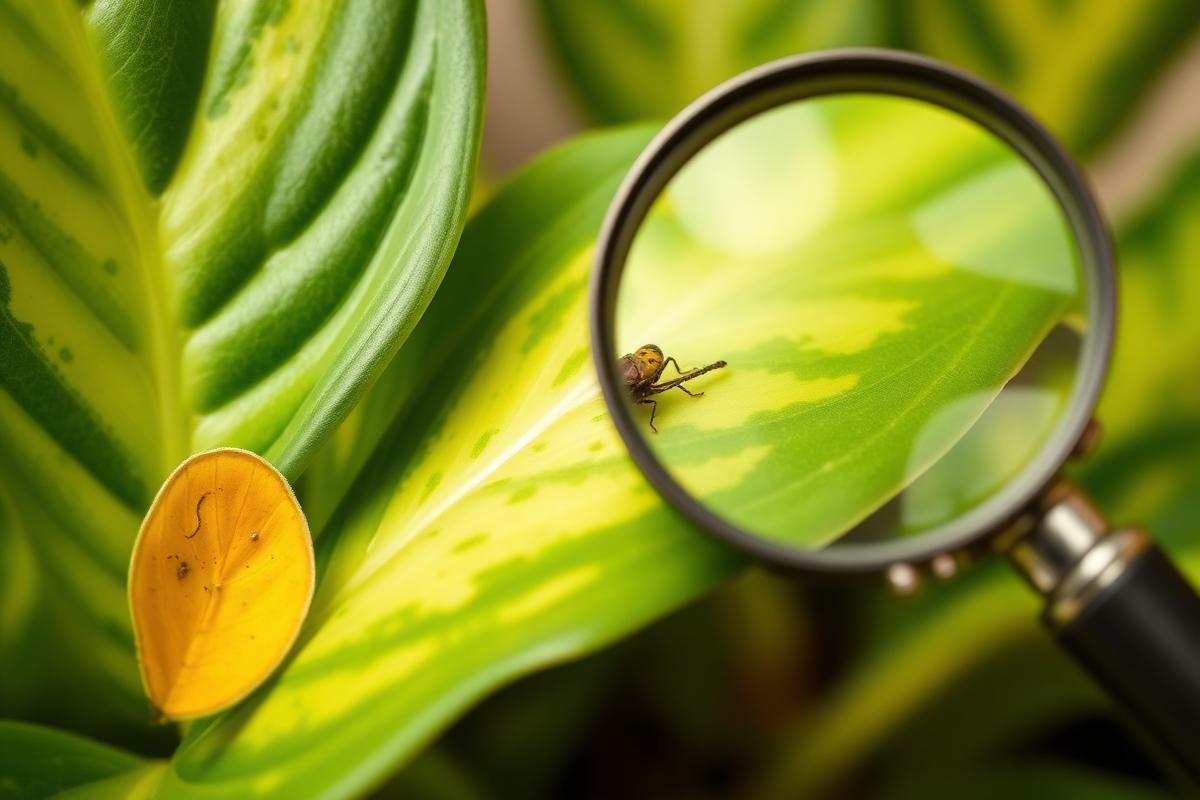
The Foundation of Diagnosis: Systematic Observation
Before you can effectively treat a struggling indoor plant, you must first accurately diagnose the problem. This process begins with systematic observation, looking beyond the obvious symptoms to understand the complete picture of your plant's environment and its overall health. A single symptom, such as yellowing leaves, can stem from numerous causes, making a holistic approach essential.
Begin by examining the entire plant: leaves, stems, soil surface, and even the underside of leaves. Note the pattern of symptoms – are they localized or widespread? Are new leaves affected differently from old ones? Consider recent changes in your care routine or the plant's environment. Documenting these observations, perhaps with photographs, can be invaluable for tracking progression and confirming your diagnosis.
Pay particular attention to the plant's recent history. Has it been repotted recently, moved to a new location, or exposed to temperature fluctuations? Have you changed your watering or fertilization schedule? These seemingly minor changes can significantly impact a plant's well-being and often provide the crucial clues needed for diagnosis.
Pinpointing Environmental Stressors: The Usual Suspects
The majority of indoor plant problems are not due to pests or diseases, but rather environmental stressors. These include incorrect watering, inadequate or excessive light, inappropriate humidity levels, and temperature fluctuations. Addressing these foundational elements of plant care is often the quickest path to recovery.
Overwatering is a common culprit, leading to root rot. Symptoms include yellowing leaves, wilting despite moist soil, and a musty smell from the pot. Underwatering manifests as drooping, crispy leaves, and dry, shrinking soil. Both extremes stress the plant, making it vulnerable to other issues.
Light is another critical factor. Too little light results in leggy growth, pale leaves, and a lack of flowering. Too much direct sun can scorch leaves, causing brown, crispy patches, especially on sensitive foliage. Consider your plant's natural habitat when assessing its light requirements.
Humidity levels, especially in heated or air-conditioned homes, can be detrimental to many tropical plants. Low humidity leads to brown leaf tips, slow growth, and increased susceptibility to spider mites. Temperature extremes, sudden drafts, or proximity to heat sources can also shock plants, leading to leaf drop or discoloration.
Identifying Common Indoor Plant Pests: Signs and Damage
Once environmental factors have been considered and adjusted, turn your attention to potential pest infestations. Pests can rapidly debilitate a plant if not identified and addressed promptly. Learning to recognize the specific signs and damage patterns of common indoor pests is a vital skill for any plant enthusiast.
Spider mites are tiny arachnids that cause stippling (tiny dots) on leaves and fine webbing, particularly on leaf undersides and in leaf axils. They thrive in dry conditions. Mealybugs appear as white, cottony masses in leaf axils, along stems, and on new growth, sucking plant sap and exuding a sticky honeydew.
Aphids are small, pear-shaped insects, often green, black, or brown, clustered on new growth and leaf undersides. Like mealybugs, they excrete honeydew. Thrips are slender, winged insects that cause silvery patches on leaves, often accompanied by tiny black specks of their excrement, and distorted new growth.
Scale insects appear as small, immobile bumps on stems and leaves, often brown or black, resembling shell-like growths. They too feed on sap and produce honeydew. Fungus gnats, while annoying, are primarily a symptom of consistently moist soil, as their larvae feed on decaying organic matter and sometimes plant roots. The adult flies are simply a nuisance.
Integrated Pest Management (IPM): A Holistic Treatment Plan
Integrated Pest Management (IPM) is a sustainable, effective approach to pest control that combines various strategies, minimizing reliance on chemical pesticides. It emphasizes prevention, monitoring, and targeted interventions, promoting long-term plant health.
The first step in IPM is prevention. Regularly inspect new plants before introducing them to your collection. Maintain good sanitation practices by removing dead leaves and debris. Provide optimal growing conditions, as healthy plants are more resilient to pest attacks. Consider using sticky traps to monitor for flying insects, providing early warning.
When pests are detected, begin with the least intrusive methods. For minor infestations, a strong spray of water can dislodge many insects. Manual removal with a cotton swab dipped in rubbing alcohol is effective for mealybugs and scale. Introduce beneficial insects like ladybugs or predatory mites for persistent issues, if practical.
For more significant infestations, horticultural oils (like neem oil) or insecticidal soaps can be highly effective. These work by suffocating soft-bodied insects or disrupting their life cycles. Always follow label directions precisely to avoid harming your plant. Chemical pesticides should be a last resort, used only after other methods have failed, and with careful consideration of their impact on the environment and beneficial organisms.
When Disease Strikes: Identifying and Managing Pathogens
While less common indoors, plant diseases can occur, often exacerbated by environmental stress or poor air circulation. Fungal and bacterial infections are the most prevalent, manifesting as spots, blights, or rots. Prompt identification and isolation are key to preventing their spread.
Fungal diseases often appear as powdery mildew (white, powdery growth on leaves), leaf spots (circular lesions, often with a halo), or root rot (soft, mushy, discolored roots). Bacterial infections may cause water-soaked lesions, soft rots, or angular leaf spots. Viruses are rare in indoor settings but can cause distorted growth and mosaic patterns.
Good air circulation, proper watering, and avoiding overhead watering can significantly reduce the risk of fungal diseases. Remove and discard affected plant parts immediately to prevent spreading. For root rot, improve drainage, repot into fresh, well-draining soil, and trim any diseased roots.
Chemical fungicides or bactericides are available, but their use should be guided by a clear diagnosis and adherence to product instructions. Often, improving environmental conditions and proper hygiene are more effective long-term solutions for managing plant diseases indoors.
The Recovery Phase: Nurturing Your Plant Back to Health
Once you've diagnosed and addressed the underlying issue, the focus shifts to nurturing your plant back to full health. This recovery phase requires patience and continued attentive care, as plants do not bounce back instantly.
Provide consistent, optimal environmental conditions: stable temperatures, appropriate light, and balanced humidity. Avoid over-fertilizing a stressed plant; wait until it shows signs of active growth and recovery before resuming a regular feeding schedule, and often at a reduced strength.
Prune away any severely damaged or dead leaves and stems. This not only improves the plant's appearance but also allows it to redirect energy to healthy new growth. Be discerning; avoid over-pruning, especially if the plant has already lost a significant amount of foliage.
Regularly monitor your plant for any resurgence of pests or symptoms, especially in the weeks following treatment. Early detection allows for prompt secondary treatment, preventing a full-blown relapse. Consistent observation is the bedrock of long-term plant health and resilience.
Key takeaways
- Systematic observation is key to accurate diagnosis of indoor plant problems.
- Distinguish between environmental stressors and pest infestations through careful examination.
- Address environmental factors like light, water, humidity, and temperature first.
- Identify common pests (spider mites, mealybugs, thrips) by their signs and damage patterns.
- Implement Integrated Pest Management (IPM) for sustainable and effective pest control.
- Regular plant health checks prevent minor issues from escalating into major problems.
Frequently asked questions
Why are my plant's leaves turning yellow?
Yellowing leaves often indicate overwatering, nutrient deficiency (especially nitrogen), insufficient light, or natural aging of older leaves. Assess soil moisture, light exposure, and recent fertilization.
What are those tiny white, cottony spots on my plant?
These are typically mealybugs, soft-bodied insects that feed on plant sap. Treat by dabbing with rubbing alcohol, manual removal, or applying insecticidal soap or neem oil.
My plant is wilting, but the soil feels moist. What's wrong?
Wilting with moist soil is a classic sign of overwatering leading to root rot. Inspect roots for mushiness and a foul odor. Repot into fresh, well-draining soil after trimming diseased roots.
How can I prevent pest infestations on my indoor plants?
Preventative measures include inspecting new plants, maintaining optimal growing conditions for resilient plants, ensuring good air circulation, and regular leaf cleaning to remove dust and potential pest eggs.
Are brown, crispy leaf tips a sign of too little water?
Brown, crispy leaf tips can indicate underwatering, but more commonly point to low humidity, mineral buildup from tap water, or excessive fertilization. Assess all environmental factors.
When should I use chemical pesticides on my houseplants?
Chemical pesticides should be a last resort, used only after exhausting less toxic Integrated Pest Management (IPM) methods. Always read and strictly follow label instructions for safety and efficacy.
Related articles
More in Troubleshooting & Pests →
Deciphering Indoor Plant Distress: Your Guide to Environmental Stress
Even the most diligent indoor gardeners occasionally encounter plants showing signs of distress. Often, the culprit isn't a pest or disease, but rather an imbalance in their environment. Understanding these subtle cues is paramount to nurturing a thriving indoor oasis.

When Your Houseplant Struggles: A Horticulturist's Guide to Integrated Pest & Disease Management
Is your beloved houseplant showing signs of distress? Learn to accurately identify common indoor plant pests, diseases, and environmental stressors, and implement effective, integrated management strategies for a thriving indoor garden.

Deciphering Indoor Plant Symptoms: A Horticulturist's Diagnostic Blueprint
Is your favorite houseplant showing signs of stress? From discolored leaves to stunted growth, understanding what your plants are trying to tell you is the first step toward successful intervention. This guide provides a systematic approach to diagnosing and treating common indoor plant problems.

Unmasking the Unseen: A Horticulturist's Guide to Subtle Indoor Plant Stressors
Often, your indoor plants communicate distress long before visible symptoms emerge. These subtle cues, if overlooked, can lead to severe health declines or pest infestations. Learning to interpret these early warning signs is paramount for proactive plant care and maintaining a thriving indoor garden.

Deciphering Distress: A Systematic Approach to Indoor Plant Ailments
When your cherished indoor plants begin to show signs of distress, pinpointing the exact cause can feel daunting. This guide provides a systematic, step-by-step methodology to accurately diagnose and effectively treat a wide array of indoor plant ailments, ensuring a thriving green environment.

Deciphering Fading Foliage: A Horticulturist's Guide to Yellow Leaves
Yellowing leaves are one of the most common and distressing sights for any indoor gardener. While seemingly simple, this symptom can point to a wide array of underlying issues, making accurate diagnosis crucial for effective treatment.