Decoding Indoor Plant Distress: Advanced Diagnostics & Integrated Treatment
Is your treasured houseplant showing signs of trouble? Unraveling the mystery of plant distress can feel daunting, but with a systematic approach, you can accurately diagnose the problem and implement effective, sustainable solutions. This guide empowers you to become a plant detective, transforming wilting leaves and discolored foliage into clues for recovery.
 By Dr. Elena Hartwood9 min read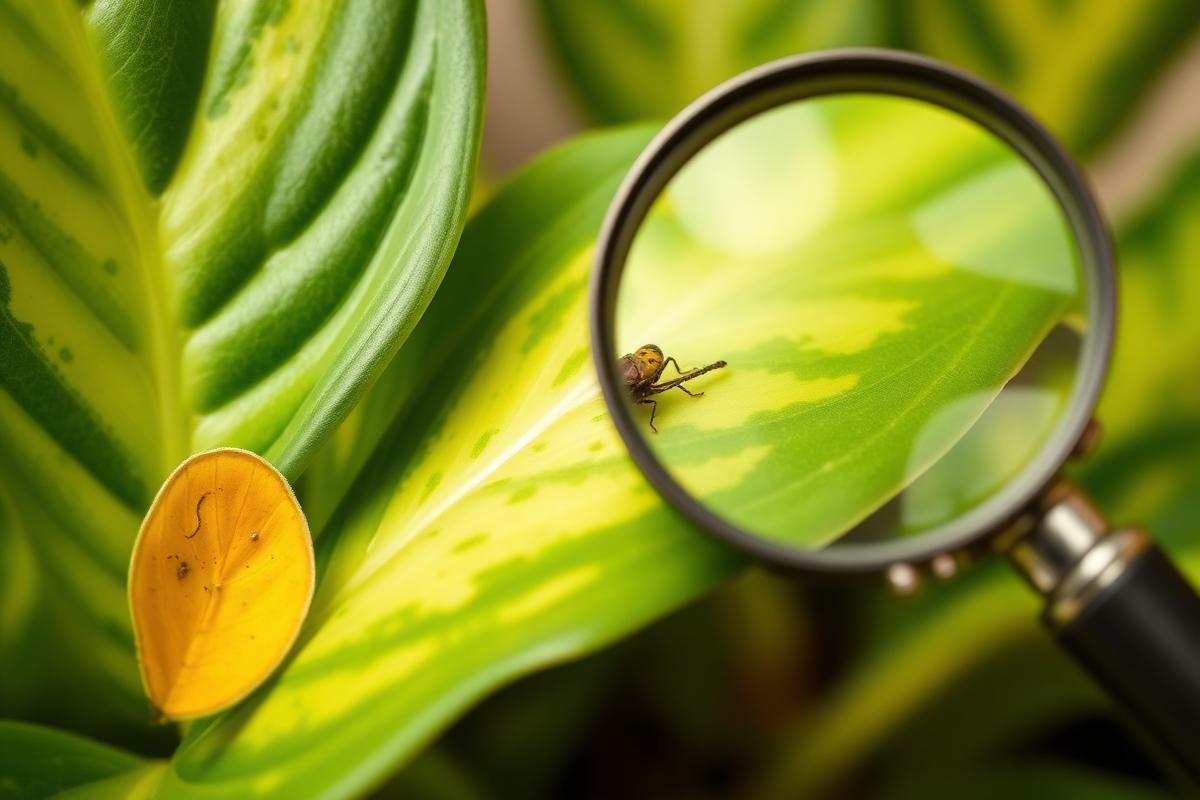
The Systematic Approach to Plant Problem Diagnosis
When your indoor plant begins to show signs of decline, it's natural to feel a mix of concern and confusion. The first step in effective troubleshooting is to adopt a systematic diagnostic approach, treating your plant's symptoms as vital clues. Resist the urge to jump to conclusions; instead, begin by observing thoroughly and recording your findings.
Start by examining your entire plant, from the soil surface to the newest leaves, and even the underside of older foliage. Note the specific colors, textures, and patterns of damage. Consider the distribution of symptoms: are they isolated to new growth, old growth, or uniformly spread? Are the symptoms symmetrical or sporadic across the plant?
Simultaneously, assess the plant's environment. Think about recent changes in light, temperature, humidity, or watering patterns. Have you recently repotted the plant, introduced a new plant, or applied any fertilizers or treatments? Documenting these details will help you connect symptoms to their potential causes, narrowing down complex issues into manageable ones.
Differentiating Environmental Stress from Pests and Diseases
A common pitfall in plant diagnostics is mistaking environmental stress for pest or disease issues, and vice-versa. Environmental stressors, such as improper watering, insufficient light, or nutrient deficiencies, often manifest as broad, uniform symptoms across the plant or specific types of foliage. For instance, underwatering typically leads to wilting and crispy brown edges, while overwatering causes yellowing and mushy stems.
Conversely, pest infestations tend to present with more localized or specific damage patterns, often accompanied by visible insects, webbing, or sticky residue. Diseases, while sometimes mimicking environmental stress, frequently show distinct lesions, spots, or fungal growth, often spreading systematically. The key is to look for corroborating evidence beyond the primary symptom.
Understanding these distinctions is paramount. Treating a nutrient deficiency with a broad-spectrum pesticide is not only ineffective but can further stress your plant. Similarly, overlooking a subtle pest infestation could lead to its rapid spread. Develop a keen eye for patterns and context, which will significantly improve your diagnostic accuracy.
Common Environmental Stress Factors and Their Solutions
The majority of indoor plant problems stem from suboptimal environmental conditions. Incorrect watering is perhaps the most frequent culprit; both under- and overwatering can severely impact root health and nutrient uptake. Always check the soil moisture deeply before watering, allowing the top inch or two to dry out for most plants, and ensure proper drainage.
Light is another critical factor. Too little light leads to leggy growth and pale leaves, while too much direct sun can cause scorched spots. Observe your plant's natural habitat preferences and adjust its placement accordingly. Temperature and humidity extremes can also induce stress, leading to leaf drop or stunted growth. Aim for consistent room temperatures and address low humidity with humidifiers or pebble trays for tropical varieties.
Nutrient imbalances, either deficiencies or excesses, can also manifest as discolored foliage or poor growth. Regular, appropriate fertilization during the growing season is essential, but over-fertilization can burn roots. Ensure good air circulation to prevent fungal issues and rotate your plants occasionally to promote even growth, mitigating unilateral light exposure effects.
Identifying and Managing Common Indoor Plant Pests
Even with the best preventative care, indoor plants can occasionally fall prey to pests. Early detection is your most powerful tool. Regularly inspect your plants, paying close attention to leaf axils, undersides of leaves, and new growth where pests often congregate. A magnifying glass can be invaluable for identifying tiny invaders.
Common culprits include spider mites (tiny red or black dots, fine webbing), aphids (small, soft-bodied insects clustering on new growth), mealybugs (white, cottony masses), and scale insects (small, immobile bumps). Each pest has preferred feeding sites and characteristic damage, such as stippling from spider mites or honeydew excretion from aphids and mealybugs.
Integrated Pest Management (IPM) is the most sustainable approach. Start with non-chemical methods: physically remove pests with a damp cloth or a strong spray of water. Introduce beneficial insects if practical, or use insecticidal soaps or neem oil as targeted treatments. Always isolate infested plants immediately to prevent spread and treat all susceptible plants in the vicinity as a precautionary measure.
Integrated Pest Management (IPM) for Sustainable Plant Health
IPM is not just about eradicating pests; it's a comprehensive strategy focusing on long-term prevention and minimal impact solutions. It begins with culture practices: selecting pest-resistant varieties, maintaining optimal growing conditions, and inspecting new plants thoroughly before introducing them to your existing collection. Healthy plants are inherently more resilient to pest attacks.
Monitoring is the next crucial step. Regular, close inspection allows for early detection before infestations become severe. If pests are found, cultural and physical controls are the first line of defense. This includes pruning infested leaves, washing plants, and using sticky traps to monitor populations.
Should these methods prove insufficient, biological controls (e.g., predatory mites) or low-impact chemical controls (e.g., insecticidal soaps, neem oil) are introduced. These are chosen for their specificity and low toxicity to non-target organisms. The goal is to manage pest populations below damaging levels, rather than complete eradication, while preserving environmental balance within your home garden.
Beyond the Basics: Advanced Diagnostic Techniques and Recovery
For persistent or unusual symptoms, advanced diagnostic techniques may be necessary. Consider conducting a soil test to analyze nutrient levels and pH, as imbalances below the surface can profoundly impact plant health. Observing root system health during repotting can reveal issues like root rot or nutrient binding, informing your approach to amendments.
When a severe problem is identified, a structured recovery plan is essential. This might involve repotting into fresh, well-draining soil, providing a period of isolation and targeted treatment for pests, or adjusting environmental parameters gradually. Severely compromised plants may benefit from pruning back damaged foliage to redirect energy to healthy growth.
Remember that recovery takes time and patience. Consistent monitoring and adherence to your treatment plan are critical. Keep a plant journal to record symptoms, treatments, and their effects. This documentation becomes an invaluable resource for future troubleshooting and helps you learn from each experience, ultimately making you a more skilled and confident indoor gardener.
Key takeaways
- Systematic observation is crucial for accurate indoor plant problem diagnosis.
- Differentiate environmental stress symptoms from pest or disease infestations.
- Integrated Pest Management (IPM) prioritizes prevention and non-chemical controls.
- Accurate identification of pests is vital for effective, targeted treatment.
- Addressing root causes, not just symptoms, ensures long-term plant health.
- Consistency in care and early intervention are key to successful recovery.
Frequently asked questions
How can I tell if my plant is overwatered or underwatered?
Overwatering typically causes yellowing leaves, soft or mushy stems, and potentially root rot. Underwatering results in wilting, crispy or brittle leaves, and dry, shrinking soil that pulls away from the pot edges.
What is the fastest way to get rid of spider mites?
For a rapid response, liberally spray the plant with insecticidal soap or neem oil, ensuring coverage of the undersides of leaves. Repeat every 5-7 days for several weeks to break their life cycle. Physical removal with a strong stream of water can also be effective initially.
Can I use household products to treat plant pests?
Some diluted household products like dish soap can be used cautiously as insecticidal soaps, but always use a pure, mild soap and test on a small area first. Avoid harsh detergents or products with degreasers, as these can damage plants. Neem oil, a natural plant derivative, is generally safer and more effective.
Why are my plant's new leaves turning yellow?
Yellowing new leaves can indicate several issues, including iron deficiency (often accompanied by green veins), nitrogen deficiency, or issues with soil pH that hinder nutrient uptake. Overwatering or poor drainage can also lead to new leaf yellowing due to compromised root function.
What is Integrated Pest Management (IPM)?
IPM is an ecosystem-based strategy focused on long-term prevention of pests through a combination of techniques, including biological control, habitat manipulation, modification of cultural practices, and use of resistant varieties. Pesticides are used only when necessary and in a way that minimizes risks to human health and the environment.
How often should I inspect my plants for problems?
Routine inspection once a week during your regular watering or care routine is highly recommended. Pay extra attention to new plants, plants that have recently been outdoors, or those showing any subtle changes in appearance.
Related articles
More in Troubleshooting & Pests →
Deciphering Indoor Plant Distress: Your Guide to Environmental Stress
Even the most diligent indoor gardeners occasionally encounter plants showing signs of distress. Often, the culprit isn't a pest or disease, but rather an imbalance in their environment. Understanding these subtle cues is paramount to nurturing a thriving indoor oasis.

When Your Houseplant Struggles: A Horticulturist's Guide to Integrated Pest & Disease Management
Is your beloved houseplant showing signs of distress? Learn to accurately identify common indoor plant pests, diseases, and environmental stressors, and implement effective, integrated management strategies for a thriving indoor garden.

Deciphering Indoor Plant Symptoms: A Horticulturist's Diagnostic Blueprint
Is your favorite houseplant showing signs of stress? From discolored leaves to stunted growth, understanding what your plants are trying to tell you is the first step toward successful intervention. This guide provides a systematic approach to diagnosing and treating common indoor plant problems.

Unmasking the Unseen: A Horticulturist's Guide to Subtle Indoor Plant Stressors
Often, your indoor plants communicate distress long before visible symptoms emerge. These subtle cues, if overlooked, can lead to severe health declines or pest infestations. Learning to interpret these early warning signs is paramount for proactive plant care and maintaining a thriving indoor garden.

Deciphering Distress: A Systematic Approach to Indoor Plant Ailments
When your cherished indoor plants begin to show signs of distress, pinpointing the exact cause can feel daunting. This guide provides a systematic, step-by-step methodology to accurately diagnose and effectively treat a wide array of indoor plant ailments, ensuring a thriving green environment.

Deciphering Fading Foliage: A Horticulturist's Guide to Yellow Leaves
Yellowing leaves are one of the most common and distressing sights for any indoor gardener. While seemingly simple, this symptom can point to a wide array of underlying issues, making accurate diagnosis crucial for effective treatment.