Decoding Indoor Plant Distress: Advanced Diagnostics & Integrated Solutions
When your houseplants exhibit signs of distress, understanding the root cause is crucial for effective intervention. This guide provides advanced diagnostic methods and integrated solutions to help your plants recover and thrive.
 By Dr. Elena Hartwood15 min read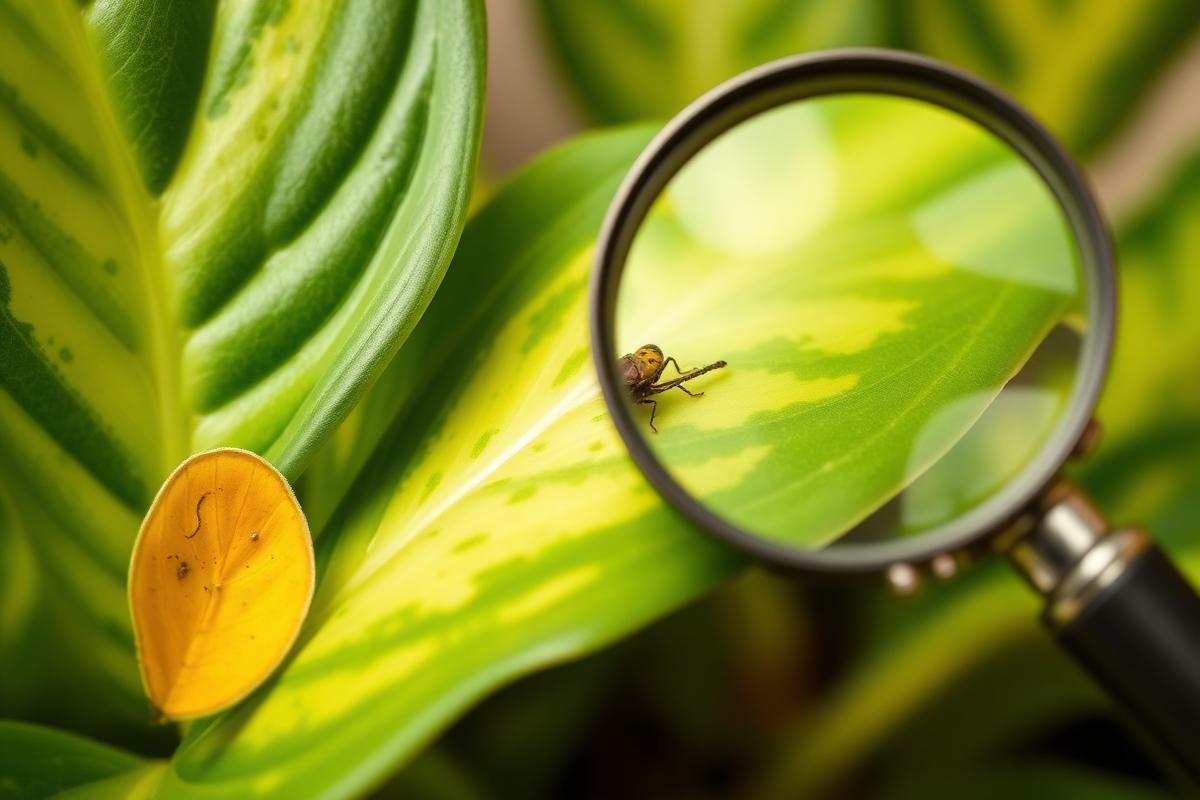
The Foundation of Effective Diagnosis: Systematic Observation
Before you can effectively treat a struggling indoor plant, you must first become a meticulous observer. A systematic approach to diagnosis begins by examining the entire plant, not just the most apparent symptoms. Start from the newest growth and work your way down to the oldest leaves, then inspect the stems, soil surface, and even the underside of leaves for any anomalies. This comprehensive initial assessment provides the critical data points necessary for an accurate diagnosis.
Consider the timeline of symptom development. Did the problem appear suddenly or gradually? Has the plant recently been relocated, repotted, or experienced a change in its care routine? These historical details are invaluable context for pinpointing the root cause. Keep a "plant journal" to record watering schedules, fertilization, environmental conditions, and any observed changes in plant health. This documentation will be your most powerful diagnostic tool over time, allowing you to identify correlations and prevent future issues.
Differentiating Environmental Stress from Pest Infestations
One of the most common diagnostic challenges is distinguishing between symptoms caused by environmental stressors and those indicative of a pest infestation. While both can manifest as discolored, wilting, or dropping leaves, the patterns and specific types of damage often differ. Environmental stress, such as overwatering, underwatering, or light imbalances, typically affects whole sections of the plant or specific leaf ages evenly, whereas pest damage frequently shows more localized feeding sites, stippling, webbing, or visible insects.
For instance, yellowing leaves might suggest nutrient deficiency or overwatering, while small, speckled yellow dots (stippling) on the underside of leaves are a classic sign of spider mites. Brown, crispy leaf edges often point to low humidity or underwatering, but similar browning in irregular patches could be a fungal issue or chemical burn. Always use a magnifying glass (10x-30x magnification is ideal) to inspect suspicious areas for tiny insects or their eggs, as many common pests are microscopic to the naked eye. This close examination is your definitive tool for differentiating between abiotic and biotic problems.
Common Environmental Stressors & Their Solutions
Indoor environments, while controlled, are still subject to fluctuations that can stress your plants. Improper watering is perhaps the most frequent culprit. Overwatering leads to root rot, characterized by mushy stems, yellowing leaves, and a foul odor from the soil. Underwatering, conversely, causes wilting, crispy leaves, and stunted growth. The solution lies in understanding your plant's specific water requirements and testing soil moisture before rewatering, ensuring proper drainage.
Light and temperature imbalances also play significant roles. Too little light results in leggy growth and pale leaves, while too much direct sunlight can cause leaf scorching or fading. Adjusting plant placement or supplementing with appropriate grow lights can rectify this. Similarly, extreme temperature swings or consistent drafts can shock plants, leading to leaf drop or stress. Maintaining a stable temperature range, generally between 65-75°F (18-24°C) for most houseplants, is crucial. Humidity levels are another often-overlooked factor; low humidity can stress tropical plants, causing brown leaf tips and increased susceptibility to spider mites, which can be mitigated with humidifiers or pebble trays.
Integrated Pest Management (IPM) for Houseplants
Integrated Pest Management (IPM) is a holistic and sustainable approach to pest control that prioritizes prevention, observation, and non-chemical interventions before resorting to stronger measures. The first step in IPM is prevention: inspect new plants thoroughly before introducing them to your existing collection, maintain good air circulation, and keep your plants healthy, as robust plants are less susceptible to pests. Regular monitoring, as discussed, helps catch infestations early when they are easiest to manage.
Should pests appear, begin with physical and cultural controls. This includes manually removing pests with a damp cloth or a strong spray of water, pruning heavily infested leaves, and using insecticidal soaps or neem oil. Insecticidal soaps work by suffocating soft-bodied insects, while neem oil acts as an anti-feedant and growth disruptor. Biological controls, such as beneficial insects, are also an option for persistent issues, though often more practical in larger indoor grow spaces. Chemical pesticides should always be a last resort, used only after careful consideration of their impact on the plant, your household, and beneficial organisms, applied strictly according to label instructions. The goal of IPM is not eradication, but management to keep pest populations at tolerable levels without harming the overall ecosystem.
Advanced Diagnostic Tools and Techniques
Beyond visual inspection, several advanced techniques can refine your diagnostic process. Soil pH testing kits, for instance, can reveal if your soil's acidity or alkalinity is hindering nutrient uptake, as most houseplants thrive in slightly acidic to neutral ranges (pH 6.0-7.0). Nutrient excess or deficiency often mirrors pest symptoms, and a soil test can rule out or confirm these imbalances, guiding your fertilization strategy. Water quality, including its pH and mineral content, can also impact plant health, particularly for sensitive species.
Examining root health is another critical diagnostic step. Carefully unpotting a struggling plant to inspect its roots can provide definitive answers. Healthy roots are typically firm, white, or light tan. Dark, mushy, or brittle roots indicate root rot, often due to overwatering or poor drainage. Conversely, sparse, dry roots suggest underwatering. Addressing root issues, whether by improving drainage, adjusting watering, or repotting into fresh, appropriate soil, is often the most direct path to recovery for a systemically stressed plant. Always handle roots gently to minimize further stress.
Crafting a Recovery Plan: From Diagnosis to Thriving
Once you have a clear diagnosis, formulating a precise recovery plan is paramount. Avoid the temptation to implement multiple interventions simultaneously, as this can make it impossible to determine which action is effective, or worse, introduce new stressors. Address the primary issue first, whether it's adjusting watering frequency, relocating for better light, treating a specific pest, or amending soil conditions.
After addressing the main problem, monitor your plant closely for signs of improvement. Be patient, as recovery can take weeks or even months. During this period, provide optimal environmental conditions to support healing. Avoid excessive fertilization, which can further stress a compromised plant. Once the plant shows consistent new, healthy growth, you can gradually resume a regular care routine, but continue regular observation as part of your ongoing preventative maintenance strategy. Remember, consistent care and proactive monitoring are the best defenses against future indoor plant distress.
Key takeaways
- Systematize your diagnostic approach by observing patterns and environmental factors.
- Learn to differentiate between common pest damage and nutrient deficiencies or environmental stress.
- Implement Integrated Pest Management (IPM) strategies for sustainable pest control.
- Understand the critical role of environmental parameters (light, water, humidity, temperature) in plant health.
- Formulate a recovery plan by addressing both primary and secondary stressors affecting your plant.
Frequently asked questions
What is the very first step when my indoor plant looks unhealthy?
The first step is a thorough, systematic visual inspection of the entire plant, including the top and underside of leaves, stems, soil surface, and new growth, to identify specific symptoms and potential pests.
How can I tell if yellowing leaves are from overwatering or nutrient deficiency?
Yellowing from overwatering often presents with mushy stems, wilting, and possibly dark, soft roots. Nutrient deficiency yellowing is typically more generalized across older leaves first (for mobile nutrients like nitrogen) or newer leaves (for immobile nutrients), and roots will likely appear healthy but sparse.
What is Integrated Pest Management (IPM)?
IPM is a sustainable, holistic pest control strategy emphasizing prevention, monitoring, and non-chemical controls like manual removal or insecticidal soaps before resorting to chemical pesticides, aiming for long-term pest deterrence.
Can low humidity really cause significant plant problems?
Yes, for many tropical houseplants, persistently low humidity can lead to crisp, brown leaf edges and tips, stunted growth, and increased susceptibility to spider mites, which thrive in dry conditions.
How often should I check my plant's roots for health?
You should check your plant's roots if you suspect an issue like root rot or extreme underwatering, or when repotting. Regular, unnecessary disturbance can stress the plant, so only do so when diagnostic information is needed.
Is it okay to fertilize a stressed or sick plant?
Generally, it is not advisable to fertilize a stressed or sick plant, as this can add further stress to an already compromised system. Focus on resolving the primary issue first, then resume a gentle fertilization schedule once the plant shows signs of recovery.
Related articles
More in Troubleshooting & Pests →
Deciphering Indoor Plant Distress: Your Guide to Environmental Stress
Even the most diligent indoor gardeners occasionally encounter plants showing signs of distress. Often, the culprit isn't a pest or disease, but rather an imbalance in their environment. Understanding these subtle cues is paramount to nurturing a thriving indoor oasis.

When Your Houseplant Struggles: A Horticulturist's Guide to Integrated Pest & Disease Management
Is your beloved houseplant showing signs of distress? Learn to accurately identify common indoor plant pests, diseases, and environmental stressors, and implement effective, integrated management strategies for a thriving indoor garden.

Deciphering Indoor Plant Symptoms: A Horticulturist's Diagnostic Blueprint
Is your favorite houseplant showing signs of stress? From discolored leaves to stunted growth, understanding what your plants are trying to tell you is the first step toward successful intervention. This guide provides a systematic approach to diagnosing and treating common indoor plant problems.

Unmasking the Unseen: A Horticulturist's Guide to Subtle Indoor Plant Stressors
Often, your indoor plants communicate distress long before visible symptoms emerge. These subtle cues, if overlooked, can lead to severe health declines or pest infestations. Learning to interpret these early warning signs is paramount for proactive plant care and maintaining a thriving indoor garden.

Deciphering Distress: A Systematic Approach to Indoor Plant Ailments
When your cherished indoor plants begin to show signs of distress, pinpointing the exact cause can feel daunting. This guide provides a systematic, step-by-step methodology to accurately diagnose and effectively treat a wide array of indoor plant ailments, ensuring a thriving green environment.

Deciphering Fading Foliage: A Horticulturist's Guide to Yellow Leaves
Yellowing leaves are one of the most common and distressing sights for any indoor gardener. While seemingly simple, this symptom can point to a wide array of underlying issues, making accurate diagnosis crucial for effective treatment.