Decoding Indoor Plant Ailments: A Systematic Approach to Health and Recovery
Even the most diligent indoor gardeners occasionally encounter plants showing signs of distress. Decoding these symptoms requires a systematic approach, combining careful observation with an understanding of both environmental factors and potential biological invaders, like pests and pathogens.
 By Dr. Elena Hartwood9 min read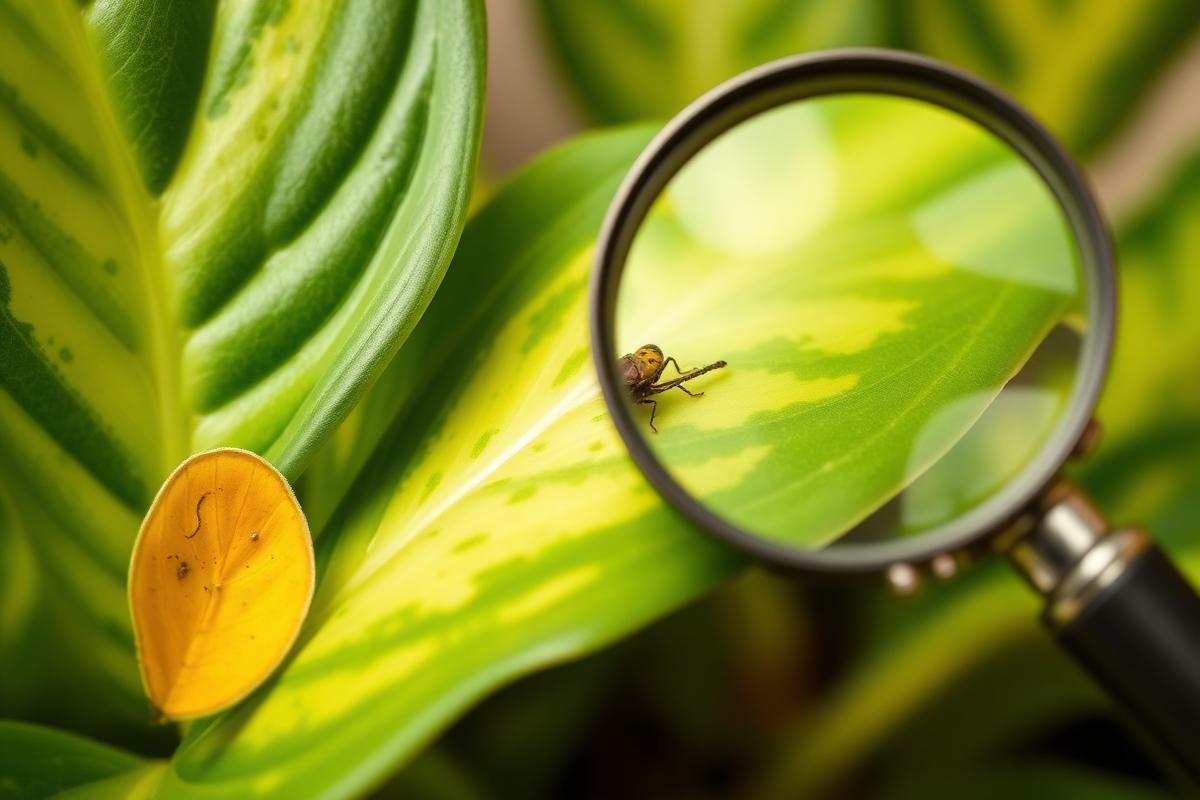
The Foundation of Diagnosis: Observational Acumen
Before delving into specific problems, establishing a routine of careful observation is paramount. Many plant issues are subtle in their early stages, and prompt detection significantly improves the chances of recovery. Regularly inspect all parts of your plants—the tops and undersides of leaves, stems, soil surface, and even the pot itself—for any deviations from their normal appearance.
Consider this inspection a diagnostic sweep, akin to a doctor's examination. Look for changes in leaf color, texture, shape, or turgidity. Pay attention to any sticky residues, webbing, tiny spots, or visible insects. The key is to notice what is unusual before it escalates into a full-blown crisis, differentiating between a plant’s natural growth cycle and genuine signs of distress.
Documenting your observations can be incredibly helpful, especially if you have many plants or if symptoms progress slowly. Take photographs and note down the date you first observed symptoms, the specific plant affected, and any recent changes in its environment, such as watering schedule adjustments or relocation. This record provides a vital timeline and context for accurate diagnosis and effective treatment planning.
Remember, your plants communicate through their physical manifestations. Learning their language, even in a basic sense, transforms you from a passive observer into an active horticulturist capable of proactive intervention. This foundational step is often overlooked but is the most powerful tool in your plant care arsenal, enabling you to identify problems before they become severe.
Distinguishing Environmental Stress from Biological Threats
One of the initial challenges in plant problem diagnosis is discerning whether the symptoms arise from environmental factors or from a biological agent like pests or pathogens. Environmental stressors, such as improper watering, inadequate light, or humidity issues, often present symptoms that can be mistakenly attributed to pests or diseases, leading to ineffective treatment. For example, yellowing leaves can signify overwatering, nutrient deficiency, or spider mite infestation.
To differentiate, evaluate your plant's recent care routine and its environment. Has the watering schedule been consistent? Is the plant receiving appropriate light intensity and duration for its species? Are temperatures stable, and is the humidity within an acceptable range? Reviewing these parameters systematically can often pinpoint the true cause. Environmental issues tend to affect the plant more uniformly or in patterns related to exposure, such as scorching on sun-exposed leaves.
In contrast, pest infestations usually leave more specific evidence. Beyond visible insects, look for stippling (tiny dots from sap-sucking), honeydew (sticky excretions), webbing, chewed edges, or distorted new growth. Pathogens like fungi or bacteria typically cause distinct spots, lesions, cankers, or wilting patterns that are unique to disease, often spreading from a focal point. Recognizing these subtle differences is critical for selecting the correct course of action, avoiding unnecessary pesticide applications, or over-correction of environmental factors.
A useful rule of thumb is to first rule out environmental stress, as these are often the easiest to correct. Once you confirm that light, water, temperature, and humidity are optimal, you can more confidently pivot your investigation towards potential biological invaders. This methodical approach saves time, resources, and minimizes further stress on your plant, guiding you toward a precise and effective solution.
Common Environmental Stressors & Their Solutions
**Improper Watering:** Both overwatering and underwatering are leading causes of plant distress. Overwatering suffocates roots, leading to yellowing leaves, soft stems, and root rot, often accompanied by a foul smell. Underwatering results in wilting, crispy leaves, and stunted growth. The solution involves establishing a consistent watering schedule tailored to the plant species and substrate, allowing the topsoil to dry out appropriately between waterings, and ensuring pots have adequate drainage.
**Inadequate or Excessive Light:** Too little light causes leggy growth, pale leaves, and a lack of flowering. Conversely, too much direct sun can lead to scorched, bleached leaves, especially for shade-loving plants. Assess your plant's light requirements and adjust its placement or supplement with artificial grow lights. Rotate plants periodically to ensure even light exposure and prevent one-sided growth.
**Humidity Imbalance:** Many tropical houseplants thrive in high humidity, and low indoor humidity can lead to brown, crispy leaf edges or tips. Grouping plants, using pebble trays, or deploying a humidifier can help. Conversely, excessive humidity without adequate air circulation can foster fungal diseases. Ensure good air movement around plants to prevent pathogen proliferation.
**Temperature Fluctuations & Drafts:** Sudden temperature drops, cold drafts from windows, or proximity to heating/cooling vents can shock plants, causing leaf drop or discoloration. Keep plants away from direct drafts and maintain a stable room temperature, ideally between 65-75°F (18-24°C) for most common houseplants. Protect them from extreme temperatures, which can severely impact their metabolic functions.
Integrated Pest Management (IPM) for Indoor Plants
Integrated Pest Management (IPM) is a holistic, long-term approach to pest control that combines cultural practices, biological controls, and chemical intervention only when necessary and justified. For indoor plants, IPM prioritizes prevention and non-toxic solutions to maintain a healthy ecosystem, rather than relying solely on harsh pesticides.
**Prevention and Cultural Practices:** Begin by inspecting all new plants thoroughly before introducing them to your existing collection. Quarantine new arrivals for several weeks to ensure they are pest-free. Maintain proper plant hygiene by regularly wiping leaves to remove dust and potential pest eggs, and promptly removing fallen leaves or debris from the soil surface. Good air circulation and appropriate watering also contribute to pest deterrence.
**Biological and Physical Controls:** Physically remove visible pests like mealybugs or scale with a cotton swab dipped in rubbing alcohol. Showering plants with room-temperature water can dislodge many soft-bodied pests. For persistent issues, consider introducing beneficial insects such as ladybugs or predatory mites, though this is often more practical in greenhouses than typical home environments. Sticky traps can monitor and control flying pests like fungus gnats.
**Least-Toxic Chemical Options:** When non-chemical methods are insufficient, opt for the least toxic chemical options first. Insecticidal soaps work by disrupting insect cell membranes and are effective against soft-bodied pests. Neem oil, a natural insecticide and repellant, disrupts insect feeding and growth cycles. Always follow label instructions precisely when using any product, even organic ones, and perform a small patch test on a leaf first to check for phytotoxicity.
The core principle of IPM is to create an environment where pests struggle to thrive, empowering the plant's natural defenses and minimizing reliance on chemical interventions. This strategic multi-faceted approach safeguards both your plants and your indoor environment.
Recognizing and Treating Common Indoor Plant Pests
**Aphids:** Small, pear-shaped insects, often green, black, or yellow, typically clustered on new growth or undersides of leaves. They suck plant sap, leading to distorted leaves and sticky honeydew. Treatment: Spray with insecticidal soap or neem oil, or physically remove with a strong jet of water.
**Spider Mites:** Tiny arachnids, often difficult to see with the naked eye, characterized by fine webbing on leaves and stems. They cause stippling (tiny yellow or brown dots) and overall leaf discoloration. Treatment: Increase humidity, regularly wash leaves, and apply insecticidal soap or horticultural oil, ensuring thorough coverage of leaf undersides.
**Mealybugs:** Soft-bodied, segmented insects covered in a white, cottony wax. They cluster in leaf axils and along stems, causing stunted growth and yellowing leaves. Treatment: Dab individual mealybugs with a cotton swab dipped in rubbing alcohol, or spray the entire plant with insecticidal soap. Repeat every 7-10 days to target new hatchlings.
**Scale Insects:** Small, oval-shaped bumps (brown, black, or tan) that attach firmly to stems and leaves, often resembling part of the plant. They secrete honeydew and drain sap. Treatment: Physically scrape off mature scales with a fingernail or a dull knife, then spray with horticultural oil or insecticidal soap to target crawlers (immature scale). Several applications may be necessary.
**Thrips:** Tiny, slender insects with fringed wings, causing silvery streaks on leaves and distorted new growth. They are often found on the undersides of leaves. Treatment: Use blue sticky traps for monitoring, spray with insecticidal soap or neem oil. Severe infestations may require more potent organic pesticides.
**Whiteflies:** Small, white, winged insects that fly up in a cloud when disturbed. They feed on sap, causing yellowing and stunted growth. Treatment: Yellow sticky traps to monitor and reduce populations, spray undersides of leaves with insecticidal soap. Regular applications are key to breaking their life cycle.
Addressing Fungal and Bacterial Pathogens
While less common than environmental stress or pests, indoor plants can also suffer from fungal and bacterial diseases. These are often exasperated by high humidity, poor air circulation, or overly wet conditions. Identifying specific pathogens can be challenging without laboratory analysis, but recognizing common symptoms can guide your initial response.
**Fungal Leaf Spots:** Appear as circular or irregular spots on leaves, often with distinct margins and varying colors (brown, black, yellow). Can be caused by various fungi, thriving in damp conditions. Treatment: Remove affected leaves, improve air circulation, reduce overhead watering, and use a fungicide if necessary. Prevention is key.
**Powdery Mildew:** Characterized by white, powdery patches on leaves and stems, resembling a dusting of flour. It hinders photosynthesis and weakens the plant. Treatment: Remove infected parts, improve air circulation, and apply a fungicidal spray such as neem oil or a horticultural fungicide. Ensure good plant spacing.
**Root Rot (Fungal):** Often a consequence of overwatering, leading to soggy, black or brown, mushy roots and overall plant wilting, yellowing, and eventual collapse. Treatment: Prune away all rotted roots, repot into fresh, well-draining soil, and adjust watering practices. Fungicides can sometimes help, but prevention is paramount.
**Bacterial Blight/Spots:** Manifests as water-soaked lesions or dark spots, often with a yellow halo, that spread rapidly. Can cause soft rot in stems and leaves. Treatment: Isolate the plant immediately. Remove all affected plant parts with sterile tools. There are generally no effective chemical treatments for bacterial diseases in home settings; focus on prevention through good hygiene and avoiding overhead watering.
The Proactive Gardener: Prevention and Long-Term Health
The most effective strategy against indoor plant ailments is not reactive treatment, but proactive prevention. A healthy plant, grown in optimal conditions, is inherently more resilient to both environmental stresses and opportunistic pests or pathogens. Cultivating robust plant health is your first and best line of defense.
Start with healthy plants from reputable sources. Implement strict quarantine protocols for all new plant acquisitions. Provide consistently ideal growing conditions for each specific plant species, including appropriate light levels, watering frequency, humidity, temperature, and a high-quality, well-draining potting medium. Consistent care avoids the physiological stresses that weaken a plant and make it susceptible to problems.
Regularly clean your plant's leaves to prevent dust accumulation and to facilitate visual inspections for early signs of trouble. Maintain good air circulation around your plants, which is crucial for discouraging fungal growth and detering certain pests. Fertilize appropriately, providing balanced nutrients without over-fertilizing, which can burn roots or encourage soft, weak growth that pests love.
By integrating these preventative measures into your routine, you are not just treating symptoms; you are building a resilient ecosystem within your home. This approach minimizes the need for intervention and fosters a thriving, beautiful indoor garden that brings joy rather than frustration. Remember, a plant’s health is a reflection of its environment and the care it receives.
Key takeaways
- Systematic observation is crucial for accurate diagnosis of plant problems.
- Distinguish between environmental stress, pests, and pathogens.
- Environmental stressors (light, water, humidity) often mimic pest damage.
- Integrated Pest Management (IPM) is key for sustainable pest control.
- Quarantine new plants and isolate ailing ones to prevent spread.
- Maintain good cultural practices for robust plant immunity.
Frequently asked questions
What is the very first step when I notice a problem with my indoor plant?
The first step is to thoroughly inspect the entire plant, including the tops and undersides of leaves, stems, and soil, to identify all symptoms and visible signs of pests or disease.
How can I tell if my plant is overwatered or underwatered?
Overwatered plants often have yellowing leaves, soft stems, and the soil remains wet; underwatered plants show wilting, crispy leaves, and dry, hard soil. Check soil moisture before watering.
Is neem oil safe to use on all indoor plants?
Neem oil is generally safe for most indoor plants, but it's always recommended to perform a patch test on a small, inconspicuous leaf first to ensure there's no adverse reaction (phytotoxicity) before treating the entire plant.
What does a 'quarantine period' for new plants involve?
Quarantining means keeping new plants completely separate from your existing collection for about 2-4 weeks, in a different room if possible, while you monitor them closely for any signs of pests or diseases.
Can I reuse potting soil if my plant had a pest infestation?
It is generally not recommended to reuse potting soil from an infested plant, as it may still harbor pest eggs, larvae, or disease pathogens. Dispose of it safely and use fresh, sterile potting mix.
How often should I clean my plant's leaves?
Regularly cleaning leaves every 2-4 weeks with a damp cloth or by showering the plant helps remove dust, which blocks light and can harbor pests, and allows for close inspection.
Related articles
More in Troubleshooting & Pests →
Deciphering Indoor Plant Distress: Your Guide to Environmental Stress
Even the most diligent indoor gardeners occasionally encounter plants showing signs of distress. Often, the culprit isn't a pest or disease, but rather an imbalance in their environment. Understanding these subtle cues is paramount to nurturing a thriving indoor oasis.

When Your Houseplant Struggles: A Horticulturist's Guide to Integrated Pest & Disease Management
Is your beloved houseplant showing signs of distress? Learn to accurately identify common indoor plant pests, diseases, and environmental stressors, and implement effective, integrated management strategies for a thriving indoor garden.

Deciphering Indoor Plant Symptoms: A Horticulturist's Diagnostic Blueprint
Is your favorite houseplant showing signs of stress? From discolored leaves to stunted growth, understanding what your plants are trying to tell you is the first step toward successful intervention. This guide provides a systematic approach to diagnosing and treating common indoor plant problems.

Unmasking the Unseen: A Horticulturist's Guide to Subtle Indoor Plant Stressors
Often, your indoor plants communicate distress long before visible symptoms emerge. These subtle cues, if overlooked, can lead to severe health declines or pest infestations. Learning to interpret these early warning signs is paramount for proactive plant care and maintaining a thriving indoor garden.

Deciphering Distress: A Systematic Approach to Indoor Plant Ailments
When your cherished indoor plants begin to show signs of distress, pinpointing the exact cause can feel daunting. This guide provides a systematic, step-by-step methodology to accurately diagnose and effectively treat a wide array of indoor plant ailments, ensuring a thriving green environment.

Deciphering Fading Foliage: A Horticulturist's Guide to Yellow Leaves
Yellowing leaves are one of the most common and distressing sights for any indoor gardener. While seemingly simple, this symptom can point to a wide array of underlying issues, making accurate diagnosis crucial for effective treatment.