Decoding Indoor Plant Ailments: Your Guide to Diagnosis and Recovery
Is your once vibrant houseplant looking less than its best? Decoding the subtle signals of distress is the first step toward restoring its health and vitality.
 By Dr. Elena Hartwood9 min read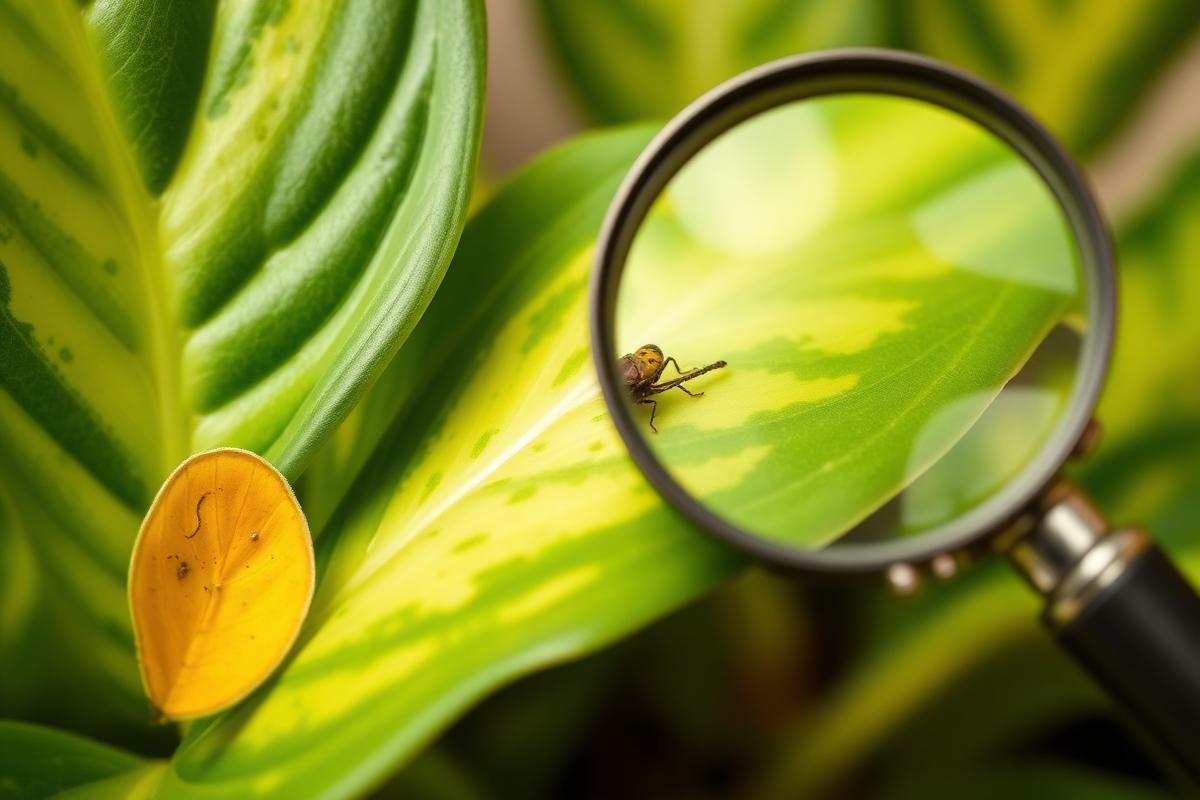
The Foundation of Plant Health: Environmental Factors
Before considering pests or diseases, always evaluate your plant's environment. The vast majority of indoor plant problems stem directly from suboptimal growing conditions. Factors such as light, watering frequency, humidity, temperature, and potting medium are interconnected and collectively determine your plant's resilience and vitality.
For instance, inconsistent watering, whether over or under, is a leading cause of stress. Overwatering deprives roots of oxygen, leading to root rot, while underwatering causes desiccation. Similarly, insufficient light can lead to leggy growth and pale foliage, whereas excessive, direct sun can scorch leaves. Always observe your plant's specific needs and aim to replicate its natural habitat as closely as possible within your home.
Temperature fluctuations and inadequate humidity are also major contributors to plant stress. Most tropical houseplants thrive in temperatures between 65-75°F (18-24°C) and appreciate humidity levels above 50%. Dry air can lead to crispy leaf edges or increased susceptibility to certain pests like spider mites. Understanding these fundamental environmental requirements forms the bedrock of preventive care and effective troubleshooting.
Decoding Symptoms: A Systematic Diagnostic Approach
Becoming a diagnostician for your plants requires keen observation and a systematic approach. Begin by examining the entire plant, from the roots (if possible) to the newest growth. Note the location, color, texture, and pattern of any abnormalities. Is the discoloration uniform or spotted? Is it affecting old leaves, new leaves, or both?
Yellowing leaves (chlorosis) are a common symptom with multiple causes. Uniform yellowing of older leaves might indicate nitrogen deficiency or simply natural senescence. If yellowing is accompanied by wilting and affects lower leaves first, overwatering or root issues are likely suspects. Yellowing with green veins often points to an iron or magnesium deficiency, which can be exacerbated by incorrect pH.
Brown or crispy leaf edges typically suggest low humidity, underwatering, or nutrient burn from excessive fertilization. Black spots or mushy stems are red flags for fungal or bacterial infections, often associated with high humidity and poor air circulation. By meticulously documenting these observations, you can narrow down the potential causes and formulate an appropriate response rather than applying a general, potentially harmful, treatment.
Identifying Common Indoor Plant Pests and Their Signatures
Pest infestations are a common, though often frustrating, challenge for indoor gardeners. Early detection is key to preventing a widespread problem. Regularly inspect the undersides of leaves, leaf axils, and new growth for any unusual movement or tiny specks. A magnifying glass can be an invaluable tool for this purpose.
Aphids are small, pear-shaped insects, typically green, black, or brown, that cluster on new growth, sucking sap and exuding sticky honeydew. Mealybugs appear as fuzzy, white, cotton-like masses, often found in leaf axils and along stems, also feeding on sap. Both can lead to distorted growth and weaken the plant substantially over time.
Spider mites are almost microscopic and often revealed by fine webbing on leaves and stems, accompanied by tiny stippling (pinprick-like damage) on the foliage. Thrips are slender, winged insects that cause silvery streaks and distorted growth. Fungus gnats, though mostly a nuisance, indicate consistently moist soil and their larvae can cause minor root damage. Correct identification is critical, as treatments for each pest vary significantly.
Integrated Pest Management (IPM): A Sustainable Approach
Integrated Pest Management (IPM) is a holistic and sustainable strategy for controlling pests, prioritizing prevention and combining various tactics. Begin with cultural controls: ensure proper light, watering, and air circulation to create an environment less hospitable to pests. Quarantining new plants for several weeks is a simple yet highly effective preventative measure.
Mechanical controls involve physically removing pests. For larger pests like mealybugs or aphids, a strong spray of water can dislodge them. For smaller numbers, a cotton swab dipped in rubbing alcohol can be used to wipe them directly. Pruning heavily infested leaves or stems also reduces pest populations without the need for chemical intervention.
Biological controls, while more common in outdoor gardening, can involve predatory mites for spider mite infestations. Finally, if necessary, chemical controls are employed judiciously. Opt for the least toxic options first, such as insecticidal soaps, neem oil, or horticultural oils. Always follow product instructions precisely and test on a small leaf area first to ensure no phytotoxicity. Systemic pesticides should be a last resort and used with extreme caution, especially on edible plants.
Crafting a Recovery Plan: Treatment and Rejuvenation
Once you've diagnosed the problem, implement your treatment plan promptly. For environmental issues, immediate adjustments are necessary. If it's overwatering, allow the soil to dry out significantly before the next watering, and consider repotting into fresh, well-draining soil if root rot is suspected. For underwatering, provide thorough hydration and adjust your watering schedule.
When dealing with pests, isolate the affected plant to prevent spread. Begin with the least invasive IPM strategies. For widespread infestations, you may need a multi-faceted approach, combining mechanical removal with targeted applications of insecticidal soap or neem oil. Repeat treatments are often necessary for several weeks to break the pest life cycle.
Post-treatment, focus on rejuvenating your plant. Provide optimal environmental conditions to support its recovery. Avoid immediate fertilization, as a stressed plant cannot efficiently use nutrients. Once the plant shows signs of new, healthy growth, you can resume a regular feeding schedule. Patience and consistent monitoring are crucial during this recovery phase, ensuring the plant regains its full vigor.
Key takeaways
- Early and accurate diagnosis is crucial for successful plant recovery.
- Distinguish between environmental stressors and pest infestations as root causes.
- Implement Integrated Pest Management (IPM) for sustainable pest control.
- Address environmental factors (light, water, humidity) as primary solutions.
- Proactive monitoring and consistent care prevent most common ailments.
- Understand specific symptoms to tailor appropriate treatment strategies.
Frequently asked questions
Why are my plant's leaves turning yellow?
Yellowing leaves can indicate overwatering, underwatering, nutrient deficiencies (especially nitrogen), insufficient light, or natural aging of older foliage. Examine the entire plant and its environment for clues.
How can I tell if my plant has spider mites?
Look for fine webbing on leaves and stems, tiny pinprick-like damage (stippling) on foliage, and nearly microscopic reddish-brown specks on the undersides of leaves. A magnifying glass helps confirm their presence.
What is the best way to treat mealybugs?
Isolate the plant. Manually remove them with a cotton swab dipped in rubbing alcohol. For larger infestations, spray the entire plant with insecticidal soap or a dilute neem oil solution. Repeat treatment every 7-10 days for several weeks.
My plant's leaves are crispy and brown. What's wrong?
Crispy, brown leaf edges or tips commonly indicate low humidity, underwatering, or sometimes nutrient burn from excessive fertilizer. Assess your humidity levels and watering consistency.
Should I fertilize a sick plant?
Generally, no. A stressed or sick plant cannot efficiently absorb or utilize nutrients, and adding fertilizer can exacerbate the problem, especially if the issue is already nutrient burn. Focus on resolving the underlying issue first.
How can I prevent pest infestations on my indoor plants?
Practicing good cultural care (proper light, water, humidity, circulation) is paramount. Regularly inspect your plants, especially new acquisitions (quarantine for 2-4 weeks), and immediately address any signs of pests using least-toxic methods.
Related articles
More in Troubleshooting & Pests →
Deciphering Indoor Plant Distress: Your Guide to Environmental Stress
Even the most diligent indoor gardeners occasionally encounter plants showing signs of distress. Often, the culprit isn't a pest or disease, but rather an imbalance in their environment. Understanding these subtle cues is paramount to nurturing a thriving indoor oasis.

When Your Houseplant Struggles: A Horticulturist's Guide to Integrated Pest & Disease Management
Is your beloved houseplant showing signs of distress? Learn to accurately identify common indoor plant pests, diseases, and environmental stressors, and implement effective, integrated management strategies for a thriving indoor garden.

Deciphering Indoor Plant Symptoms: A Horticulturist's Diagnostic Blueprint
Is your favorite houseplant showing signs of stress? From discolored leaves to stunted growth, understanding what your plants are trying to tell you is the first step toward successful intervention. This guide provides a systematic approach to diagnosing and treating common indoor plant problems.

Unmasking the Unseen: A Horticulturist's Guide to Subtle Indoor Plant Stressors
Often, your indoor plants communicate distress long before visible symptoms emerge. These subtle cues, if overlooked, can lead to severe health declines or pest infestations. Learning to interpret these early warning signs is paramount for proactive plant care and maintaining a thriving indoor garden.

Deciphering Distress: A Systematic Approach to Indoor Plant Ailments
When your cherished indoor plants begin to show signs of distress, pinpointing the exact cause can feel daunting. This guide provides a systematic, step-by-step methodology to accurately diagnose and effectively treat a wide array of indoor plant ailments, ensuring a thriving green environment.

Deciphering Fading Foliage: A Horticulturist's Guide to Yellow Leaves
Yellowing leaves are one of the most common and distressing sights for any indoor gardener. While seemingly simple, this symptom can point to a wide array of underlying issues, making accurate diagnosis crucial for effective treatment.