Cultivating Edible Oases: Your Guide to Productive Indoor Food Gardens
Imagine fresh, homegrown produce available year-round, right from your kitchen. Cultivating an indoor edible garden is not only possible but incredibly rewarding, offering a continuous supply of nutritious ingredients.
 By Dr. Elena Hartwood9 min read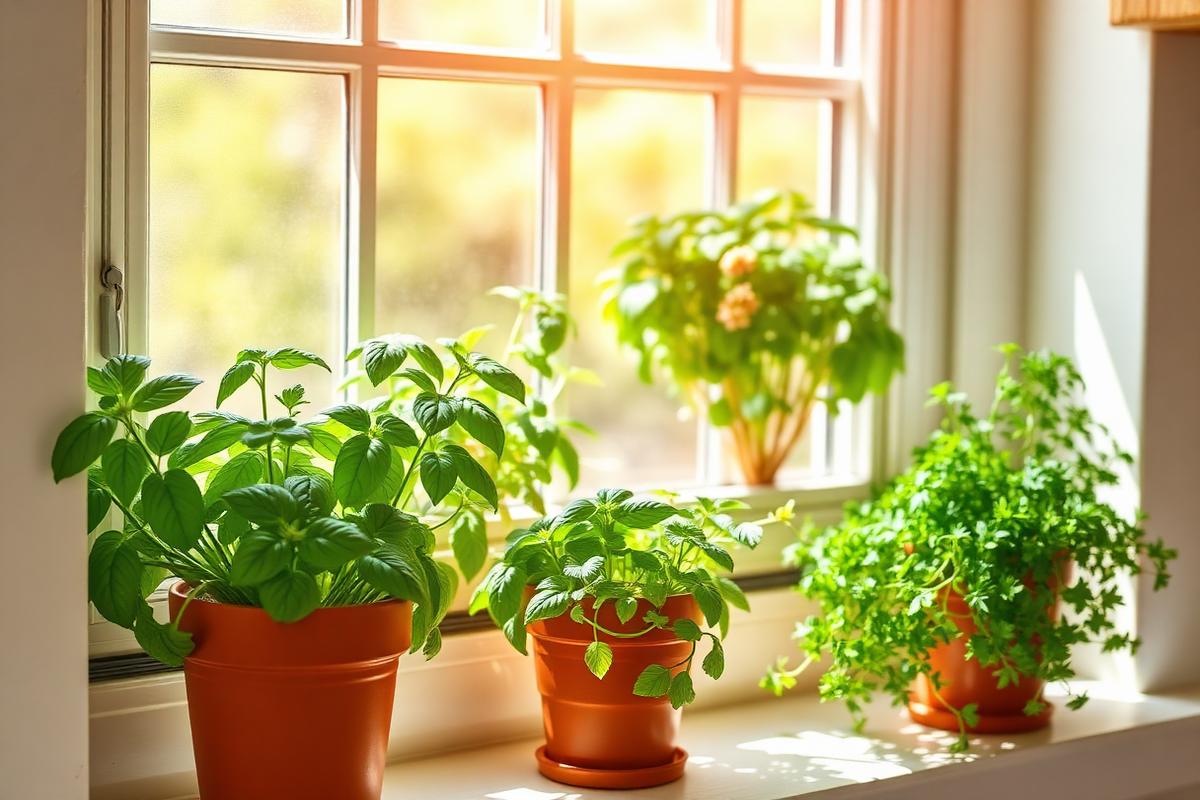
The Promise of an Indoor Edible Oasis: Why Grow Food Indoors?
The ability to grow your own food indoors offers a multitude of benefits that extend beyond mere convenience. It provides an unparalleled freshness, ensuring your ingredients are at their peak nutritional value and flavor when they reach your plate. This direct connection to your food source fosters a deeper appreciation for the effort involved in cultivation and can significantly reduce your grocery bill, particularly for expensive specialty herbs and greens.
Beyond the practical advantages, indoor edible gardening contributes to a more sustainable lifestyle. It minimizes the carbon footprint associated with transportation and packaging, and allows for greater control over growing conditions, often eliminating the need for synthetic pesticides or herbicides. For urban dwellers or those with limited outdoor space, it transforms often-underutilized areas into productive, green havens, improving indoor air quality and adding a touch of natural beauty to your living environment.
Cultivating plants indoors also offers a unique therapeutic benefit. The act of nurturing plants, observing their growth, and ultimately harvesting their bounty can be a deeply calming and rewarding experience. It connects us to natural cycles, providing a sense of accomplishment and a continuous learning opportunity. Embracing indoor edible gardening means embracing a healthier, more self-sufficient, and enriching lifestyle, regardless of the season or external climate.
Foundation First: Assessing Your Space and Choosing the Right Crops
Before embarking on your indoor edible gardening journey, it is crucial to assess your available space and the environmental conditions it offers. Consider the amount of natural light your chosen location receives throughout the day, as this is often the most limiting factor. South-facing windows typically offer the most direct sun exposure, while east and west-facing windows provide moderate light. North-facing windows are generally insufficient for most edibles without supplemental lighting.
Your space dictates the scale and type of plants you can successfully grow. A sunny windowsill might be perfect for a small herb garden or microgreens, whereas a dedicated shelving unit with grow lights opens possibilities for leafy greens, chilies, or even dwarf fruit trees. Measure your available vertical and horizontal space to determine what setup will fit optimally. Factor in access for watering, harvesting, and maintenance.
Once you understand your spatial and light limitations, select crops that align with these conditions and your culinary preferences. High-light plants like tomatoes, peppers, and dwarf citrus require intense, prolonged illumination. Medium-light plants such as basil, mint, and most leafy greens are more forgiving, while low-light options are truly limited. Choose varieties specifically bred for compact growth and indoor cultivation to maximize your success and yield within confined spaces.
Illumination and Irrigation: The Pillars of Indoor Productivity
Adequate lighting is paramount for productive indoor edible gardens. Natural light alone, even from a bright window, is often insufficient during shorter days or for light-demanding plants. Investing in full-spectrum LED grow lights is highly recommended. These lights provide the specific wavelengths plants need for photosynthesis and can significantly boost growth and yield. Position them appropriately, typically 6 to 18 inches above the plant canopy, adjusting as plants grow.
Watering is another critical element, requiring careful attention indoors. Unlike outdoor gardens, indoor plants are entirely dependent on you for moisture. Overwatering is a common pitfall, leading to root rot and other issues. Always check the moisture level of the growing medium before watering; insert your finger about an inch deep – if it feels dry, it's time to water. Utilize pots with drainage holes to prevent waterlogging, and ensure excess water can escape.
Consider your watering method based on your setup. Top watering is common for soil-based systems, while wicking mats or self-watering planters can provide consistent moisture with less frequent intervention. For hydroponic systems, maintaining the reservoir's water level and nutrient solution concentration is key. Consistent, appropriate watering, combined with optimal lighting, creates the fundamental conditions for your edible plants to thrive and produce abundantly.
Growing Media and Nutrient Management: Fueling Your Indoor Harvest
The choice of growing medium significantly impacts root health and plant vigor. For traditional container gardening, a high-quality, well-draining potting mix is essential. Look for mixes formulated for edibles, often containing peat moss, coir, perlite, and compost. Avoid heavy garden soil, which compacts easily and can introduce pests indoors. Ensure your chosen medium provides good aeration to prevent root suffocation.
For soilless systems like hydroponics or aeroponics, inert media such as rockwool, coco coir, perlite, or clay pebbles provide physical support and aeration. These media do not offer nutrients, which means you must supply them directly through a carefully balanced hydroponic nutrient solution. This precise nutrient delivery can often lead to faster growth and higher yields compared to soil-based methods.
Nutrient management is crucial for all indoor edibles. In soil, plants draw nutrients from the potting mix, which eventually becomes depleted. Supplement with a balanced liquid fertilizer formulated for edibles, following the manufacturer's instructions carefully. Hydroponic systems require specific multi-part nutrient solutions tailored to the growth stage of your plants (vegetative vs. flowering/fruiting). Monitor pH levels, especially in hydroponics, to ensure nutrient availability. Proper nutrition translates directly to robust growth and flavorful harvests.
Continuous Bounty: Harvest-and-Come-Again Strategies
Maximizing yield from your indoor edible garden involves implementing 'harvest-and-come-again' techniques. This strategy focuses on harvesting portions of the plant in a way that encourages further growth rather than removing the entire plant. For leafy greens like lettuce, spinach, and Swiss chard, harvest the outer leaves first, allowing the inner, younger leaves to continue developing. This provides a steady supply without replanting.
Herbs such as basil, mint, and oregano greatly benefit from regular pruning. Pinch or snip off the top few sets of leaves, just above a leaf node. This action stimulates the plant to branch out, creating a bushier, more productive plant instead of a tall, leggy one that will eventually flower and cease leaf production. Consistent harvesting also prevents plants from bolting (going to seed prematurely), extending their productive lifespan.
Even fruiting plants like dwarf chilies or certain determinate tomatoes can offer multiple harvests. Pick fruits as they ripen, which signals the plant to produce more. Understand the growth habit of each specific plant you are cultivating and tailor your harvesting approach accordingly. This continuous harvesting strategy is key to enjoying a sustained bounty from your indoor garden for weeks or even months on end.
Troubleshooting and Advanced Techniques for Optimal Yields
Even with careful planning, indoor edible gardens can present challenges. Yellowing leaves might indicate nutrient deficiencies, overwatering, or insufficient light. Stunted growth can point to inadequate lighting or improper nutrient levels. Regularly inspect your plants for signs of pests like spider mites or aphids, which can quickly multiply indoors. Early detection and natural remedies, such as neem oil or insecticidal soap, are crucial for effective management.
For those looking to elevate their indoor gardening game, consider advanced techniques. Hydroponics and aeroponics offer precise control over nutrient delivery and can significantly accelerate growth, often resulting in higher yields compared to soil. Vertical gardening systems utilize space efficiently, allowing you to grow more plants in a smaller footprint. Automation, through timers for lights and pumps, can simplify daily maintenance.
Continually observe your plants and adapt your practices. Maintain a gardening journal to record planting dates, harvest yields, and any issues encountered – this data is invaluable for future success. Experiment with different varieties and methods to discover what works best in your unique indoor environment. With dedication and continuous learning, your indoor edible garden will become a consistently productive and fulfilling source of fresh, homegrown food.
Key takeaways
- Choose crops suited to your indoor conditions and available space.
- Optimize light, water, and nutrients for maximum productivity.
- Implement 'harvest-and-come-again' strategies for continuous yields.
- Start with simple setups like herbs and microgreens, then expand.
- Select appropriate growing media for robust plant health.
- Understand environmental controls for successful long-term cultivation.
Frequently asked questions
What are the easiest edible plants to grow indoors for beginners?
Basil, mint, chives, lettuce, spinach, and radish microgreens are excellent choices for beginners due to their relatively quick growth and tolerance to varied indoor conditions.
How much light do indoor edible plants need?
Most edible plants require at least 12-16 hours of bright, full-spectrum light daily. Natural window light is often insufficient, necessitating supplemental LED grow lights for optimal growth.
Can I grow dwarf fruit trees indoors?
Yes, specific dwarf citrus varieties like 'Meyer' lemons or 'Calamondin' oranges can be grown indoors with sufficient light (ideally a powerful grow light), appropriate pot size, and consistent care, including pollination assistance.
What is the best type of grow light for indoor edibles?
Full-spectrum LED grow lights are generally recommended. They are energy-efficient, produce less heat, and provide the broad light spectrum necessary for photosynthesis in edible plants.
How do I prevent pests in my indoor edible garden?
Prevention is key: inspect new plants, use sterilized potting mix, maintain good air circulation, and avoid overwatering. If pests appear, use organic solutions like neem oil or insecticidal soap, and isolate affected plants.
What is 'harvest-and-come-again' strategy?
This strategy involves selectively harvesting only parts of a plant, such as outer leaves or ripe fruits, to encourage continuous growth and prolonged production from the same plant, rather than harvesting it whole.
Related articles
More in Edible Indoor Gardens →
Optimizing Water Quality: The Unsung Hero of Indoor Edible Gardens
Often overlooked, the water you provide your indoor edible plants is a foundational element for their health and productivity. Understanding its composition and making necessary adjustments can dramatically elevate your gardening success.

Cultivating Microgreens and Dwarf Fruit: Maximizing Indoor Edible Space
Transform small indoor spaces into prolific edible gardens by mastering the art of cultivating nutrient-dense microgreens and space-saving dwarf fruit trees. Discover how to achieve impressive yields and consistent fresh produce right from your home.

Mastering Soil-Based Indoor Edibles: Cultivating Bountiful Harvests Naturally
While hydroponics garners significant attention in indoor edible gardening, the timeless method of growing in soil offers unparalleled stability, natural nutrient cycling, and robust plant health. Discover how to create a thriving, productive soil-based indoor garden right in your home.

Unlocking Your Indoor Garden's Potential: Precision Growing for Bountiful Edibles
Cultivating edibles indoors offers a rewarding pathway to fresh, nutritious produce year-round. This guide will walk you through the precise horticultural strategies necessary to turn your indoor space into a thriving, productive food garden.

Optimizing Indoor Harvests: Mastering Environmental Control for Edibles
Achieving consistent, high-yield harvests from your indoor edible garden goes beyond basic care; it demands a precise understanding and control of your plant's environment. This guide delves into optimizing crucial environmental factors to transform your indoor growing space.

Optimizing Nutrient Delivery for Your Indoor Edible Garden: A Horticulturist's Guide
Unlocking the full potential of your indoor edible garden hinges on effective nutrient delivery. This comprehensive guide from Dr. Elena Hartwood will empower you to provide precisely what your plants need to thrive and produce bountiful harvests.