Cultivating Edible Havens: High-Yield Indoor Food Gardens
Imagine stepping into your kitchen and plucking fresh, vibrant ingredients directly from your own indoor garden. This guide equips you with the knowledge to establish and maintain a bountiful edible haven, providing fresh flavors and a connection to your food source year-round.
 By Dr. Elena Hartwood12 min read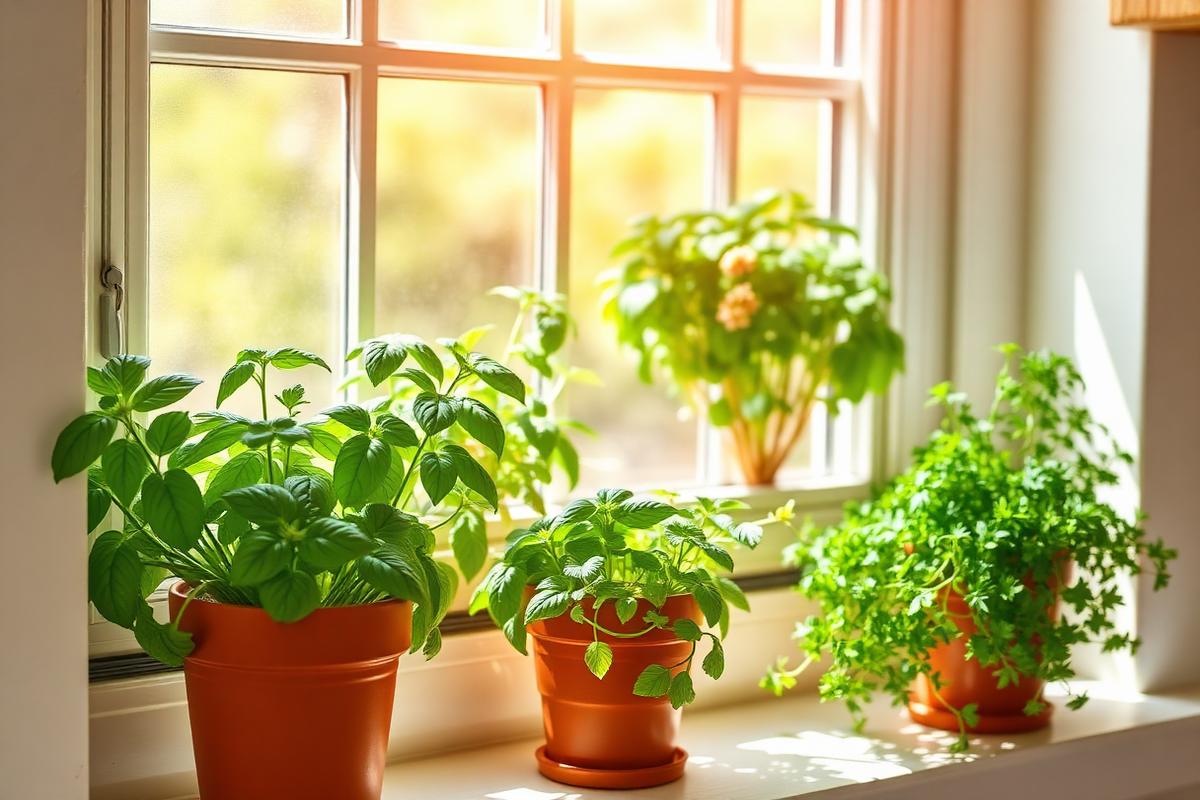
The Foundation: Understanding Your Indoor Environment
Before selecting your first seed, a thorough assessment of your indoor environment is paramount. Light is arguably the most critical factor; consider the amount of natural sunlight your space receives throughout the day and across seasons. South-facing windows offer the most intense light, while east or west-facing windows provide moderate exposure. North-facing windows typically lack the intensity needed for most edible plants without supplemental lighting.
Beyond light, temperature and humidity play significant roles. Most edible plants thrive in temperatures between 65-75°F (18-24°C) with moderate humidity levels, ideally 45-65%. Extreme fluctuations can stress plants, leading to reduced yields or susceptibility to disease. Understanding these baseline conditions allows you to make informed decisions about plant selection and the necessary environmental controls, such as grow lights, humidifiers, or small fans for air circulation.
Air circulation, often overlooked, is vital for preventing fungal diseases and strengthening plant stems. Stagnant air creates an ideal breeding ground for pathogens. A small oscillating fan, set to gently move the air around your plants for a few hours a day, can make a substantial difference. Furthermore, consider the available vertical and horizontal space; this dictates the size and type of growing systems you can implement, from compact countertop setups to multi-tiered shelving units.
Strategic Plant Selection for Continuous Yields
Choosing the right plants is the cornerstone of a high-yield indoor edible garden. Focus on varieties known for their compact growth habit, rapid maturity, and capacity for 'cut-and-come-again' harvesting. Herbs like basil, mint, oregano, and chives are excellent choices, offering frequent clippings. Leafy greens such as lettuce (loose-leaf varieties), spinach, arugula, and Swiss chard also lend themselves well to continuous harvesting, rejuvenating quickly after cuts.
Beyond common herbs and greens, consider nutrient-dense microgreens, which incredibly rapid growth cycles provide a harvest in as little as 7-14 days. Varieties like radish, broccoli, and mustard microgreens are packed with flavor and nutrition. For those with more space or a desire for a greater challenge, dwarf varieties of fruiting plants, such as miniature bell peppers, cherry tomatoes, or even small citrus trees like Meyer lemons or Kaffir limes, can be incredibly rewarding.
When selecting seeds or young plants, always prioritize those specifically bred for container growing or compact spaces. Read descriptions carefully for indicators like 'dwarf,' 'bush,' or 'patio variety.' Reseeding or replanting in succession is also a critical strategy. By staggering your plantings every few weeks, you ensure a continuous supply of fresh produce, avoiding periods of scarcity after a large harvest.
Mastering Light and Nutrients: The Fuel for Bountiful Growth
Adequate lighting is non-negotiable for productive indoor edible gardens. If natural light is insufficient, invest in quality LED grow lights. Look for full-spectrum lights that mimic natural sunlight and have a Photosynthetic Photon Flux Density (PPFD) suitable for your chosen plants. Position lights correctly, typically 6-18 inches above the plant canopy, adjusting as plants grow to maintain optimal distance. A timer is essential to provide a consistent daily photoperiod, typically 12-16 hours for most edibles.
Nutrient delivery is equally crucial, particularly in soilless systems like hydroponics or when using inert growing media. For soil-based systems, a balanced organic liquid fertilizer, applied according to manufacturer instructions, is usually sufficient. In hydroponic setups, a carefully balanced hydroponic nutrient solution specifically formulated for leafy greens or fruiting plants provides all essential macronutrients and micronutrients directly to the roots.
Regular monitoring of nutrient levels (using an EC/TDS meter for hydroponics) and pH (using a pH meter or test kit) is vital. Most edible plants prefer a slightly acidic to neutral pH range, typically between 5.5 and 6.5. Adjusting pH if necessary will ensure nutrients remain bioavailable to the plants, preventing deficiencies and promoting robust growth.
Cultivating Strategies: Harvest-and-Come-Again Methods
The 'cut-and-come-again' method is fundamental for maximizing yields from indoor edible plants. For leafy greens like lettuce or spinach, harvest the outer leaves first, allowing the central growing point to continue producing new foliage. This technique ensures a sustained harvest over several weeks or even months from a single plant. Always use sharp scissors or a knife to make clean cuts, minimizing stress to the plant and promoting quick regrowth.
Herbs like basil and mint thrive on regular pruning. Instead of just picking individual leaves, pinch back the stem just above a set of leaves or a node. This encourages the plant to branch outwards, creating a bushier, more productive plant. Regular harvesting also prevents herbs from flowering prematurely, which can diminish leaf production and alter flavor. Aim to harvest about 25-50% of the plant's foliage at any given time.
For microgreens, a single harvest is typical. Once the first true leaves appear, often 7-14 days after seeding, snip them just above the soil line. While some microgreen varieties might offer a second, smaller flush, their primary value lies in their rapid initial growth. When growing fruiting plants indoors, techniques like judicious pruning to manage plant size and encourage fruit production, along with manual pollination for certain species, will be necessary to achieve decent yields.
Maintenance and Troubleshooting for Sustained Abundance
Consistent daily observation is your best tool for maintaining a thriving indoor garden. Check your plants for signs of pest infestations, such as tiny webs, sticky residue, or distorted growth. Early detection allows for immediate, often organic, intervention with horticultural oils or insecticidal soaps before populations become unmanageable. Regularly inspect the undersides of leaves and monitor for any unusual spots or discoloration, which could indicate fungal issues or nutrient deficiencies.
Regular watering is paramount, but avoid overwatering, which can lead to root rot. Feel the growing medium; if the top inch feels dry, it's likely time to water. In hydroponic systems, monitor the water level and nutrient solution concentration diligently. Fluctuation in temperature, humidity, or light spectrum can influence water uptake, necessitating adjustments to your watering schedule.
Consider rotating your crops if growing in soil, especially after several cycles, to prevent nutrient depletion and disease buildup. replenishing growing media or refreshing nutrient solutions on a regular schedule is vital. For plants that have been consistently harvested for months, replanting with new starts is often the most efficient way to maintain productivity and vigor, ensuring a truly continuous supply of fresh, homegrown edibles.
Key takeaways
- Strategic plant selection is crucial for high yields in limited indoor space.
- Optimize lighting (natural or artificial) and provide consistent nutrient delivery.
- Implement 'cut-and-come-again' methods for sustained harvests of leafy greens and herbs.
- Regular monitoring for pests and environmental adjustments ensures plant health.
- Even small spaces can produce significant amounts of fresh, organic produce.
Frequently asked questions
What are the best herbs for a continuous indoor harvest?
Basil, mint, oregano, chives, thyme, and parsley are excellent choices due to their 'cut-and-come-again' growth habit.
How much light do indoor edible plants need?
Most indoor edible plants require 12-16 hours of bright, full-spectrum light daily. If natural light is insufficient, supplemental LED grow lights are necessary.
Can I grow vegetables indoors without soil?
Yes, many vegetables, especially leafy greens and herbs, thrive in soilless hydroponic systems such as NFT, DWC, or wick systems, providing efficient nutrient delivery.
How do I prevent pests in my indoor edible garden?
Regular inspection, good air circulation, proper watering, and maintaining optimal humidity levels are key. Introduce beneficial insects or use organic insecticidal soaps if necessary.
What is the 'cut-and-come-again' harvesting method?
This method involves harvesting only the outer leaves or upper stems of plants, allowing the rest of the plant to continue growing and producing new foliage for subsequent harvests.
Are dwarf fruit trees productive indoors?
Dwarf citrus trees (e.g., Meyer lemon, Kaffir lime) and miniature pepper or tomato varieties can be productive indoors with adequate light, proper pollination, and consistent care.
Related articles
More in Edible Indoor Gardens →
Optimizing Water Quality: The Unsung Hero of Indoor Edible Gardens
Often overlooked, the water you provide your indoor edible plants is a foundational element for their health and productivity. Understanding its composition and making necessary adjustments can dramatically elevate your gardening success.

Cultivating Microgreens and Dwarf Fruit: Maximizing Indoor Edible Space
Transform small indoor spaces into prolific edible gardens by mastering the art of cultivating nutrient-dense microgreens and space-saving dwarf fruit trees. Discover how to achieve impressive yields and consistent fresh produce right from your home.

Mastering Soil-Based Indoor Edibles: Cultivating Bountiful Harvests Naturally
While hydroponics garners significant attention in indoor edible gardening, the timeless method of growing in soil offers unparalleled stability, natural nutrient cycling, and robust plant health. Discover how to create a thriving, productive soil-based indoor garden right in your home.

Unlocking Your Indoor Garden's Potential: Precision Growing for Bountiful Edibles
Cultivating edibles indoors offers a rewarding pathway to fresh, nutritious produce year-round. This guide will walk you through the precise horticultural strategies necessary to turn your indoor space into a thriving, productive food garden.

Optimizing Indoor Harvests: Mastering Environmental Control for Edibles
Achieving consistent, high-yield harvests from your indoor edible garden goes beyond basic care; it demands a precise understanding and control of your plant's environment. This guide delves into optimizing crucial environmental factors to transform your indoor growing space.

Optimizing Nutrient Delivery for Your Indoor Edible Garden: A Horticulturist's Guide
Unlocking the full potential of your indoor edible garden hinges on effective nutrient delivery. This comprehensive guide from Dr. Elena Hartwood will empower you to provide precisely what your plants need to thrive and produce bountiful harvests.