Cultivating Continuous Kitchen Abundance: A Guide to Indoor Edible Gardens
Imagine stepping into your kitchen and plucking fresh, vibrant ingredients directly from a thriving indoor garden, regardless of the season outside. Cultivating edible plants indoors is not just a hobby; it's a pathway to culinary independence and a continuous source of fresh, flavorful produce for your table.
 By Dr. Elena Hartwood9 min read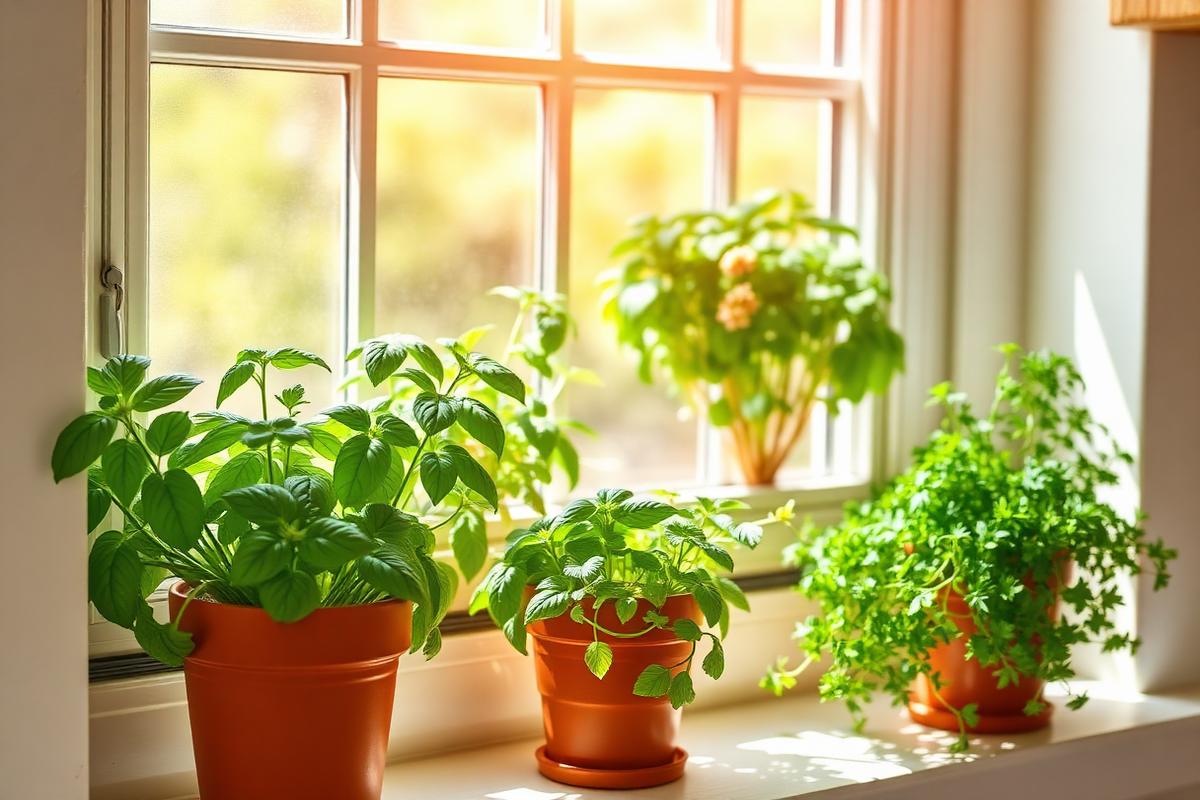
The Promise of an Indoor Edible Garden: Why Grow Your Own?
Embarking on the journey of cultivating an indoor edible garden offers a myriad of benefits far beyond mere aesthetics. In an age where food origins can be obscure and freshness often fleeting, growing your own produce provides unparalleled control over what lands on your plate. You eliminate concerns about pesticides, herbicides, and long-distance transportation, ensuring your ingredients are as pure and nutrient-dense as possible. This direct connection to your food source fosters a deeper appreciation for the culinary process and promotes healthier eating habits.
Beyond the tangible benefits of fresh, organic produce, indoor edible gardening serves as a profound connection to nature, even for those living in urban environments. It offers a soothing, meditative practice, reducing stress and enhancing overall well-being. The act of nurturing a seed into a thriving plant, watching it flourish, and finally harvesting its bounty is deeply satisfying. Furthermore, an indoor garden can significantly reduce your grocery bill, particularly for expensive organic herbs and specialty greens, proving both environmentally sound and economically sensible.
Seasonal limitations simply cease to exist when you bring your garden indoors. With the right setup, you can enjoy summer's bounty in the dead of winter or cultivate exotic flavors that wouldn't typically thrive in your climate zone. This year-round access to fresh ingredients empowers culinary creativity, allowing you to experiment with new recipes and enhance everyday meals with vibrant flavors. It transforms your kitchen into a dynamic, living pantry, always ready to lend its fresh contributions.
Essential Foundations: Light, Water, and Air for Thriving Edibles
The cornerstone of any successful indoor edible garden lies in mastering its environmental triumvirate: light, water, and air. Light is arguably the most critical factor, as edible plants, particularly fruiting varieties, demand significant photon energy for photosynthesis. While a bright, south-facing window can suffice for some leafy greens and herbs, dedicated grow lights are often indispensable for robust growth and higher yields. Understanding a plant's specific Daily Light Integral (DLI) and providing it consistently will dictate the success of your harvest.
Watering, while seemingly straightforward, requires a nuanced approach indoors. Overwatering is a more common killer than underwatering, leading to root rot and fungal issues. Assess the moisture level of your growing medium regularly by feeling it an inch or two below the surface. Factors such as plant size, pot material, ambient humidity, and temperature all influence watering frequency. For soilless systems, maintaining the correct nutrient solution level and consistency is paramount, requiring regular monitoring and replenishment.
Adequate air circulation is often overlooked but profoundly impacts plant health and productivity. Stagnant air creates an ideal breeding ground for pests and fungal diseases, inhibits transpiration, and can lead to weak stems. A small oscillating fan can work wonders, gently moving air around your plants. This helps strengthen stems, discourages mold growth, and ensures an even distribution of carbon dioxide, which is vital for efficient photosynthesis. Aim for gentle air movement, not a constant blast, to avoid drying out your plants excessively.
Selecting Your Stars: Top Edibles for Indoor Cultivation
Choosing the right plants for your indoor edible garden is a strategic decision, balancing your culinary preferences with the realities of your growing environment. Herbs are an excellent starting point for beginners due to their relatively compact size and lower light requirements compared to fruiting plants. Basil, mint, parsley, cilantro, chives, and oregano thrive indoors when given adequate light and consistent moisture. These provide a continuous supply of fresh flavor for your cooking.
Leafy greens offer quick gratification and high yield in small spaces. Varieties like lettuce (especially loose-leaf types), spinach, arugula, kale, and Swiss chard are prime candidates. Many can be harvested using a 'cut-and-come-again' method, allowing you to continuously snip outer leaves without damaging the plant's core, ensuring a prolonged harvest. Microgreens, though a distinct category, provide an even faster turnaround, ready for harvest in as little as 7-14 days.
For those with more substantial setups, dwarf fruiting plants can transform your indoor garden into a truly productive space. Dwarf citrus varieties, such as Meyer lemons or calamondin oranges, offer fragrant blooms and edible fruit, though they demand significant light and consistent care. Miniature determinate tomatoes, dwarf peppers, and even some compact strawberry varieties can also thrive indoors with sufficient light and consistent pollination, which may require manual assistance.
Consider root vegetables like radishes, scallions (from scraps), and miniature carrots for even more variety. Asian greens such as bok choy or tatsoi also perform exceptionally well indoors. Always select compact or dwarf varieties bred for container growing, and research their specific light, temperature, and humidity needs to ensure compatibility with your indoor conditions.
Harvest & Replenish: Strategies for Continuous Yields
The art of continuous harvesting is central to the success of a productive indoor edible garden, ensuring a steady supply of fresh ingredients. For most leafy greens and herbs, the 'cut-and-come-again' method is your best friend. This involves harvesting only the outer or mature leaves, leaving the plant's central growth point intact to encourage further production. For herbs like basil or mint, pinch just above a leaf node to promote bushier growth rather than leggy stems.
Timing is paramount in harvesting. For herbs, harvest before flowering to maintain optimal flavor, as energy shifts from leaf production to seed formation. For leafy greens, harvest when leaves are young and tender for the best taste and texture. Regular harvesting not only provides you with fresh produce but also signals to the plant to produce more, stimulating continuous growth and preventing bolting, a premature flowering that often makes greens bitter.
Beyond harvesting techniques, a strategic replenishment cycle ensures uninterrupted production. When a plant begins to decline or reach the end of its productive lifecycle, have a replacement ready. This could involve staggering seed starting, so you always have young plants prepared to fill the void. For microgreens, simply re-sow new trays as soon as one batch is harvested. Planning this succession planting is key to avoiding gaps in your fresh supply and maximizing the efficiency of your growing space.
Proper nutrient management is also critical for consistent yields. As plants grow and are harvested, they continually draw nutrients from their medium. Regular feeding with a balanced liquid fertilizer, or refreshing your hydroponic nutrient solution, is essential to support ongoing growth and ensure the production of flavorful, nutrient-dense produce. Pay close attention to signs of nutrient deficiency, such as yellowing leaves or stunted growth, and adjust your feeding regimen accordingly.
Hydroponics and Beyond: Maximizing Space and Efficiency
While traditional soil-based methods are effective, venturing into soilless culture, particularly hydroponics, can significantly enhance the productivity and efficiency of your indoor edible garden. Hydroponic systems deliver nutrient-rich water directly to plant roots, leading to faster growth rates, higher yields, and often a more efficient use of water compared to soil. Simple systems like Deep Water Culture (DWC) or a basic ebb and flow setup are accessible to beginners and require minimal equipment.
Microgreen trays represent another highly efficient use of space and time. These offer a rapid turnaround for nutrient-dense, flavorful greens that are perfect for garnishes, salads, and smoothies. They require minimal depth for their growing medium and can be stacked, allowing for immense production in a very small footprint. Experiment with different seed varieties like broccoli, radish, or sunflower for a diverse culinary palette.
Vertical gardening structures are excellent for maximizing limited floor space. Multi-tiered shelving units with integrated grow lights allow you to grow several layers of plants simultaneously, turning a single square foot of floor space into a small farm. Wall-mounted planters or pocket systems fitted with small grow lights can also transform unused vertical areas into productive growing zones, ideal for herbs and small leafy greens.
Consider integrating automation where feasible. Timers for grow lights simplify your daily routine and ensure consistent light cycles. Small pumps for hydroponic systems can be put on timers to ensure regular nutrient delivery. While not strictly necessary, these tools can free up your time and often lead to more consistent growing conditions, mimicking the precision of professional growers on a smaller scale.
Mitigating Challenges: Pests, Diseases, and Environmental Control
Indoor environments, while controlled, are not immune to horticultural challenges. Pests and diseases, once introduced, can quickly spread without natural predators to keep them in check. Vigilance is your primary defense. Regularly inspect the undersides of leaves, stems, and growing media for any signs of trouble, such as tiny insects, discoloration, or unusual growths. Early detection is critical for effective management.
Should pests appear, start with non-toxic solutions. A strong spray of water can dislodge small infestations of aphids or spider mites. Neem oil, an organic pesticide, can be highly effective when applied consistently. For fungal issues, ensuring adequate air circulation and avoiding overwatering are often the best preventative measures. Isolate affected plants immediately to prevent the spread to their neighbors.
Environmental control goes beyond light and water. Maintaining stable temperature and humidity levels is vital for plant health. Most edible plants thrive in temperatures between 65-75°F (18-24°C) with moderate humidity (around 40-60%). Extreme fluctuations can stress plants, making them more susceptible to pests and diseases or hindering their growth. Hygrometers and thermometers can help you monitor these conditions.
Sterilization of tools and containers between uses minimizes disease transmission. Using fresh, sterilized growing media for each planting cycle, particularly in soil-based systems, reduces pathogens. While an indoor garden offers many advantages, it also demands a proactive approach to maintenance and problem-solving. By understanding common issues and implementing preventative strategies, you can cultivate a healthy, productive edible oasis within your home.
Key takeaways
- Strategic plant selection is paramount for successful indoor edible gardens.
- Understanding and providing adequate light (natural or artificial) is critical for yield.
- Consistent watering and nutrient supply are key to plant vigor and productivity.
- Regular harvesting stimulates growth and ensures a continuous supply.
- Consider basic hydroponics for accelerated growth and enhanced yields.
- Monitoring for pests and diseases is crucial in closed indoor environments.
Frequently asked questions
What are the easiest edible plants to grow indoors for beginners?
Basil, mint, chives, lettuce, spinach, and radish microgreens are excellent choices for beginners due to their relatively quick growth and forgiving nature.
Do I need special lights to grow food indoors?
While some herbs and leafy greens can tolerate bright windows, dedicated LED grow lights are highly recommended for robust growth and higher yields, especially for fruiting plants or if natural light is insufficient.
How often should I water my indoor edible plants?
Water when the top inch or two of soil feels dry to the touch. This can vary from every few days to once a week depending on the plant type, pot size, temperature, and humidity. Hydroponic systems require different monitoring.
What is 'cut-and-come-again' harvesting?
It's a harvesting method where you only snip off the outer or mature leaves of a plant, leaving the central growing point intact. This encourages the plant to produce more leaves, allowing for continuous harvests over time.
Can I grow dwarf citrus indoors?
Yes, dwarf citrus varieties like Meyer lemons or calamondin oranges can be grown indoors with significant bright light (often requiring supplemental grow lights), stable temperatures, and proper fertilization and pollination.
How do I prevent pests in my indoor edible garden?
Preventative measures include inspecting new plants, maintaining good air circulation, avoiding overwatering, and regularly checking leaves for early signs of pests. If pests appear, use non-toxic solutions like neem oil or insecticidal soap immediately.
Related articles
More in Edible Indoor Gardens →
Optimizing Water Quality: The Unsung Hero of Indoor Edible Gardens
Often overlooked, the water you provide your indoor edible plants is a foundational element for their health and productivity. Understanding its composition and making necessary adjustments can dramatically elevate your gardening success.

Cultivating Microgreens and Dwarf Fruit: Maximizing Indoor Edible Space
Transform small indoor spaces into prolific edible gardens by mastering the art of cultivating nutrient-dense microgreens and space-saving dwarf fruit trees. Discover how to achieve impressive yields and consistent fresh produce right from your home.

Mastering Soil-Based Indoor Edibles: Cultivating Bountiful Harvests Naturally
While hydroponics garners significant attention in indoor edible gardening, the timeless method of growing in soil offers unparalleled stability, natural nutrient cycling, and robust plant health. Discover how to create a thriving, productive soil-based indoor garden right in your home.

Unlocking Your Indoor Garden's Potential: Precision Growing for Bountiful Edibles
Cultivating edibles indoors offers a rewarding pathway to fresh, nutritious produce year-round. This guide will walk you through the precise horticultural strategies necessary to turn your indoor space into a thriving, productive food garden.

Optimizing Indoor Harvests: Mastering Environmental Control for Edibles
Achieving consistent, high-yield harvests from your indoor edible garden goes beyond basic care; it demands a precise understanding and control of your plant's environment. This guide delves into optimizing crucial environmental factors to transform your indoor growing space.

Optimizing Nutrient Delivery for Your Indoor Edible Garden: A Horticulturist's Guide
Unlocking the full potential of your indoor edible garden hinges on effective nutrient delivery. This comprehensive guide from Dr. Elena Hartwood will empower you to provide precisely what your plants need to thrive and produce bountiful harvests.